Are Hot Springs Safe? Benefits, Risks & Safety Tips

Hot springs have attracted travelers, healers, and nature lovers for thousands of years. From the volcanic pools of Iceland to the mineral-rich basins of the American West, these geothermal wonders offer an experience unlike anything else in the natural world. But before you step in, it’s worth asking: are hot springs safe?
The answer is nuanced. Hot springs can be perfectly safe and genuinely therapeutic when you know what you’re doing. They can also be extremely dangerous when approached carelessly. This guide covers everything you need to know to soak smart, stay protected, and make the most of your hot spring experience.
What Makes Hot Springs Hot?
Hot springs form through geothermal activity beneath the Earth’s surface. Rainwater and snowmelt seep deep underground, where they are superheated by magma or hot rocks. That heated water then rises back toward the surface, picking up dissolved minerals along the way before pooling on the surface as a hot spring.
In volcanic regions like Yellowstone National Park which contains more than 10,000 geothermal features, including over 500 geysers — magma sits unusually close to the surface, superheating groundwater to extreme temperatures. The result is water that can far exceed the boiling point before it ever reaches the surface pool you see.
This geological origin is precisely why temperatures vary so wildly from spring to spring, and why you should never assume a spring is safe based on appearance alone.
The Health Benefits of Soaking in Hot Springs
People have soaked in thermal waters for millennia, and modern research is beginning to confirm what ancient cultures believed: there are real benefits to hot water immersion, especially in mineral-rich springs. Here is what the evidence suggests:
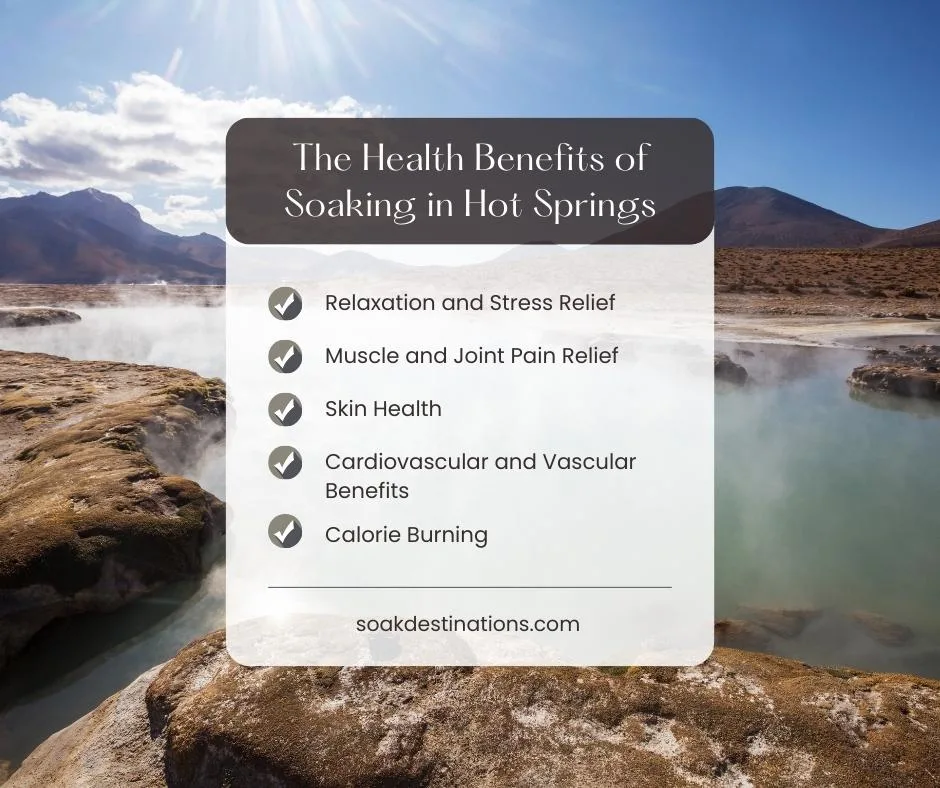
Relaxation and Stress Relief
Warm water immersion activates the parasympathetic nervous system, slowing your heart rate and easing muscle tension. The serene natural settings that typically surround hot springs add a layer of mental calm that goes beyond what a standard hot tub can offer.
Muscle and Joint Pain Relief
The heat increases blood flow to muscles and joints, temporarily reducing soreness and stiffness. This makes hot springs particularly popular among hikers, athletes, and those managing chronic pain conditions. If you’ve just finished a long backcountry hike, a soak at one of the destinations listed on Soak Destinations can be a genuinely restorative experience.
Skin Health
A 2019 literature review found that mineral-rich thermal waters may help reduce symptoms of skin conditions such as psoriasis and dermatitis. The sulfur, magnesium, calcium, and silica found in many hot springs are thought to support skin hydration and healing.
Cardiovascular and Vascular Benefits
Research published in 2016 found that passive hot water immersion can improve vascular function, reduce arterial stiffness, and lower blood pressure in sedentary individuals. This mirrors the cardiovascular benefits of moderate exercise.
Calorie Burning
A small 2017 study found that soaking in hot water can contribute to calorie burning, particularly for individuals who have difficulty exercising. While this should never replace physical activity, it is a genuine physiological effect of prolonged heat exposure.
What Hot Springs Cannot Do
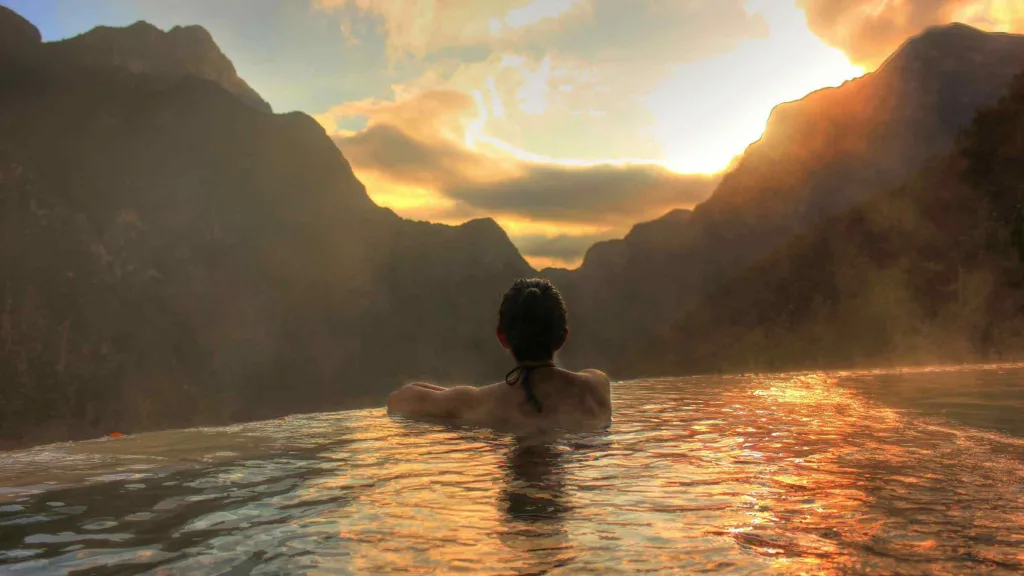
It is important to be clear about limitations. Despite persistent claims, there is no scientific evidence that hot springs can:
- Detoxify the body
- Cure diseases or chronic conditions
- Prevent illness
- Reverse aging
Approaching hot springs with realistic expectations lets you enjoy their real benefits without being misled by unsubstantiated health claims.
Are Hot Springs Safe? Understanding the Real Risks
So, are hot springs safe? Yes — but only when you understand and respect the hazards. Hot springs present several distinct risks that every visitor needs to be aware of before soaking.
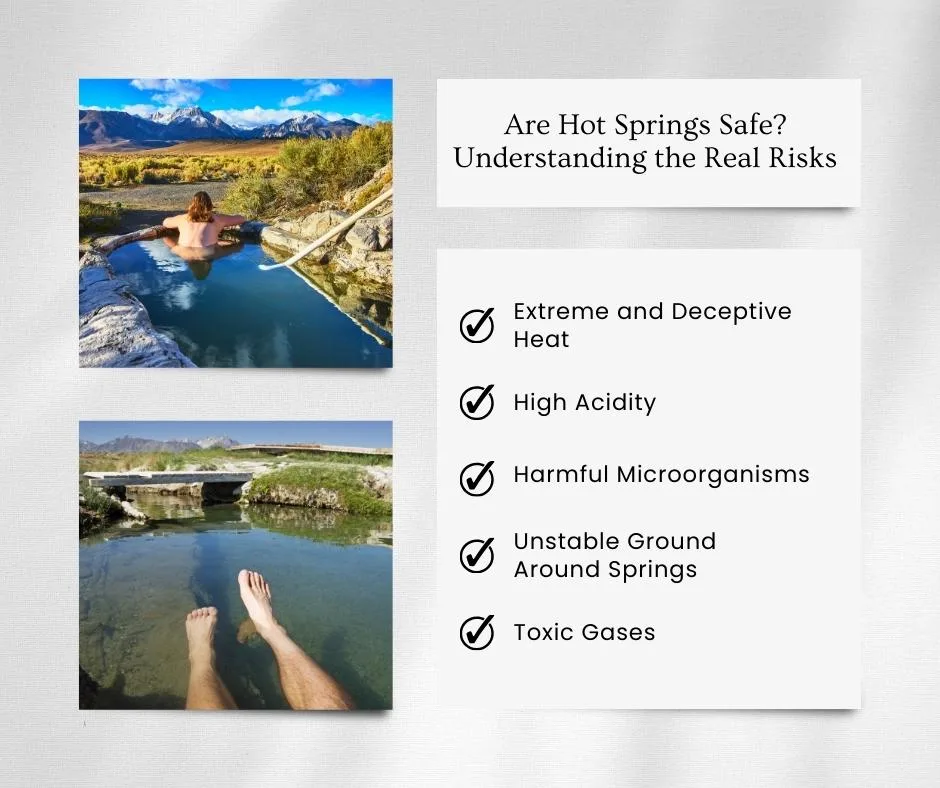
Extreme and Deceptive Heat
This is the most serious risk. Hot springs can appear cool, calm, and inviting on the surface while concealing temperatures well above what the human body can survive. A spring at 122°F (50°C) can cause serious burns within ten minutes. At 140°F (60°C), it takes roughly three seconds. Some springs in Yellowstone exceed the boiling point entirely.
Tragically, deaths have occurred. According to the Associated Press, at least 22 people are known to have died from hot spring injuries in the vicinity of Yellowstone National Park since 1890. A widely reported 2016 incident involved a 23-year-old man who slipped and fell into a boiling, acidic hot spring and was killed instantly.
The lesson is unambiguous: never enter a spring without testing the temperature carefully first.
High Acidity
Some hot springs are highly acidic, capable of causing chemical burns to eyes and skin. Springs with strong sulfur odors or unusual color (bright orange, yellow, or green coloration often indicates high mineral or acid content) should be approached with extra caution. When in doubt, don’t get in.
Harmful Microorganisms
Natural, untreated hot springs can harbor a range of microorganisms, including bacteria that cause:
- Skin infections and rashes
- Gastrointestinal illness
- Ear infections (from submerging the head)
- In rare cases, Legionnaires’ disease or infections from Naegleria fowleri (a brain-eating amoeba found in warm freshwater)
Avoiding submersion of your head and never swallowing the water significantly reduces this risk.
Unstable Ground Around Springs
At geothermal sites like Yellowstone, the ground surrounding a hot spring is often a thin, fragile crust with superheated water directly beneath. Yellowstone Forever, the official nonprofit partner of Yellowstone National Park, explicitly warns that this crust may look like solid ground but absolutely is not. Stepping off boardwalks can lead to immediate, catastrophic injury. Wildlife walking near these features does not mean it is safe for humans.
Toxic Gases
In some volcanic areas, hot springs can release hydrogen sulfide and other gases. Prolonged exposure in enclosed or low-lying areas can cause dizziness, nausea, or worse.
Who Should Avoid Hot Springs Entirely?
Certain groups face elevated risks when soaking in hot springs and should either avoid them or consult a doctor before visiting:
- Pregnant women — Raising core body temperature above 102.2°F (39°C) during pregnancy, especially in the first trimester, has been associated with increased risk of neural tube defects and other complications. The first trimester is considered the most critical period for fetal development.
- People with heart disease — The cardiovascular strain of prolonged heat immersion can be dangerous for those with underlying heart conditions.
- Individuals with open wounds or sores — Untreated spring water can introduce bacteria directly into wounds.
- People with weakened immune systems — Microorganisms that are harmless to healthy individuals can cause serious illness in immunocompromised people.
- Those prone to fainting or with low blood pressure — Heat causes blood vessels to dilate, which can lead to sudden drops in blood pressure and fainting.
- Young children — Children are far more susceptible to overheating and burns than adults and should never be unsupervised near any hot spring.
Hot Spring Safety Rules You Should Follow Every Time
Whether you’re visiting a developed resort spa or a wild backcountry pool, the following rules apply universally. Understanding these practices is the most direct answer to are hot springs safe — because safety is largely determined by visitor behavior.
- Always test the water before entering. Dip a hand or foot in cautiously. If it’s too hot to be comfortable, don’t get in.
- Stay on boardwalks and designated trails. Never step off marked paths near geothermal features, no matter how solid the ground looks.
- Never enter springs that are roped off or posted with warning signs. These restrictions exist for your safety and the protection of the thermal features.
- Do not submerge your head. This reduces the risk of ear infections and exposure to harmful microorganisms.
- Avoid swallowing the water. Even small amounts of untreated spring water can cause gastrointestinal illness.
- Keep soak sessions short. Limit individual soaks to 15–20 minutes and take breaks in between. Overexposure to heat causes dehydration, dizziness, and can lead to fainting.
- Stay hydrated. Drink water before, during, and after your soak.
- Do not hot pot alone. Always bring a companion when visiting springs, particularly in remote areas.
- Do not throw objects into thermal features. Never chase an item that falls into a hot spring.
- Keep pets away from thermal areas. Pets can be seriously harmed, and incidents involving pets can put their owners in danger as well.
Developed vs. Wild Hot Springs: Which Is Safer?
Not all hot springs are created equal when it comes to safety infrastructure.
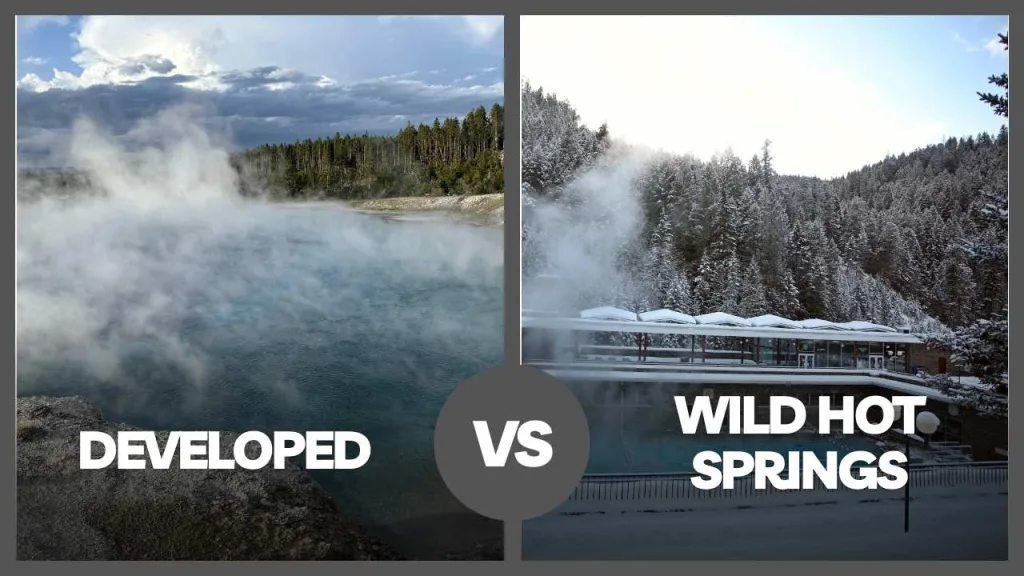
Developed Hot Springs
Commercial and resort-managed hot springs offer the safest soaking experience. Temperatures are regularly monitored, water is often treated to reduce microbial risk, and facilities like lifeguards, medical personnel, and clear signage make emergencies easier to handle. If you are new to hot spring soaking, starting with a developed spring is the right move.
Wild and Backcountry Hot Springs
Dispersed, undeveloped hot springs found in forests and wilderness areas can be magical experiences but they come with heightened responsibility. There are no temperature monitors, no staff, and no guaranteed water quality.
Before visiting any remote spring, research temperature data, understand the terrain, and always go with at least one other person. Resources like Soak Destinations offer guides to both developed and wild springs across the United States, helping you plan safe and memorable visits.
Special Considerations: Yellowstone’s Hot Springs
Yellowstone National Park deserves its own mention because its geothermal features are among the most extreme on Earth. The National Park Service and Yellowstone Forever both emphasize that Yellowstone’s springs are not recreational soaking pools. The park strictly prohibits swimming, soaking, or wading in any thermal feature within its boundaries.
The thermal areas at Yellowstone are also surrounded by the kind of thin, deceptive crust described earlier. The boardwalks exist because they are the only truly safe place to stand. Deviating from them even briefly has been fatal for visitors in the past.
Quick Reference: Hot Spring Safety at a Glance
| Factor | What to Do |
| Temperature | Always test before entering; avoid anything above comfortable warmth |
| Acidity | Avoid springs with strong sulfur smell or unusual color |
| Microorganisms | Don’t submerge head; don’t swallow water |
| Ground stability | Stay on boardwalks and designated paths at all times |
| Soak duration | 15–20 minutes maximum per session |
| Special health conditions | Consult a doctor if pregnant, have heart disease, or are immunocompromised |
| Children | Never leave unsupervised near any hot spring |
Final Thoughts
Are hot springs safe? Absolutely, when approached with knowledge, respect, and a healthy dose of caution. The same features that make them breathtaking (extreme heat, mineral-rich chemistry, raw geothermal power) are also what make them potentially dangerous when underestimated.
The key is preparation. Choose developed springs if you’re a first-timer, follow posted guidelines, keep soak times reasonable, never skip the temperature test, and be especially careful around natural backcountry pools. With the right mindset, soaking in a hot spring can be one of the most restorative, awe-inspiring experiences available in the natural world.
Ready to find your perfect soak? Explore curated hot spring destinations, safety tips, and regional guides at Soak Destinations your starting point for safe, unforgettable hot spring adventures.