Are Hot Springs Good For You?

Are Hot Springs Good For You? Yes, soaking in natural hot springs can be incredibly good for both your body and mind. For centuries, people have turned to these warm, mineral-rich waters for healing, relaxation, and rejuvenation. Hot springs may help your body absorb trace minerals like magnesium, sulfur, and silica that support wellness from the inside out. They are also known to relieve pain, reduce stress, improve circulation, and leave your skin soft and refreshed.
Regular soaking can support natural detoxification, strengthen the immune system, and even improve sleep by helping your body relax and reset. Many people with arthritis or high blood pressure also experience relief, as the heat, buoyancy, and mineral content can ease joint stiffness and promote heart health.
If you’re looking to explore natural hot springs for their therapeutic benefits, SoakDestinations.com offers a curated guide to some of the best mineral-rich soaking spots. While hot springs offer a wide range of benefits, it’s always best to use them mindfully and consult with a doctor if you have certain medical conditions.
Hot Springs Health Benefits: Why Soaking Can Be Good for You?
Soaking in natural hot springs has been a traditional wellness practice for centuries. Warm mineral-rich water can support both physical and mental well-being, offering relaxation while helping the body recover from everyday stress. Below are some of the key potential benefits people experience from regular hot spring bathing.
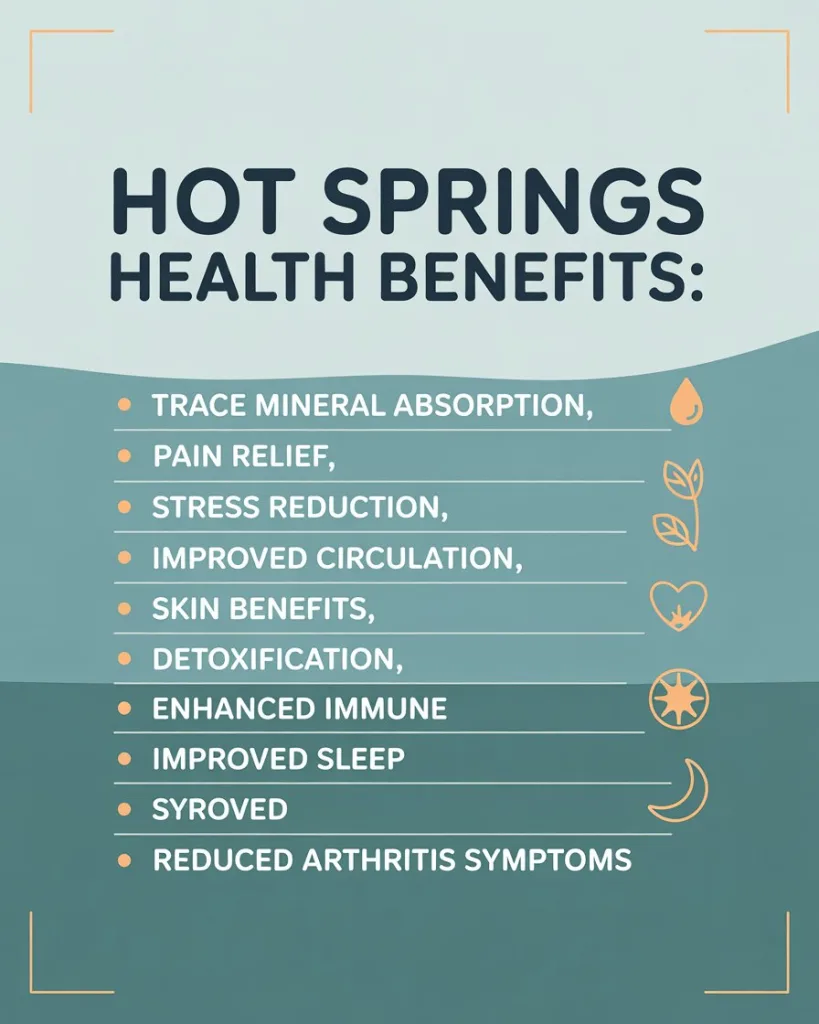
Potential Benefits of Hot Springs
- Trace Mineral Absorption
- Pain Relief
- Stress Reduction
- Improved Circulation
- Skin Benefits
- Detoxification
- Enhanced Immune System
- Improved Sleep
- Reduced Arthritis Symptoms
- Lower Blood Pressure
Trace Mineral Absorption from Hot Springs: How It Works and Why It Helps?
Soaking in mineral-rich hot springs isn’t just relaxing — your skin can actually take in tiny amounts of the dissolved minerals through a process called transdermal absorption. Even though skin is a protective barrier, it’s also slightly porous, which lets trace minerals pass through into the body. This natural absorption may help restore mineral balance and support overall wellness, especially if your diet is lacking certain nutrients.
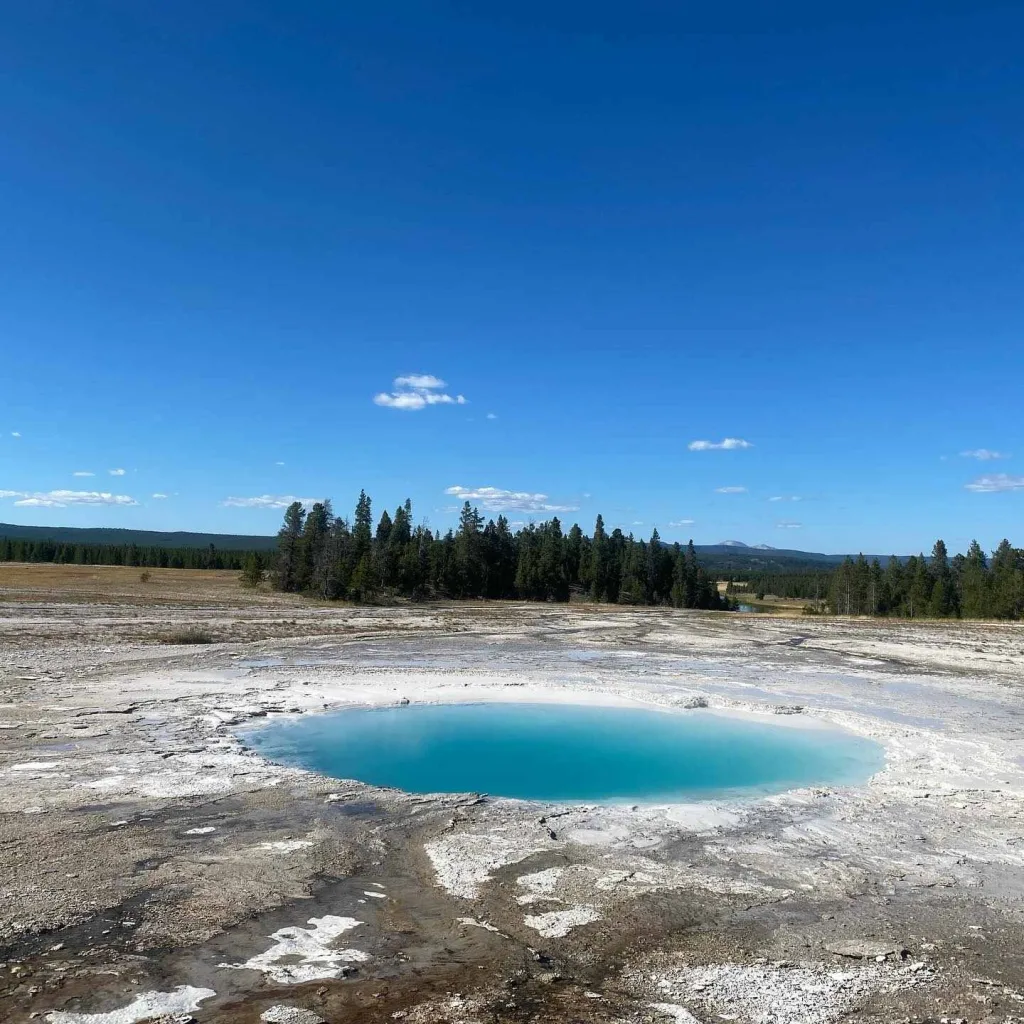
How Minerals Are Absorbed?
- Skin Permeability: The skin has small openings (pores) that allow water and dissolved minerals to pass through.
- Transdermal Absorption: Minerals like magnesium, sulfur, silica, and lithium move through the skin layers and enter the bloodstream.
- Heat Effect: Warm water opens pores and boosts blood flow, which can increase mineral uptake.
- Mineral Variety: Each hot spring has its own mix of minerals based on the local geology, giving each place unique benefits.
Common Minerals Found in Hot Springs & Their Benefits
- Magnesium: Supports the immune system and helps reduce muscle cramps.
- Sulfur: Known for antibacterial properties; can help with eczema and psoriasis.
- Silica: Aids in collagen production for healthy skin, hair, and joints.
- Iron: Essential for carrying oxygen in the blood and maintaining energy levels.
- Lithium: May help improve mood and reduce stress.
- Zinc: Strengthens immune defenses and supports wound healing.
Pain Relief Benefits of Hot Springs
Soaking in warm, mineral-rich hot springs can naturally ease pain and discomfort. The combination of heat, buoyancy, and dissolved minerals helps relax tense muscles, improve circulation, and reduce inflammation. This makes hot springs a popular choice for people managing chronic pain or recovering from muscle and joint injuries.
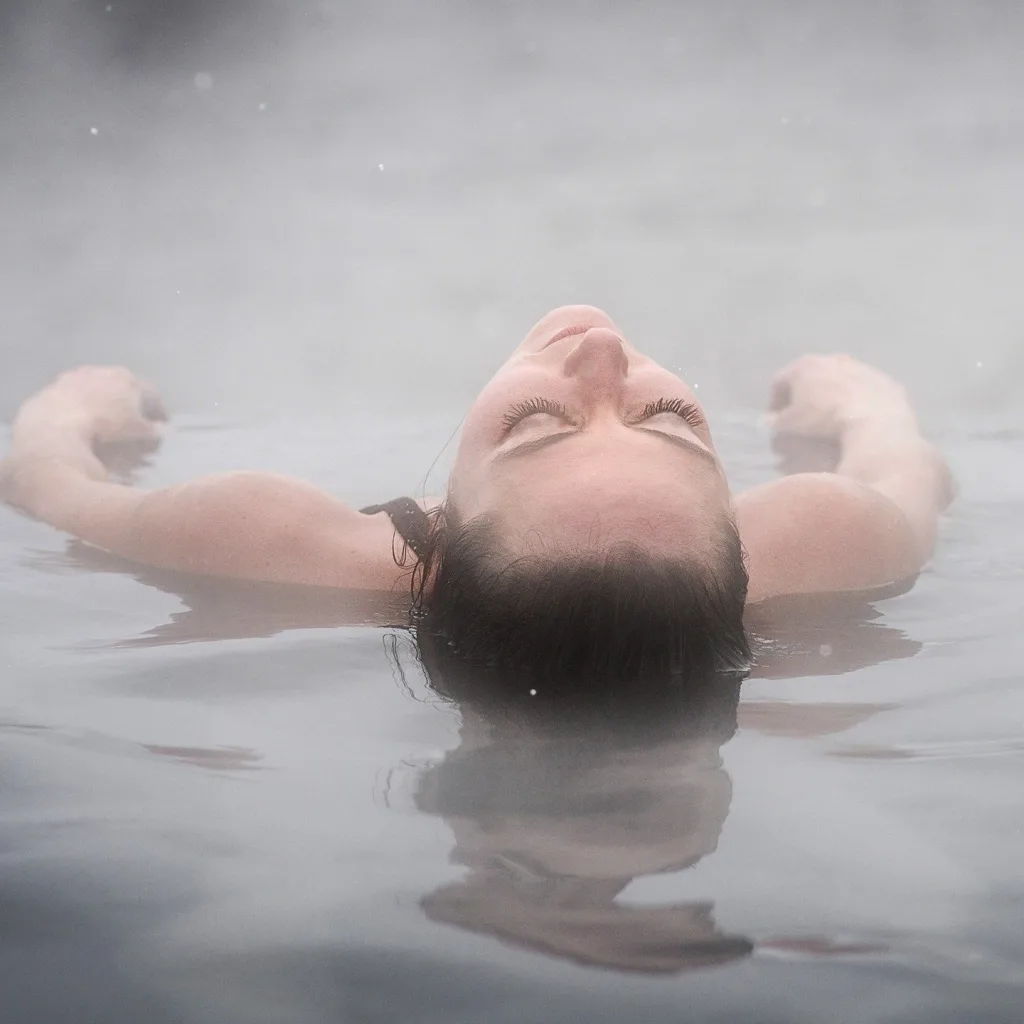
How Hot Springs Help Relieve Pain?
- Improved Blood Circulation: Heat from the water widens blood vessels, increasing blood flow and bringing more oxygen and nutrients to sore muscles and joints.
- Muscle Relaxation: Warm water helps release tension in muscles, easing stiffness, spasms, and soreness.
- Reduced Inflammation: Minerals like sulfur may calm inflammation in muscles and joints, supporting the body’s natural healing process.
- Buoyancy and Support: The water supports body weight, reducing strain on joints while allowing gentle movement and stretching without pain.
- Pain Receptor Blocking: Studies suggest warm mineral water can block certain pain signals, offering temporary relief from chronic conditions.
- Aid in Rehabilitation: The soothing environment makes it easier to perform light stretches and movements, helping improve flexibility and recovery.
Stress Reduction Benefits of Hot Springs
Soaking in warm, mineral-rich hot springs offers more than physical relief — it can also calm the mind. The heat, buoyancy, and natural minerals help relax the nervous system and lower stress hormones, while the peaceful setting encourages mental rest. Many people find that regular hot spring visits ease feelings of tension, anxiety, and mental fatigue.
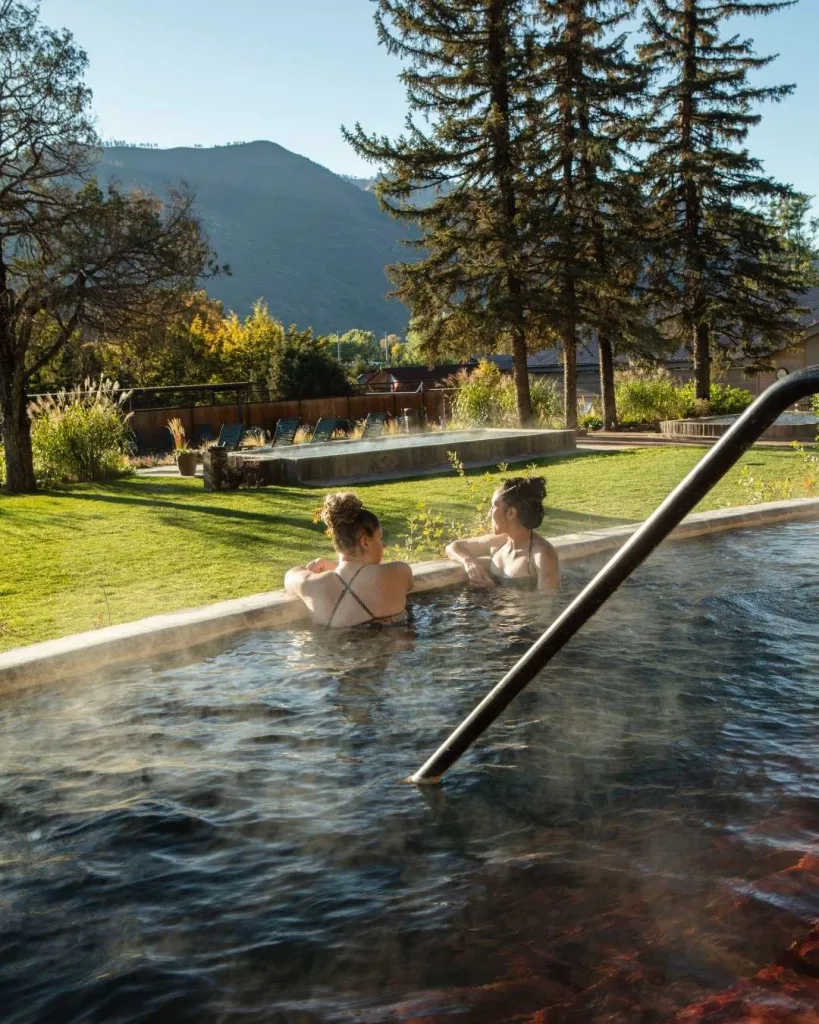
How Hot Springs Help Reduce Stress?
- Lower Stress Hormones: Warm water immersion has been shown to reduce cortisol and other stress markers, helping the body relax.
- Deep Relaxation Response: The heat relaxes muscles, slows breathing, and promotes a sense of calm, reducing anxiety and mental strain.
- Mood Support: Minerals like magnesium and lithium may help stabilize mood and support emotional balance.
- Mental Fatigue Relief: The soothing environment and sensory quiet help clear mental clutter and encourage mindfulness.
- Better Sleep: Relaxing in hot water before bedtime can help regulate sleep cycles and improve sleep quality.
Improved Circulation from Hot Springs
Soaking in hot springs can naturally boost blood flow throughout the body. The warm temperature widens blood vessels — a process called vasodilation — while the pressure of the water gently stimulates circulation. This increased blood flow delivers more oxygen and nutrients to muscles and organs, helping them heal and function better. The mineral content in the water can also enhance these effects, supporting joint and muscle recovery.
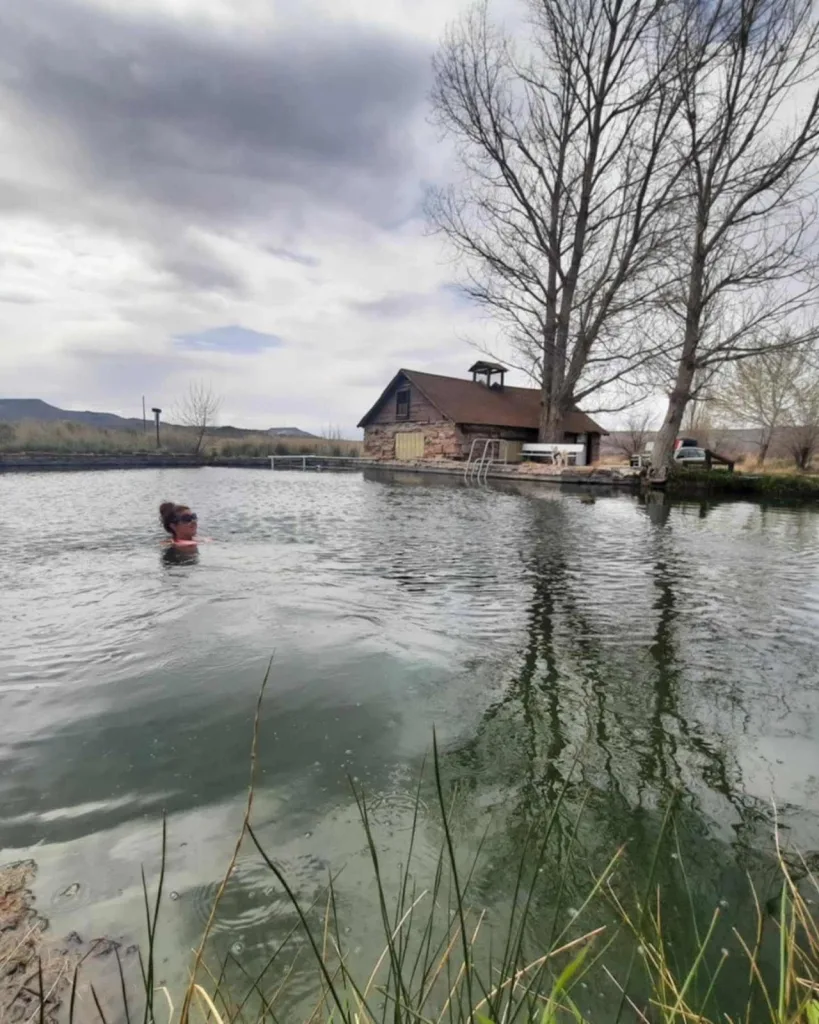
How Hot Springs Improve Circulation?
- Vasodilation: Heat relaxes and widens blood vessels, allowing more blood to flow through them.
- Increased Blood Oxygenation: Better circulation delivers extra oxygen and nutrients to muscles, tissues, and vital organs.
- Hydrostatic Pressure: The water’s pressure gently pushes on the body, supporting heart function and improving overall blood flow.
- Mineral Absorption: Minerals like calcium, magnesium, and sulfur may enter the skin, promoting healthier muscles and joints.
Benefits of Better Circulation
- Reduced Muscle and Joint Pain: More oxygen and nutrients speed up healing and reduce soreness.
- Lower Blood Pressure: Relaxed blood vessels reduce strain on the heart and lower blood pressure.
- Faster Muscle Recovery: Improved circulation clears waste products from muscles, helping them recover after exercise.
- Stress Relief: Warm water relaxes the nervous system, indirectly supporting better heart health.
Skin Benefits of Hot Springs
Soaking in hot springs can be soothing for the skin while also providing real health benefits. The warmth opens pores for deep cleansing, while minerals like Silicon (silica), Sulfur, Magnesium, and Zinc nourish and protect the skin. This combination helps reduce irritation, improve hydration, and support the skin’s natural healing and renewal process.

How Hot Springs Support Healthy Skin?
- Moisturizes and Softens: Silica naturally smooths rough, dry skin, while warm water hydrates and restores the skin’s moisture balance.
- Soothes Irritation: Anti-inflammatory minerals help calm redness and swelling, easing conditions like eczema and psoriasis.
- Cleanses and Detoxifies: Heat opens pores to release trapped impurities, while minerals assist the skin’s detox process.
- Reduces Acne and Tightens Pores: Sulfur’s antibacterial and antifungal properties help clear clogged pores and reduce breakouts.
- Boosts Collagen Production: Trace minerals support collagen formation, improving skin structure, elasticity, and firmness.
- Improves Texture and Glow: Gentle exfoliation during soaking removes dead cells, leaving skin smoother and more radiant.
Regular hot spring bathing can leave the skin feeling soft, clear, and refreshed — making it a natural way to support skin health while you relax.
Do Hot Springs Really Detox Your Body?
Soaking in natural hot springs isn’t just relaxing — it can also support your body’s natural detox processes. This practice, known as balneotherapy, has been used for centuries as a way to cleanse the body, rejuvenate the skin, and promote overall well-being. By combining heat, water pressure, and mineral content, hot spring bathing can activate several internal systems that help remove built-up toxins from the body.
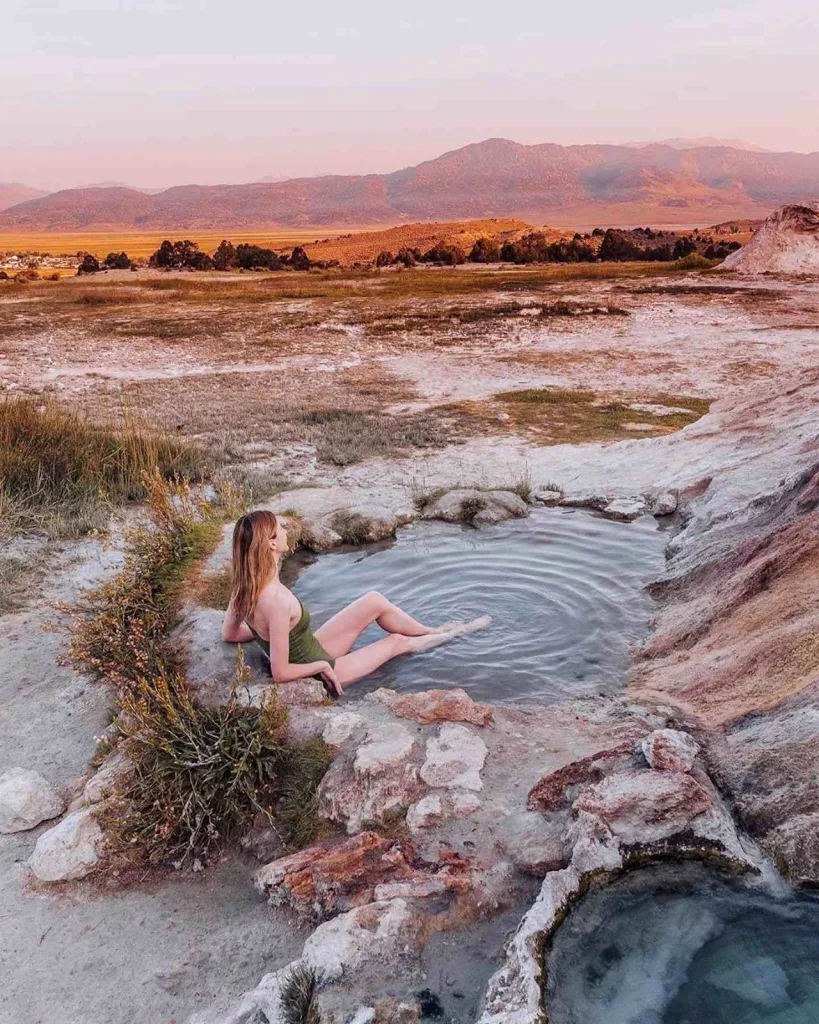
How Hot Springs Support Detoxification?
- Stimulates Sweating: The heat from thermal waters raises your body temperature, encouraging sweating that helps release impurities through the skin.
- Boosts Circulation: Warm water increases blood flow, which can transport cellular waste to organs responsible for filtering and eliminating toxins.
- Enhances Lymphatic Flow: The pressure of water on the skin promotes lymphatic drainage, which helps clear waste and reduce inflammation.
- Provides Mineral Absorption: Essential minerals like sulfur, magnesium, and calcium in hot spring water can support enzyme function and cellular detox pathways.
- Supports Organ Function: Improved circulation and hydration can help the liver, kidneys, and skin — your body’s main detox organs — work more efficiently.
How Soaking Supports Your Body’s Defenses?
Soaking in mineral-rich hot springs isn’t just relaxing — it can also strengthen your body’s natural defenses. This therapeutic practice helps your immune system function more effectively by delivering essential minerals through the skin, improving circulation, reducing stress, and even mimicking a mild fever to fight off germs. Regular hot spring bathing can be a powerful part of a holistic wellness routine.
How Hot Springs May Enhance Your Immune System?
- Mineral Absorption: Hot springs are rich in magnesium, calcium, potassium, sulfur, and zinc — all essential nutrients that support immune cell function.
- “False Fever” Effect: The warm water raises your core temperature, creating a mild fever-like state that helps inhibit viruses and stimulates immune activity.
How Soaking Improves Rest and Recovery?
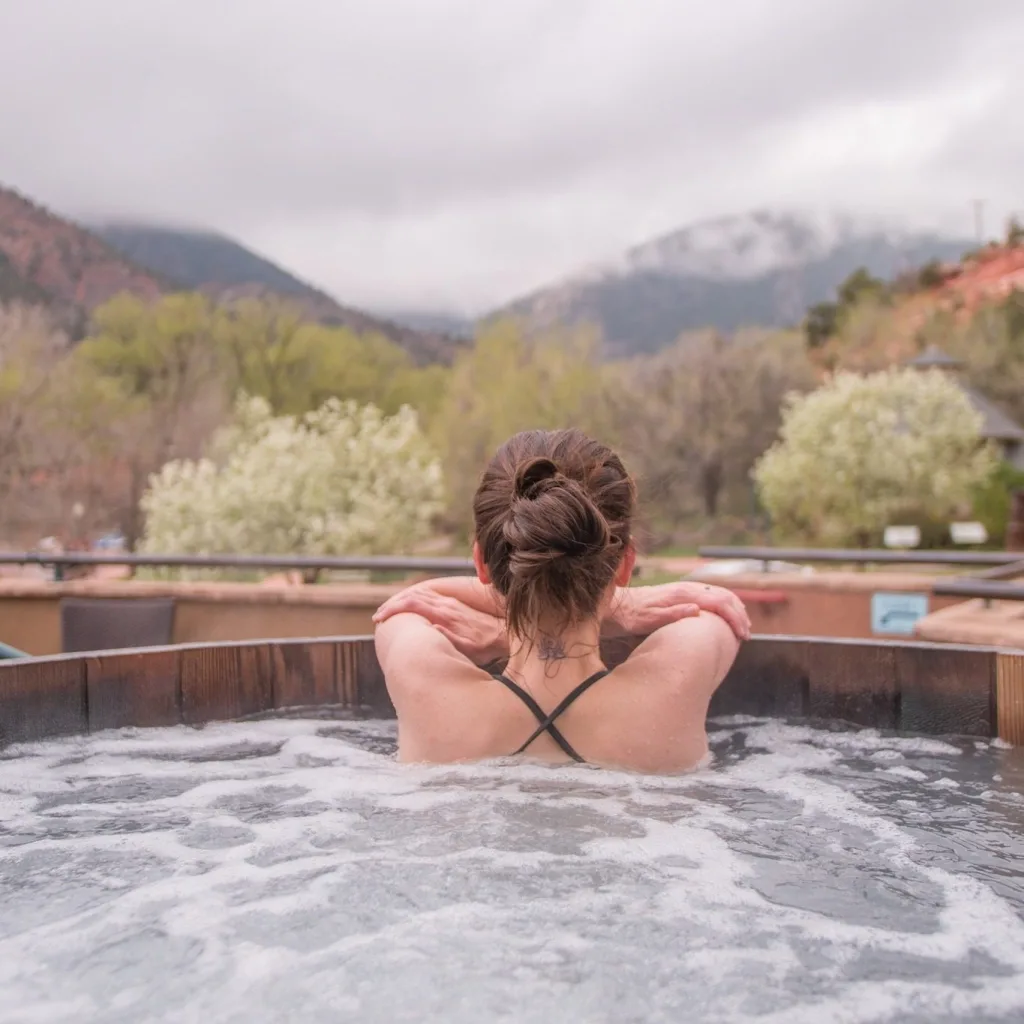
Soaking in hot springs can be a simple, natural way to achieve deeper and better-quality sleep. The combination of warm, mineral-rich water, buoyancy, and a tranquil environment helps relax the body and calm the mind — key ingredients for restful sleep. By influencing your core body temperature and reducing stress, hot springs can reset your body’s internal clock and promote a more restorative sleep cycle.
How Hot Springs Improve Sleep?
- Body Temperature Regulation: The heat raises your core temperature during the soak. Afterward, your temperature drops quickly — mimicking the body’s natural nighttime cooling cue and signaling it’s time to sleep.
- Stress and Anxiety Reduction: Warm water and a serene setting help release tension, lower cortisol levels, and quiet racing thoughts that can keep you awake.
- Muscle Relaxation: Buoyancy eases pressure on joints, while heat increases blood flow and releases endorphins, reducing pain and encouraging full-body relaxation.
- Mineral Support: Minerals like magnesium and calcium absorbed through the skin promote nervous system balance and muscle relaxation, helping you fall asleep faster and stay asleep longer.
Tips for Using Hot Springs to Enhance Sleep
- Time It Right: Soak about 1–2 hours before your bedtime to align with your body’s natural sleep-wake cycle.
- Stay Hydrated: Drink water before and after soaking to counteract potential dehydration from warm mineral water.
- Avoid Stimulants: Skip caffeine, heavy meals, or screen time before your soak.
- Create a Ritual: Pair your soak with calming activities like light stretching, breathing exercises, or mindfulness meditation.
- Improved Circulation: Heat dilates blood vessels, improving oxygen and nutrient delivery to organs and increasing white blood cell production.
- Stress Reduction: Soaking reduces cortisol levels, allowing your immune system to respond more effectively to threats.
- Respiratory Relief: The steam and moist air open nasal passages, soothe congestion, and protect against respiratory viruses.
How Hot Springs Help Reduce Symptoms?
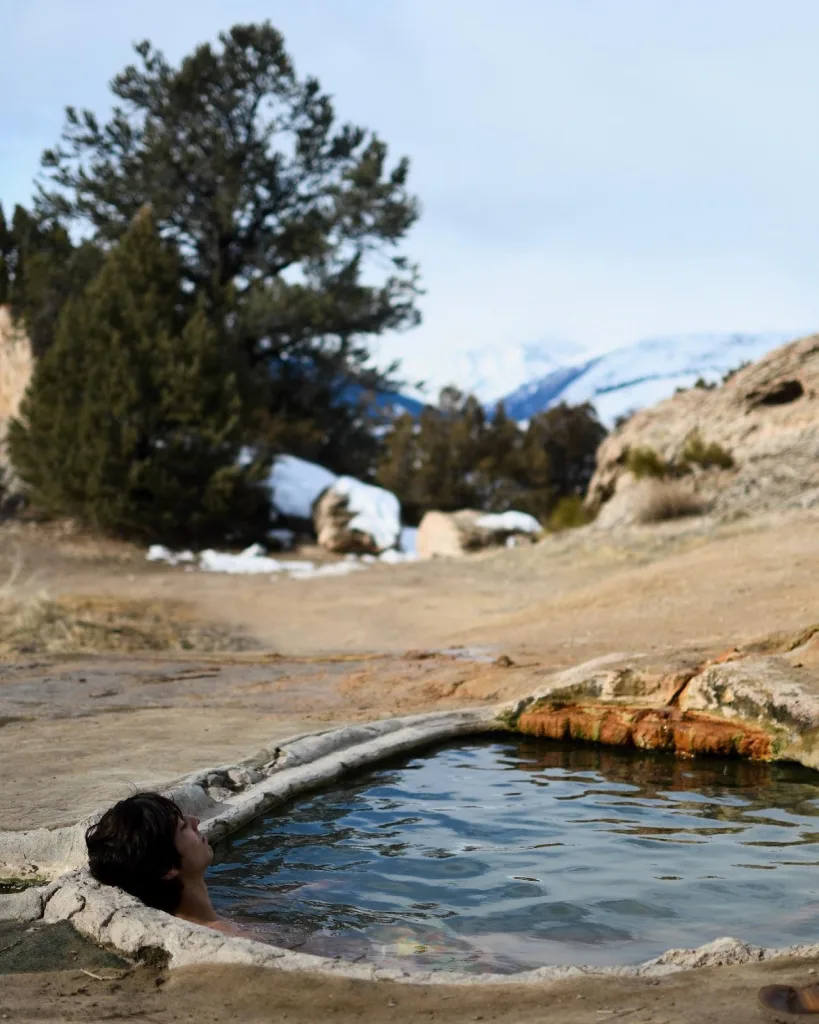
Soaking in hot springs can provide natural, non-invasive relief for people living with arthritis. The combination of heat therapy, mineral-rich waters, buoyancy, and hydrostatic pressure can temporarily reduce pain, stiffness, and inflammation while improving mobility and circulation. Although this can be an effective complementary therapy, it’s important to consult your doctor before trying hot springs, as heat is not suitable for everyone.
How Hot Springs Help with Arthritis?
- Heat Therapy: Warm water increases blood flow to the joints, bringing oxygen and nutrients that relax muscles, reduce pain, and improve range of motion.
- Hydrostatic Pressure: The water’s pressure helps reduce joint swelling and inflammation, easing discomfort.
- Mineral Content: Minerals such as sulfur, magnesium, and calcium can be absorbed through the skin, supporting joint and muscle healing.
- Buoyancy: The buoyant effect reduces the weight and stress on joints, allowing easier movement with less pain.
- Mental Health Benefits: Relaxation in a soothing environment can lower stress and improve overall quality of life, which can indirectly reduce arthritis flare-ups.
Important Considerations
- Consult a Physician: Always speak with your doctor first to confirm if heat therapy is safe for your condition.
- Limit Soak Duration: Aim for about 20 minutes per session to avoid overheating or irritation.
- Incorporate Gentle Exercise: Light stretches during the soak can enhance flexibility and mobility.
- Practice Hygiene: Be mindful of hot spring cleanliness, as natural waters can sometimes harbor bacteria
How Hot Springs May Lower Blood Pressure?
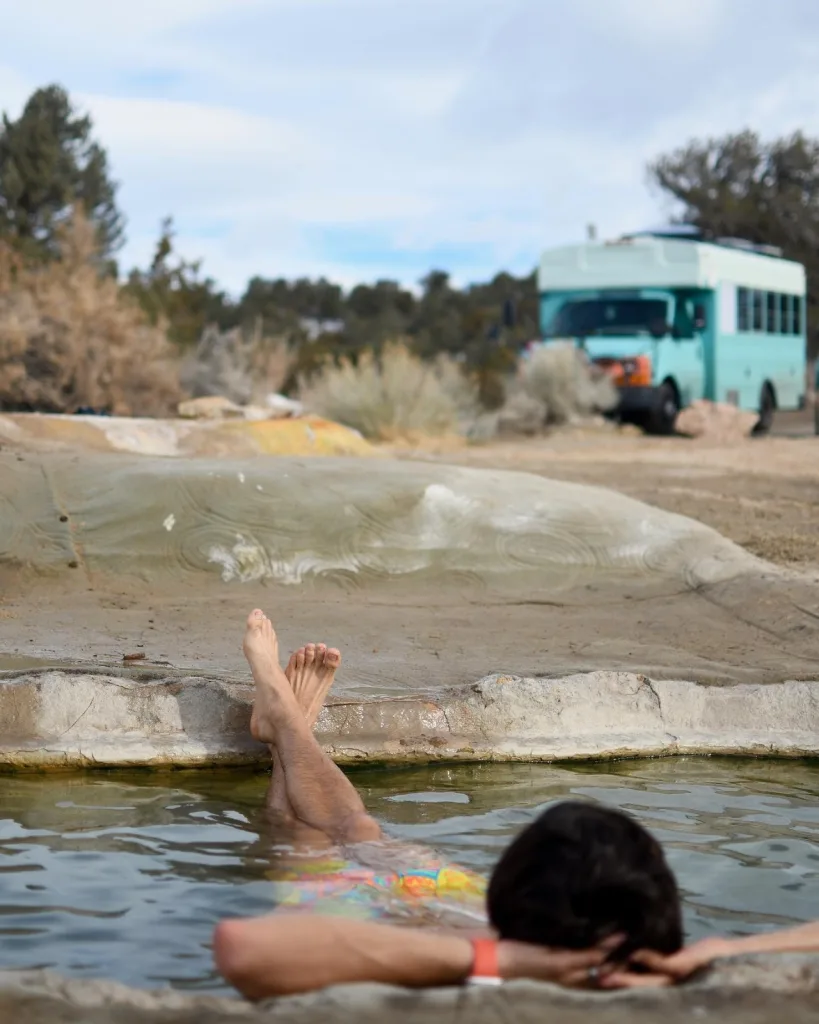
Soaking in hot springs can temporarily lower blood pressure thanks to the heat-induced widening of blood vessels (vasodilation). This relaxation of blood vessels improves circulation and reduces the workload on your heart, mimicking the effects of light exercise. However, for people with existing heart conditions or low blood pressure, soaking can sometimes cause dizziness, faintness, or even dangerous drops in blood pressure — so safety precautions are essential.
Why Hot Springs Can Lower Blood Pressure?
- Vasodilation: The warm water relaxes and widens your blood vessels, reducing resistance to blood flow and lowering blood pressure.
- Improved Circulation: Increased blood flow enhances oxygen delivery to organs and muscles, helping your heart work more efficiently with less effort.
- Reduced Stress: The calming environment of hot springs can lower stress hormones, which indirectly supports healthier blood pressure levels.
- Lower Cardiac Strain: By reducing vascular resistance, hot springs can ease the workload on your heart, allowing it to pump blood more effectively.
FAQS
Q1: Are hot springs good for your health?
Yes, their warm, mineral-rich waters can relax muscles, reduce stress, improve circulation, and support overall wellness.
Q2: Can soaking in hot springs help with Arthritis?
Yes, the heat, buoyancy, and minerals can ease joint pain, stiffness, and inflammation temporarily.
Q3: Do hot springs really improve sleep?
Yes, they help regulate body temperature, relax muscles, and reduce stress for deeper, better-quality sleep.
Q4: Can hot springs lower High Blood Pressure?
Yes, heat dilates blood vessels and improves circulation, which can temporarily lower blood pressure.
Q5: Are there any risks to using hot springs?
Yes, people with heart conditions or very low blood pressure should consult a doctor before soaking.