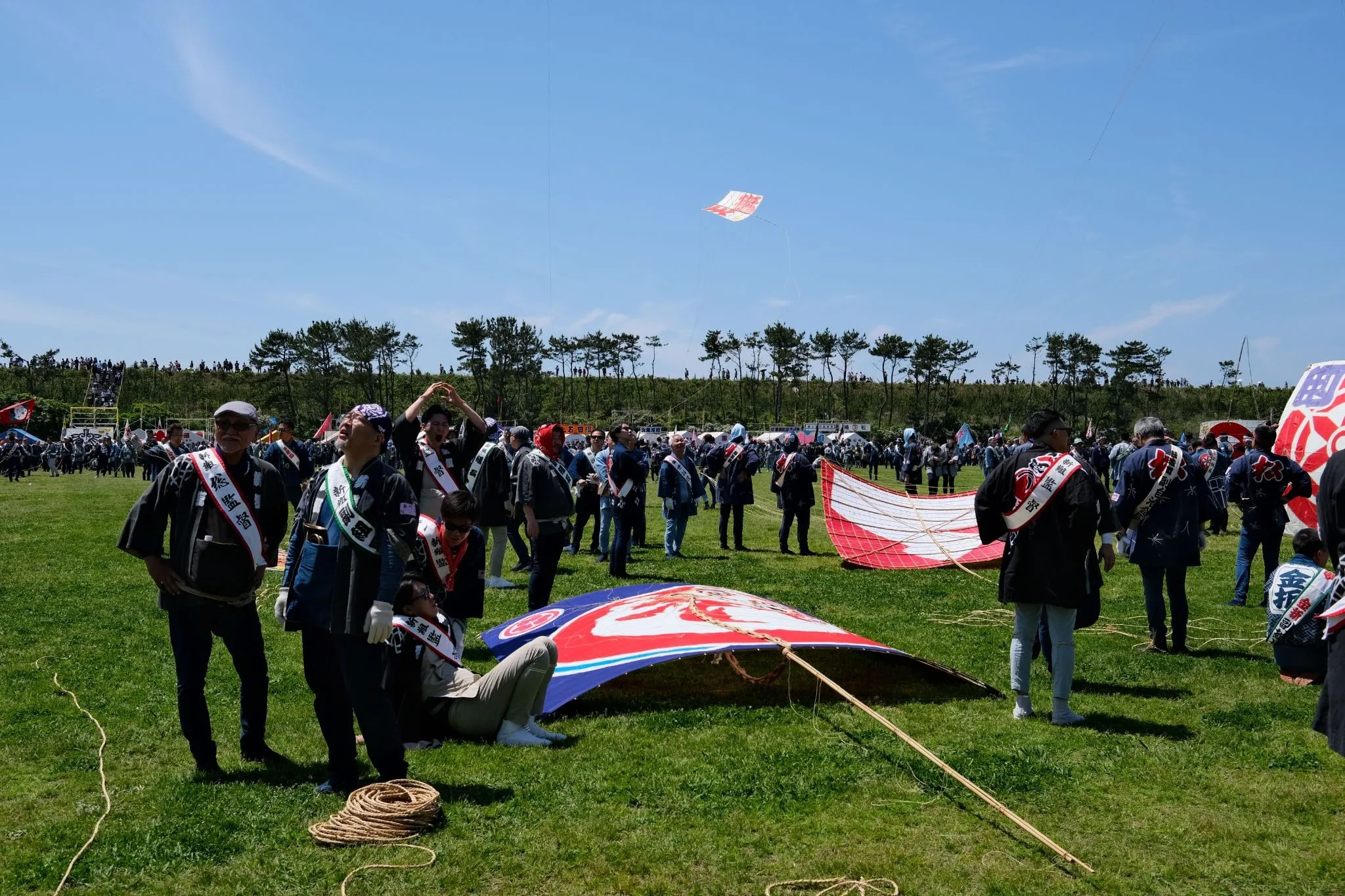
By 10 a.m. on a clear morning in August at Padanggalak Beach, the first shadows are already moving across the sand. They belong to kites, not the kind found in any tourist shop, but structures ten meters across with tails stretching the length of a football field, rising on the steady winds that arrive over Sanur each dry season with the reliability of a calendar. Every international visitor who has come to see them has already paid their Bali Tourist Levy, the mandatory IDR 150,000 tourism tax, paid online before arrival, which the Bali provincial government directs toward cultural preservation and environmental programs across the island. What those funds help sustain includes the tradition rising into the sky above them.
Kite flying in Bali is not a leisure activity. It is a ritual practice with centuries of unbroken history, organized by communities, blessed by priests, and judged by the same competitive framework that has governed it for generations. The Denpasar Kite Festival 2026, confirmed in the Bali Provincial Government’s 2026 Calendar of Events and scheduled for August on the Sanur beachfront, is the annual centrepiece of a season running from July through October, drawing teams from all nine Balinese regencies alongside competitors from Japan, Australia, France, the Netherlands, the USA, and Malaysia.
An Offering That Rises on the Wind
The origin of Balinese kite flying is inseparable from the island’s Hindu spiritual framework. For centuries, communities have sent kites skyward as expressions of gratitude for a bountiful harvest and requests for continued prosperity. The tradition predates the modern festival format by generations. Before competition, before international teams, there was the act itself: a community releasing something beautiful upward as a form of prayer.
The communal structure behind this practice is the Sekaa Layangan, the kite team assembled by each Banjar, the traditional neighborhood council at the core of Balinese village life. Teams spend months in preparation. A priest blesses the kite before it flies. The team arrives with a gamelan orchestra, flag bearers, and matching ceremonial dress. The kite leaves the ground as a collective effort, not an individual achievement. The ngur, a vibrating bow on the kite frame, produces a deep hum as the structure climbs, audible to both the crowd below and, by belief, the gods above.
Bebean, Janggan, Pecukan: The Three Classical Forms
— Boutique Villas Bali
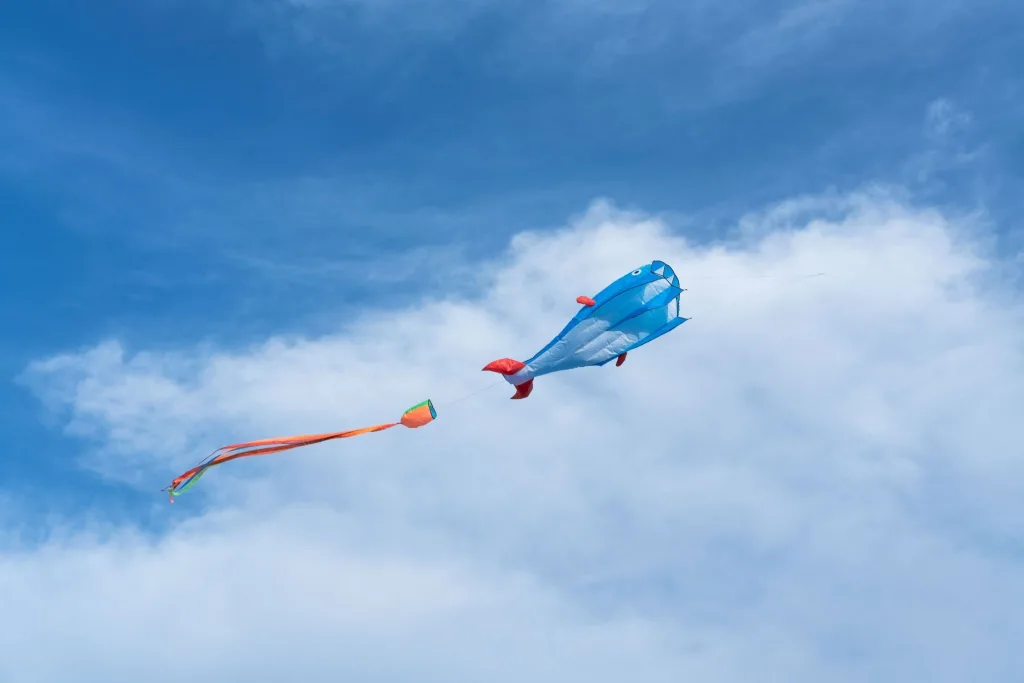
The Bebean is the fish kite: a wide-bodied structure spanning 10 metres, governed by tradition rather than aerodynamics, which makes it a technical challenge to fly. The Pecukan is a leaf or diamond shape, simpler in silhouette but demanding in execution. The Janggan is the most sacred: a bird or dragon form whose tail extends over 100 metres. Balinese belief holds that its flight mediates between the physical and spiritual worlds. Some Janggan kites require more than 70 people to launch.
The August Festival at Padanggalak
Padanggalak Beach, on the northern edge of Sanur, provides the conditions Balinese kite culture has relied on for generations: wide, flat, and opening directly onto the Indian Ocean with nothing to interrupt the dry-season trade winds. Kite teams arrive before dawn. Gamelan players set up. By mid-morning, the wind is at its peak, and the sky above the beach has become something that functions more like a gallery than a competition venue.
The Denpasar Kite Festival draws participants from across Bali and from across the world. International teams compete alongside Balinese nagare groups, bringing their own kite traditions. According to reports on Bali’s 2026 tourism trajectory, the island is on track for close to 7 million international arrivals in 2026, with cultural tourism cited as a primary growth driver. The levy revenue directed toward cultural preservation reaches the communities maintaining the Sekaa Layangan groups, the gamelan ensembles, and the craft knowledge behind the kites.
A Season, Not Just a Festival
The Denpasar Kite Festival is the most internationally visible event in Bali’s kite calendar, but the season extends far beyond it. From July through October, competitions and community kite days take place at beaches across the island: Masceti Beach in Gianyar, beaches in Klungkung, the fields of Tabanan, and Badung. The Gianyar Kite Festival runs in May. The Rare Angon Festival, named for the mythological cowherd associated with the kite tradition, takes place at Mertasari Beach, Sanur, each July.
For a traveler timing a Bali trip to the dry season, the kite culture is not concentrated in one event, but is distributed across the island and over four months. Walk to the beach in Sanur on a weekday in September, and kite teams will be at practice. Drive the rice-field roads between Ubud and the coast, and teams will be working their floats in the open fields. The tradition requires no festival to be visible. It requires only the right wind, which Bali provides in abundance from July through October.
Before You Go
All international visitors to Bali must pay the Bali Tourist Levy of IDR 150,000 per person before or on arrival. Pay online in advance via the Love Bali platform to avoid airport queues. The levy is separate from the Indonesian visa and applies to all foreign nationals.
The sky above Padanggalak Beach in August is doing several things at once. It is staging a competition. It is hosting a ceremony. It is displaying the cumulative craft of communities that have been building these structures from bamboo and fabric for longer than anyone on the beach can trace. The kite that rises on the trade wind carries a tail 100 metres long and a set of intentions that are considerably older than the festival that frames it. Looking up from the sand, it is difficult to know where the offering ends and the art begins. Perhaps that is the point.