Do Hot Springs Have Brain Eating Amoeba? Here’s What Science Says

Hot springs are among the most magical natural experiences on earth — steaming, mineral-rich waters tucked into mountain valleys, desert landscapes, and forest retreats. But alongside their undeniable appeal, a lingering question surfaces among cautious visitors: do hot springs have brain eating amoeba? It’s a fair question, and the answer deserves a thorough, honest look rooted in science and official health guidance.
The short answer is yes, certain natural hot springs can harbor a microscopic organism known as Naegleria fowleri, commonly referred to as the “brain-eating amoeba.” But before you swear off your next soak, it’s important to understand the full picture: how rare infection actually is, how it happens, and how to protect yourself. If you’re planning a trip, Soak Destinations is a great resource for discovering the best natural hot springs across the country.
What Is Naegleria fowleri?
Naegleria fowleri is a single-celled, free-living amoeba found naturally in soil and warm freshwater environments around the world. According to the CDC, it lives in warm freshwater bodies including lakes, rivers, ponds, and hot springs. It is not found in salt water, and no one has ever been infected simply by drinking contaminated water.
How It Enters the Body
The amoeba enters the human body exclusively through the nose. When water containing Naegleria fowleri is forced up the nasal passage, typically during diving, jumping, or submerging the head, the organism can travel along the olfactory nerve directly to the brain.
Once there, it causes a condition called Primary Amebic Meningoencephalitis (PAM), which destroys brain tissue and causes the brain to swell. It cannot be transmitted from person to person.
Why Hot Springs Are Particularly Relevant?
Naegleria fowleri thrives in warm-to-hot water. It grows best at temperatures up to 115°F (46°C) and can survive short periods at even higher temperatures. This makes naturally heated geothermal water the very defining characteristic of hot springs, an ideal environment for the amoeba to flourish. The CDC specifically names hot springs as one of the environments where the organism is present, and recommends that people always keep their heads above water in hot springs and other naturally heated geothermal water.
How Common Are Infections?
Here is where perspective becomes crucial. While the question of whether do hot springs have brain eating amoeba has a factual “yes” answer, the statistical risk of actually contracting an infection is extraordinarily low.
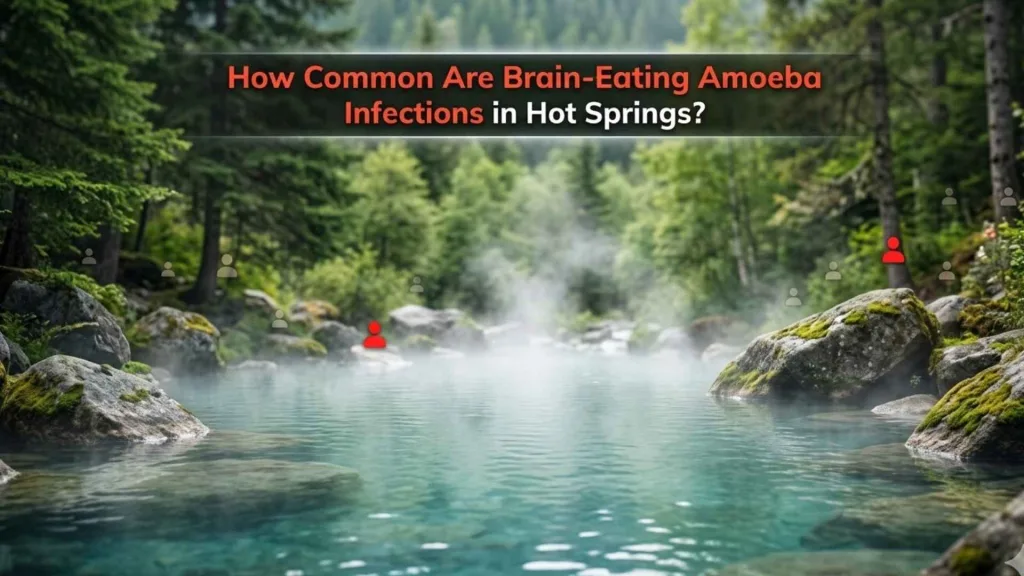
- Between 1962 and 2024, only 167 cases of PAM were reported in the entire United States — that’s roughly 2–3 cases per year over more than six decades.
- Of those 167 cases, only four people survived.
- The CDC reports that typically fewer than 10 people per year in the U.S. develop PAM.
- From 2010 through July 2022, just 40 infections were reported across the entire country.
To put this in context: in any given 10-year period, thousands of Americans die from drowning — a risk estimated to be roughly 1,000 times greater than contracting Naegleria fowleri during recreational water activities. The infection is devastating when it occurs, but it is statistically among the rarest disease events a person can experience.
Where Is the Amoeba Most Commonly Found?
Geographic Distribution
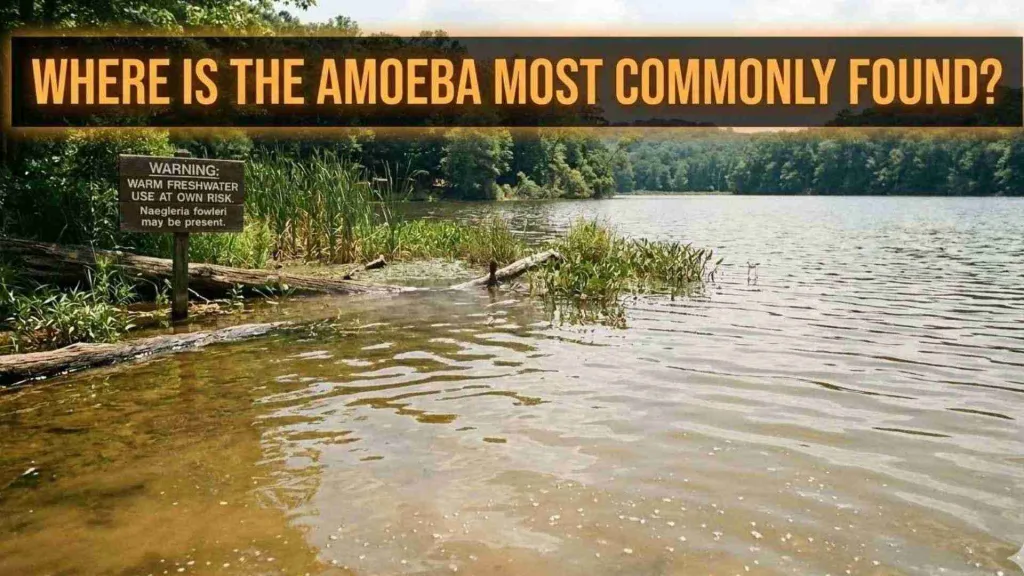
Naegleria fowleri is found worldwide, but in the United States, the majority of infections have historically occurred in southern-tier states where water temperatures stay warmer for longer periods. However, cases have also been reported in more northern states, including Minnesota, suggesting a gradual geographic expansion potentially linked to climate patterns.
Seasonal Patterns
Infections occur almost exclusively during the summer months — primarily July, August, and September. The amoeba thrives when:
- Water temperatures are elevated due to prolonged heat
- Water levels are lower, concentrating the organism in shallower, warmer water
- Heat waves extend warm-water conditions into normally cooler regions
Infection rates increase during heat wave years, when ambient and water temperatures stay elevated for extended periods.
Types of Water Bodies Affected
The CDC recommends that recreational water users assume Naegleria fowleri is present in all warm freshwater, including:

- Natural lakes, ponds, and rivers
- Hot springs and geothermal pools
- Poorly maintained or inadequately chlorinated swimming pools (rare)
- Splash pads and surf parks with insufficient disinfection (rare)
- Tap water in rare circumstances (typically linked to sinus rinsing)
Properly maintained, chlorinated pools pose essentially no risk. Salt water — oceans, seas, and salt lakes — does not harbor this amoeba.
Real-World Cases Linked to Hot Springs
The danger is not purely theoretical. In 2023, Nevada public health officials reported the death of a Lincoln County youth from a confirmed Naegleria fowleri infection. Investigators determined the likely exposure site was Ash Springs, a natural hot spring on federal land.
The case reinforced why the CDC’s guidance about keeping heads above water in hot springs is so critical and why the question of do hot springs have brain eating amoeba deserves serious attention rather than dismissal.
Recognizing the Symptoms of PAM
PAM progresses rapidly, and early recognition is essential — though even with prompt treatment, the disease is nearly always fatal. Symptoms typically begin around 5 days after exposure (with a range of 1–12 days) and follow a two-stage pattern:

Early symptoms:
- Severe headache
- Fever
- Nausea and vomiting
Later symptoms (as the infection progresses):
- Stiff neck
- Seizures
- Altered mental status
- Hallucinations
- Coma
Because these symptoms overlap with bacterial meningitis, diagnosis can be challenging. The CDC notes that laboratory tests capable of identifying Naegleria fowleri are only available in a handful of facilities across the United States, including CDC’s own lab, which means diagnosis sometimes only happens after death.
If you or someone you know develops these symptoms following exposure to warm freshwater — including a hot spring soak — seek emergency medical care immediately and inform the provider of the recent water exposure.
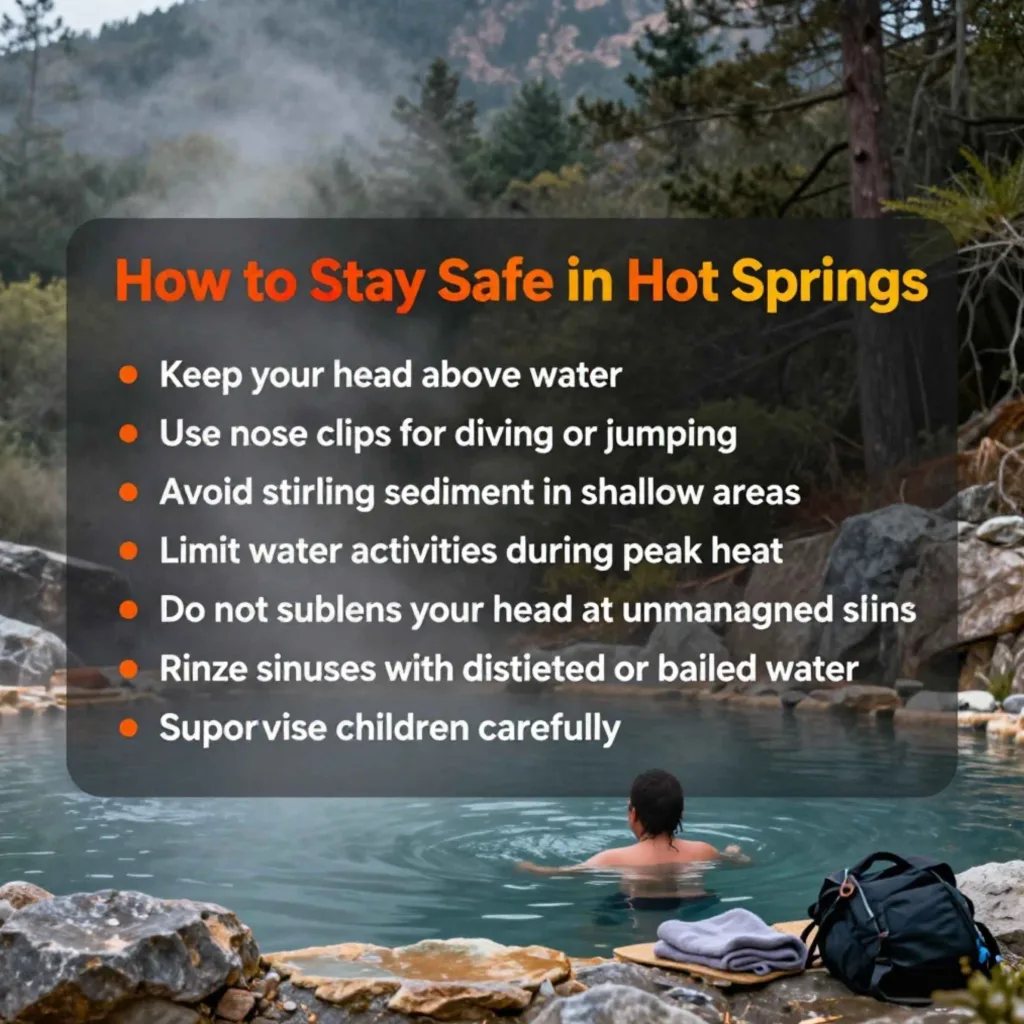
How to Stay Safe in Hot Springs?
Knowing that do hot springs have brain eating amoeba is a confirmed fact doesn’t mean you need to avoid them entirely. It means you should soak smart. The CDC and state health departments have clear, evidence-based guidance for reducing your risk:
The Single Most Important Rule
Always keep your head above the water in hot springs and other naturally heated geothermal water. The amoeba can only infect you through the nasal passage, so as long as water doesn’t enter your nose, your risk is negligible.
Additional Precautions
- Use nose clips when jumping or diving into any warm freshwater, including natural hot spring pools
- Avoid stirring up sediment in shallow areas — the amoeba is more concentrated in bottom sediment
- Avoid warm freshwater activities during periods of peak heat, especially late summer when water temperatures are highest and levels are lowest
- Do not submerge your head or engage in head-dunking at unmanaged, untreated geothermal sites
- Use distilled or boiled water if rinsing sinuses at home — tap water in some regions can contain the amoeba
- Be especially cautious with children, as young boys are disproportionately represented in infection cases, possibly due to higher-risk water play behaviors like diving into shallow sediment
Note on Signage
The CDC does not recommend relying on posted warning signs as a safety strategy. Because the amoeba’s location within any body of water varies over time, and because there are no standardized testing methods to detect it reliably, a body of water without signage cannot be assumed safe. Always treat warm freshwater — hot springs included — as potentially harboring the organism.
Can Hot Springs Be Made Safe?
This is a question many visitors and land managers ask. The honest answer is nuanced.
Treated vs. Untreated Hot Springs
Commercial hot spring resorts that treat and disinfect their pools with chlorine can effectively eliminate the amoeba’s risk, much like a properly maintained swimming pool. The key word is properly maintained. Inadequately treated commercial pools have been linked to rare cases.
Wild, undeveloped, or minimally managed natural hot springs — the kind beloved by backcountry hikers and adventurers — cannot be treated at scale. Because Naegleria fowleri occurs naturally in the environment, there is currently no known method to eliminate it from open, geothermal water sources. The CDC confirms there are no available means to control naturally occurring Naegleria fowleri levels in open bodies of water.
Why Testing Isn’t a Reliable Solution
There is currently no rapid, standardized water test available to detect and quantify Naegleria fowleri in a water sample. The amoeba’s presence can vary significantly within the same body of water over short periods, making routine testing unreliable as a safety guarantee.
The Bottom Line
So, do hot springs have brain eating amoeba? Yes — Naegleria fowleri can inhabit warm, naturally heated freshwater, and the infection it causes is nearly always fatal. Yet with just a handful of U.S. cases annually, the risk remains extremely low.
Stay aware, keep your head above water, and exercise caution with children. For stunning hot spring destinations across the U.S., visit Soak Destinations — because knowing how to soak safely makes every trip more enjoyable.