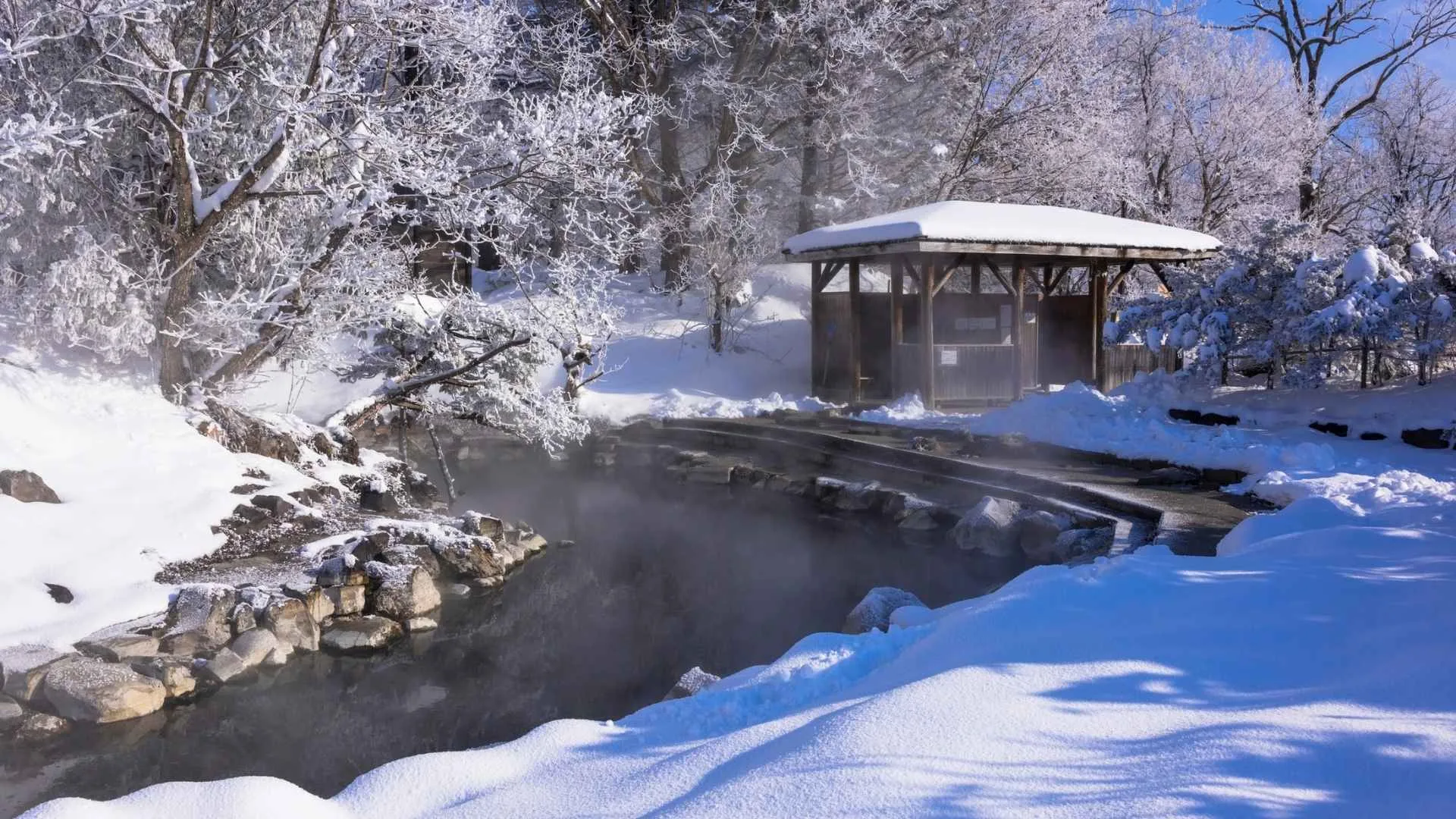
The appeal of a great hot spring is almost always tied to how hard it is to reach. The mineral pools that make it onto serious soakers’ bucket lists tend to sit at the end of long mountain roads, on volcanic islands, or deep inside national forests far from any major airport. That remoteness is the point. It is also, increasingly, the problem.
For a growing number of wellness travellers, the journey to a remote geothermal retreat has become the least relaxing part of the trip. Multiple commercial connections, long drives from distant hub airports, rigid airline schedules and the recovery time that follows can swallow the first two days of a wellness break before the traveler has set foot in the water. In response, a small but rising share of soakers are rethinking how they reach the more inaccessible destinations, and private aviation is part of that conversation.
Why the best springs are the hardest to reach
The geography of great hot springs is unforgiving by nature. Iceland’s most rewarding geothermal areas sit well outside Reykjavik. The Idaho and Montana backcountry springs require long drives from regional airports. Japan’s finest onsen towns are tucked into mountain valleys. The Chilean and Patagonian thermal pools are genuinely off-grid. The very qualities that make these places worth visiting, their isolation and their lack of crowds, are the same qualities that make them awkward to reach on commercial schedules.
For travellers with the means and the inclination, brokerages such as Global Charter, a private jet specialist with offices in London, Miami Beach, Beverly Hills, Toronto and Dubai, report rising interest in charter flights to smaller regional airfields that sit much closer to these remote destinations than the major commercial hubs do. A light jet can often land at a regional airport within a short drive of a backcountry spring, turning a two-day journey into a half-day one. For travellers reaching genuinely off-grid destinations, on-demand jet charter offers the flexibility to fly into the field that sits closest to the spring rather than the one the airlines happen to serve.
The practical advantages for wellness trips
The case for chartering to a wellness destination is less about luxury than it might first appear. The genuine advantages are practical, and they map closely onto what makes a wellness trip restorative in the first place.
Smaller regional airports near remote springs are frequently unserved or barely served by commercial airlines. Private charter can access many of these fields directly, removing the long transfer drive that often follows a commercial arrival. Flexible departure timing means a traveller can leave when it suits the body rather than when the airline schedule dictates, which matters for a trip whose entire purpose is rest and recovery. And for groups travelling together to a retreat, a single private aircraft can carry the whole party directly, avoiding the fragmentation of multiple commercial bookings.
There is a wellness argument in the travel itself. Arriving at a remote spring rested rather than depleted from a punishing multi-leg journey changes the quality of the entire experience. The point of soaking in geothermal water is restoration. Spending the first two days of the trip recovering from the journey to reach it undermines the whole exercise.
Keeping it in perspective
None of this is to suggest that private charter is the only way, or even the usual way, to reach a great hot spring. The vast majority of the world’s finest soaking destinations are entirely accessible by car, by commercial flight and regional drive, or on foot for those willing to hike in. Part of the joy of hot spring travel is precisely its accessibility and its connection to the landscape, and there is something to be said for earning the soak through the journey.
For most travellers, careful planning, sensible routing and a willingness to drive the last stretch will reach almost any destination on the map. Private aviation simply offers one more option for those reaching the most remote retreats, travelling in larger groups, or working within tight time constraints who want to preserve the restorative purpose of the trip from the moment they leave home.
The water at the end of the journey is the same either way. What charter changes, for those who choose it, is how much of the traveller’s energy is left to enjoy it.