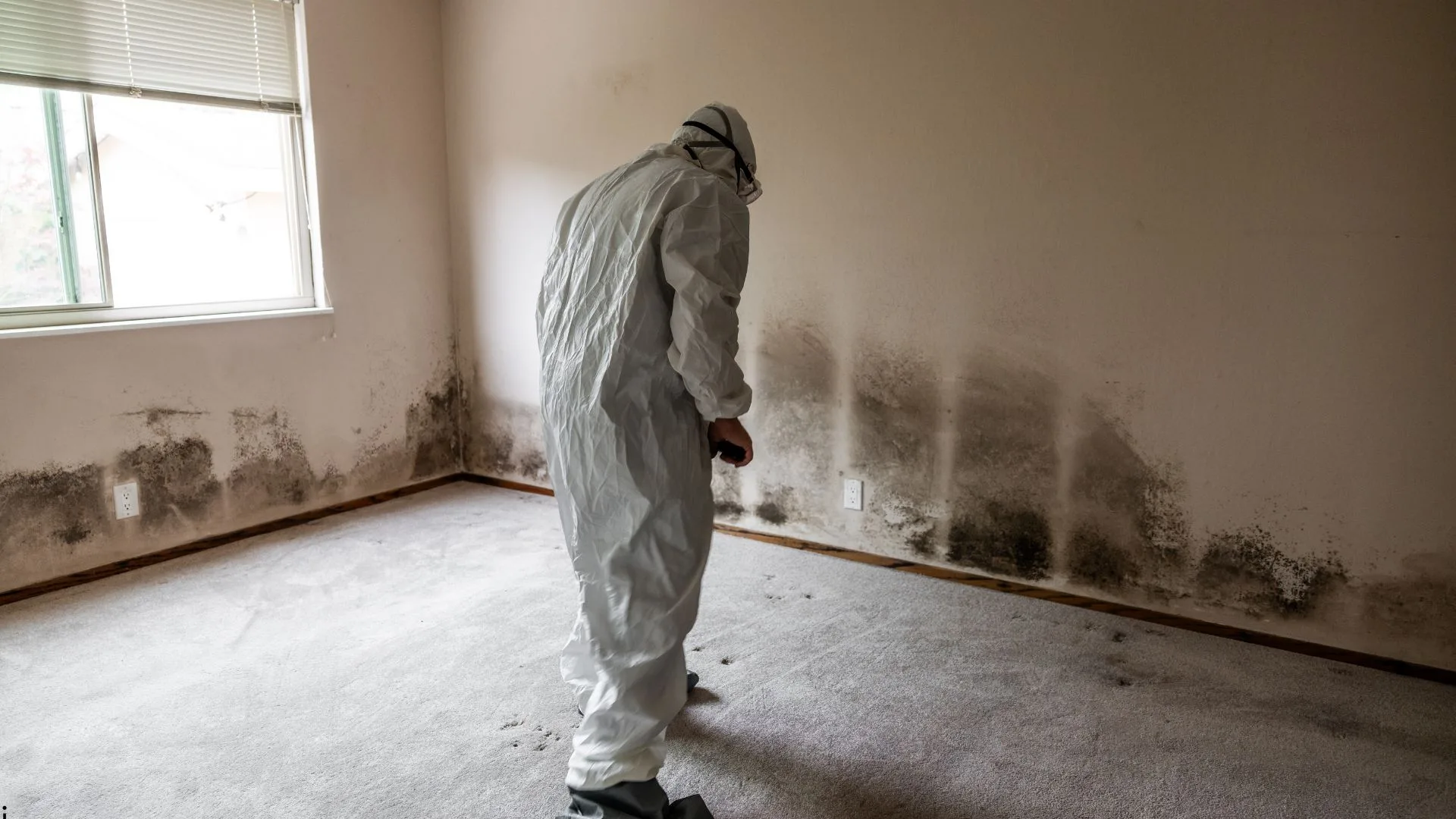
Mold doesn’t announce itself. It grows behind drywall, under flooring, and inside attic rafters long before most homeowners notice the smell or see the stains. By the time you’re searching for help, the situation is already urgent, and that urgency can push you toward the first company that answers the phone. Choosing a mold remediation company in Raleigh, NC, deserves more thought than that.
Raleigh’s humid subtropical climate puts it among the most mold-prone metro areas in the Southeast. Any company tackling moisture problems here needs genuine local experience, reliable methods, and straight talk. Here are five things to check before you hire anyone.
Verified Certifications from Recognized Industry Bodies
Certifications tell you whether a company meets a professional standard or just printed a logo on a truck. The first concern any homeowner should address is credentials. Companies holding IICRC (Institute of Inspection, Cleaning and Restoration Certification) credentials have completed standardized training in containment, removal, and safety protocols, and this is one factor to consider when researching mold remediation services in Raleigh, NC and comparing options. Look also for NORMI (National Organization of Remediators and Mold Inspectors) or NADCA certification, especially if HVAC systems are involved. These aren’t marketing badges. They represent documented, tested knowledge of industry-accepted remediation procedures, which matters a great deal when dealing with something that affects indoor air quality.
Why Credentials Protect You Beyond the Job Itself
A certified company carries liability and isn’t likely to cut corners that could result in mold returning in three months. Certification bodies hold members to ongoing standards, which means the company has an incentive to do the work correctly. If a contractor can’t produce documentation of their credentials on request, that alone should give you pause. Ask directly. A reputable company will hand you the paperwork without hesitation, and they’ll also carry proper insurance so you’re not liable if something goes wrong on the job site.
Real Experience with Raleigh’s Local Conditions
Mold behavior differs by region. A company that relocated from a drier climate may not fully understand how Raleigh’s summers, with average humidity above 70% according to the National Weather Service’s 2025 data for the Triangle, create persistent moisture problems in crawl spaces and attics. You want a company with years of local project history. Ask how many jobs they’ve completed in Wake County and what types of properties they’ve treated. Contractors who’ve spent years in this market know which building materials local homes use, how the soil drainage patterns affect basement moisture, and which neighborhoods tend to see recurring crawl space issues after heavy rain.
How the Triangle’s Climate Creates Specific Mold Challenges
Hot summers combined with mild but persistently damp winters mean mold never really gets a seasonal breather in the Triangle. Attic condensation, particularly in older homes where ventilation is poor, runs rampant from April through October. Crawl spaces across Raleigh properties also battle ground moisture intrusion that a company unfamiliar with the region might easily mistake for a plumbing leak. Local knowledge speeds up diagnosis and sharpens accuracy. But watch out: some contractors pitch themselves as local outfits when they’re actually regional franchises with thin Triangle-specific experience. Ask them directly how long they’ve worked in Raleigh, and push for references from nearby neighborhoods.
A Process That Addresses the Moisture Source
Spraying antimicrobial solution on a visible mold colony and calling the job done is something any outfit can pull off. That approach guarantees a comeback. What sets real remediation apart from a cosmetic fix is whether the company finds and corrects the moisture source before touching anything else. The process needs to include moisture meter readings, possibly infrared camera scans for hidden dampness, and a plain-language explanation of where the water’s coming from. Without fixing the source, you’re just paying for temporary results. Ask every company you’re considering to walk you through their process, step by step; if they jump straight to removal without mentioning source identification, that’s a red flag worth heeding.
Source Identification vs. Surface Cleaning
Surface cleaning removes visible growth. Source remediation removes the conditions that created the growth in the first place. A proper remediation plan includes:
- Containment with plastic sheeting and negative-air barriers to prevent spores from spreading
- HEPA-filtered air scrubbers run throughout the project
- EPA-registered antimicrobial treatments applied after physical removal
- Identification and correction of the moisture pathway, whether that’s a leaking pipe, poor attic ventilation, or ground moisture intrusion in a crawl space
A company that follows all of these steps protects you from recurrence. One that skips containment or doesn’t use HEPA filtration puts the rest of your home at risk during the removal process itself.
Honest Testing and Documented Results
You deserve hard proof that the work actually succeeded. Before remediation starts, a credible company runs baseline testing to document the type and concentration of mold present. Once the job wraps, post-remediation clearance testing confirms that spore counts dropped back to acceptable levels. Some companies skip that final test because it costs time and occasionally exposes unfinished work. Don’t hire them. Request written documentation covering both pre-remediation and post-remediation air quality results, and walk away if a company pushes back or claims it’s unnecessary. Choosing a mold remediation company in Raleigh, NC, means choosing one that backs its work with data, not just promises made on the doorstep.
What Clearance Testing Actually Confirms
Clearance testing uses air sampling or surface samples, analyzed by an independent laboratory, to confirm that mold levels inside the treated area match or fall below outdoor baseline levels. This matters for several reasons. It protects your health by confirming the air is actually safe. It also protects you legally and financially, particularly if you’re selling the property or filing an insurance claim. Some companies use in-house testing, which creates an obvious conflict of interest. The better approach is independent third-party lab analysis. Ask which lab the company uses and whether you’ll receive the actual lab report. A company confident in their work has no reason to withhold that documentation.
Clear Communication and Realistic Response Times
Mold grows fast. A company that takes four days to return your call isn’t built for the urgency most mold situations require. Look for a contractor that offers a same-day or next-business-day response guarantee, provides free initial consultations, and gives you a written quote before any work begins. Communication style also matters. A trustworthy company explains what they found, why it happened, and what they plan to do in plain language. They don’t use technical jargon to obscure bad news or upsell services you don’t need. If the estimator avoids direct answers or hedges when you ask about timeline and cost, that behavior doesn’t improve once work begins.
Signs of a Company That Respects Your Time
Good companies show up on time, communicate changes in scope promptly, and don’t disappear mid-project. Before you hire anyone, check:
- Whether they offer emergency or weekend availability
- How quickly they can provide a written estimate after an inspection
- Whether they have consistent reviews mentioning clear communication and on-time arrivals
- Whether they provide a point of contact throughout the project, not just an initial salesperson
Responsiveness during the quote phase is usually a good preview of how they’ll handle the job. So pay attention to how they treat you before any money changes hands.
Conclusion
The right answer to what to look for when choosing a mold remediation company in Raleigh, NC comes down to credentials, local knowledge, a thorough process, documented results, and honest communication. Don’t let urgency shortcut that evaluation. Ask hard questions, request documentation, and trust your gut when a company hedges or oversimplifies. The companies worth hiring will welcome those questions.