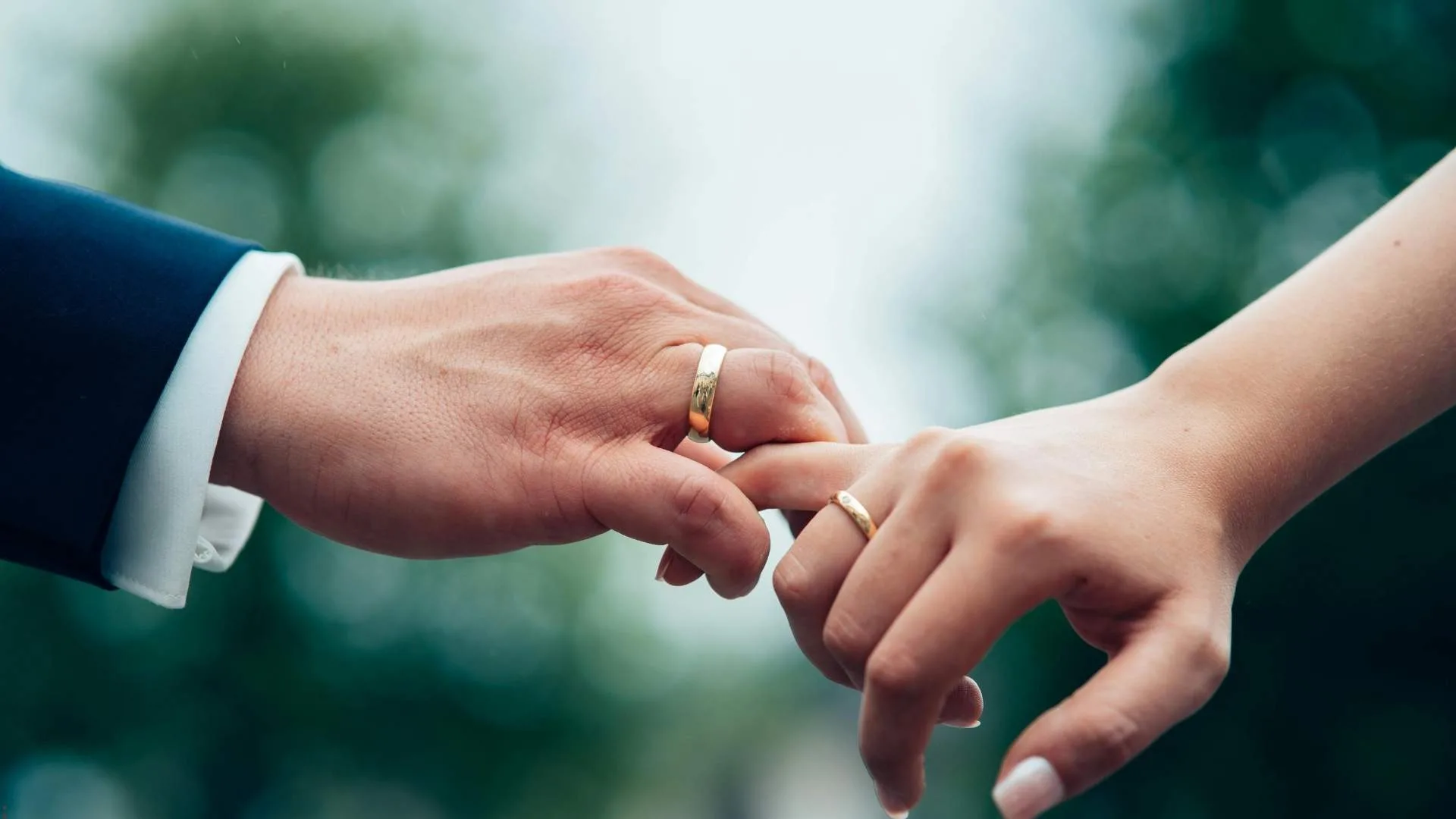
Packing for a trip is stressful enough without wondering whether your ring survives it. If you’re engaged and planning to travel, whether that’s a honeymoon, a gap year, or just a weekend hike, the ring on your finger needs to handle more than dinner reservations and photos.
Setting Matters More Than You Think
A prong setting looks gorgeous on a dinner table. It’s a different story on a rock scramble or a beach where sand gets into everything. Prongs snag on fabric, catch on straps, and loosen over time with repeated knocks. If you’re the type who hikes, swims, or spends a lot of time with your hands doing things, a bezel or flush setting protects the stone by wrapping metal around its edge rather than leaving it exposed on thin claws. It’s a small design choice that saves you a lot of anxiety at altitude or underwater.
The Case for Lower-Profile Stones
Traditional round or princess cut diamonds sit up high, which is stunning but also more likely to catch on things. Elongated cuts sit differently on the hand and tend to feel less obtrusive during active days. This is where a lot of couples end up looking at alternative shapes altogether. If you want something that reads as a statement piece but sits closer to the finger and handles daily wear better, it’s worth taking a look and you can discover East-West Rings at Cullen, where the stone is set sideways rather than in the usual north-south orientation. The horizontal setting changes how light catches the stone and, practically speaking, keeps the profile lower so it’s less prone to catching on gloves, jacket cuffs, or backpack straps.
Metal Choice Changes Everything on the Road
Platinum is the workhorse here. It’s denser than gold, scratches less visibly (the metal displaces rather than chips away), and doesn’t tarnish, which matters if you’re somewhere humid or near saltwater for weeks at a time. White gold looks similar but needs rhodium replating every year or two, and that’s not something you want to chase down mid-trip in a foreign country. If you’re set on white gold for cost reasons, fine, just know the shine won’t last the whole trip the way platinum’s will.
Insurance Before You Book Flights
Most home and contents policies cap jewellery cover at a few thousand dollars, which won’t touch a decent engagement ring. Get it independently valued and insured before you leave, not after something happens. Look for a policy that covers loss, theft, and accidental damage while overseas specifically, because plenty of standard policies quietly exclude international cover unless you ask.
Travel Habits That Actually Protect the Ring
Take it off for anything involving cold water, since fingers shrink in the cold and rings slip off easier than people expect. Keep a small, zippered pouch in your carry-on rather than checked luggage. And photograph the ring with its receipt or valuation certificate before you go. If it’s ever lost or stolen, that photo makes the insurance claim faster and gives border authorities something concrete if you’re questioned about the piece on the way through customs.
None of this means leaving the ring at home. It just means choosing one built for the trip you’re actually taking, not the one sitting in a display case.