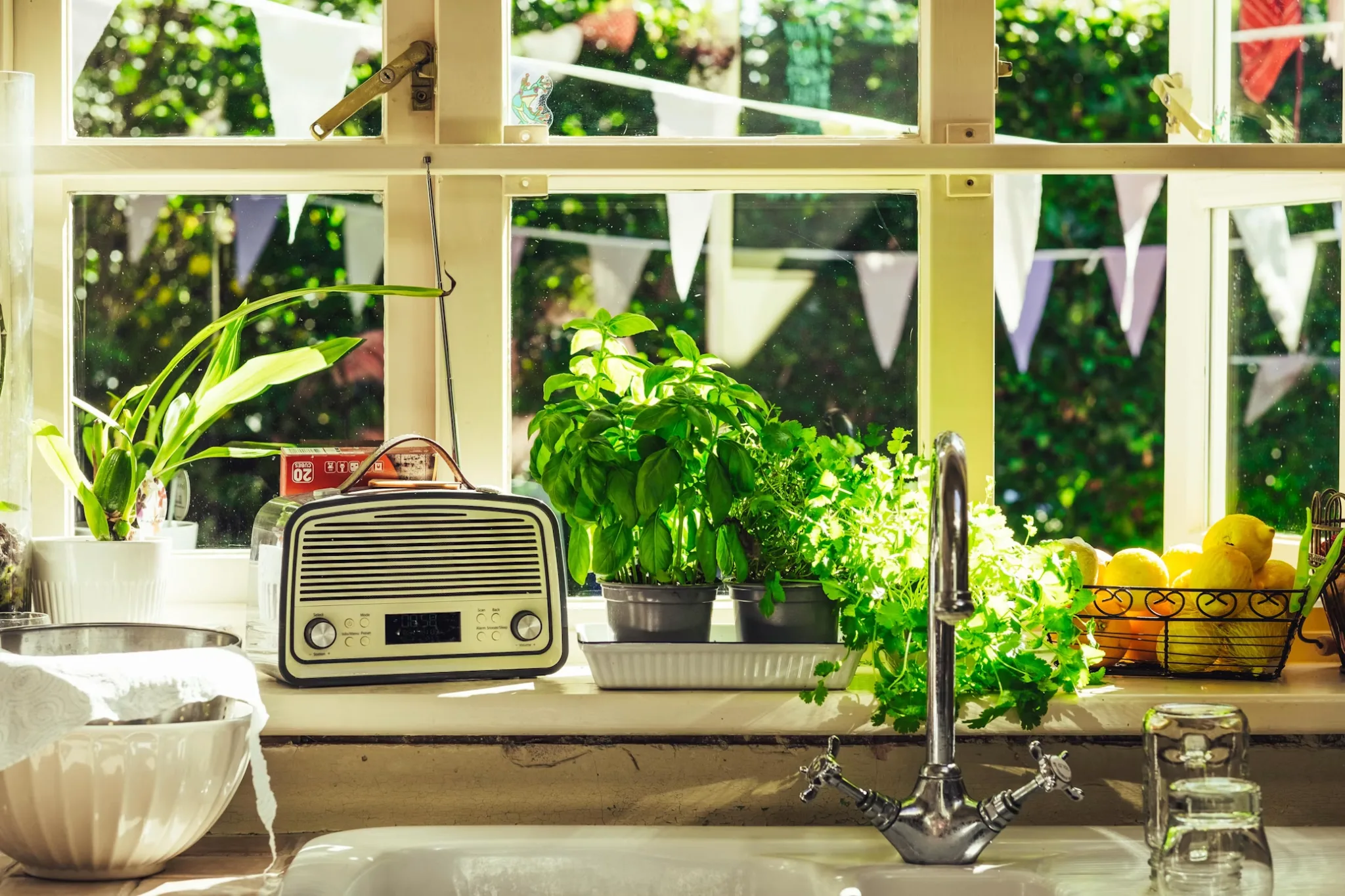
Preparing for a hot spring getaway usually means thinking about where you’re going, what you’ll pack, and how you’ll spend your time once you arrive. But there’s one part of a relaxing trip that’s easy to overlook: preparing your home before you leave.
A few sustainable choices around your home and garden can make the space easier to maintain while you’re away. You don’t have to change everything at once. Small adjustments, from reducing unnecessary energy use to choosing low-maintenance plants, can help you create a home that’s both welcoming and easier to manage. That means fewer chores waiting for you when you return and more time to enjoy your getaway.
Reducing Your Carbon Footprint
Before leaving for a hot spring getaway, these small changes can also help you avoid wasting energy while your home is empty. Your carbon footprint is basically all the greenhouse gases your actions create. That might sound like a big idea, but reducing it often starts with simple, everyday habits at home. Many of these changes can also help lower your energy bills.
One of the easiest places to begin is with how much energy you use. Swapping to LED lightbulbs is a simple change that can significantly reduce energy use compared with traditional incandescent bulbs, and LED bulbs also tend to last much longer. You can go a step further by unplugging electronics and chargers when you’re not using them. Many devices still pull “phantom” power even when they’re off. A smart thermostat can also make a big difference. It learns your schedule and adjusts the temperature automatically, so you’re not heating or cooling an empty house.
Beyond energy, think about your trash. Composting food scraps, coffee grounds, and yard trimmings turns them into nutrient-rich compost for your garden soil. Using compost can reduce the need for some fertilizers while keeping organic waste out of landfills, where it can contribute to methane emissions. When you shop, pay attention to packaging. Try to pick products with less packaging or materials that can be recycled. These sustainable living tips are all about being more aware of what we use and what we throw away.
Smart Tools for Green Spaces
Keeping a green lawn and a lively garden often means a lot of effort and a bunch of tools. Traditionally, many of these tools ran on gasoline, which added to air and noise pollution in our neighborhoods. New technology also offers quieter, lower-emission options that can make garden care easier while reducing reliance on petrol-powered equipment.
Moving towards electric and battery-powered gear is a big step forward. Tools like electric leaf blowers, string trimmers, and mowers produce no direct emissions during use and are generally quieter than petrol-powered alternatives. This makes for a more peaceful weekend for you and your neighbors. Modern battery-powered tools can provide enough power and run time for many residential yards, without the need for extension cords or gasoline.
Automation can also make your garden easier to manage when you’re away on a hot spring getaway. For example, a robotic mower can make routine lawn care easier to manage. Many robotic mowers can operate according to a set schedule, reducing the amount of hands-on mowing you need to do. That can be particularly useful when you’re preparing to leave for a hot spring getaway because you can spend less time fitting lawn care into your schedule and more time getting ready for your trip. Solar-powered garden lights are another practical option. They use the sun’s energy to light up your paths at night without adding to your electricity bill.
Water Conservation for Landscapes
Preparing your garden for a longer trip can also help you conserve water while you’re away. Water is one of our most important resources, and in many places, it’s getting harder to find. A significant amount of household water can go toward outdoor landscaping, especially during hot weather. Using smart, water-saving gardening methods can reduce water use, lower costs, and help create a garden that thrives in your local climate.
One of the best ways to save water is to plan your garden with that in mind. This could mean putting plants with similar water needs together or adding hard surfaces like paths and patios to reduce how much thirsty grass you have. Putting a thick layer of organic mulch, like wood chips or shredded leaves, around your plants is another key step. Mulch helps the soil stay moist, stops weeds that compete for water, and keeps the soil temperature steady.
How you water also makes a difference. Watering deeply but not too often encourages plants to grow deep roots, which helps them handle dry periods better. The best time to water is early in the morning before the sun gets too strong. This way, less water evaporates. Instead of using a sprinkler that sprays water everywhere and can lose a lot to wind and evaporation, think about installing a drip irrigation system or using soaker hoses. These methods deliver water right to the base of the plants, exactly where it’s needed. You can also learn how to conserve water in your yard by setting up rain barrels to collect water from your roof. This gives you a free source of water for your garden. These environmentally friendly practices can help create a healthier and more sustainable outdoor space.
Embracing Native Plant Species
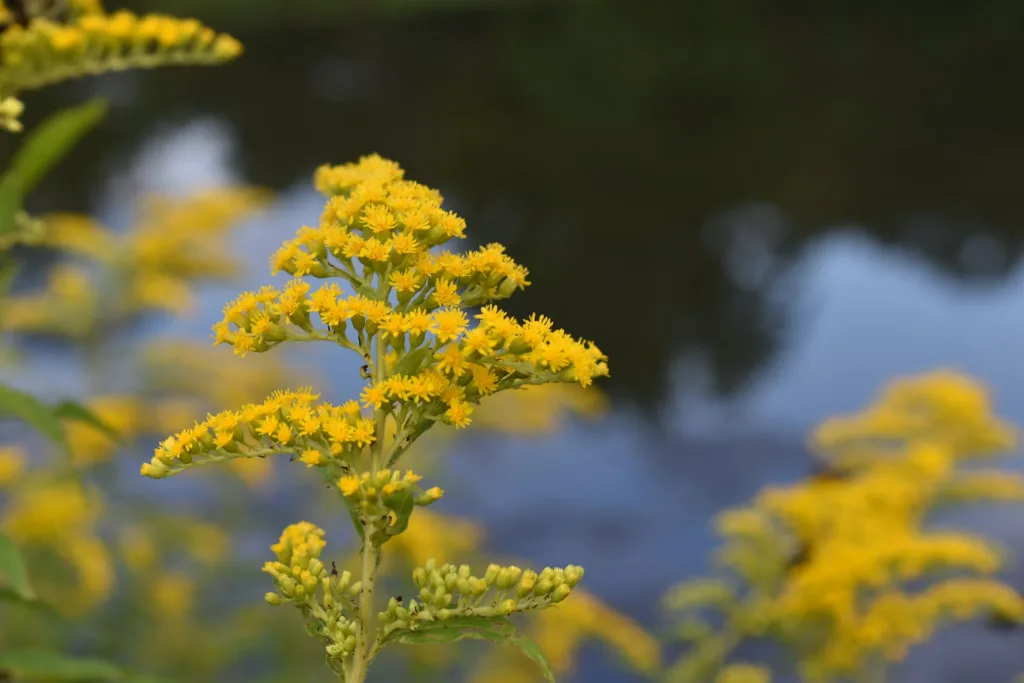
Picking the right plants is central to sustainable gardening. While beautiful exotic plants from far away might catch your eye, they often need a lot of extra care to survive in a new environment. Native plants, on the other hand, are species that occur naturally in your region and are adapted to its local conditions. Their suitability for the local climate and soil can make them a practical, low-maintenance choice for many gardens.
For travelers, a low-maintenance landscape can also mean less preparation before leaving home and fewer gardening tasks upon return.
Since they’re already adapted to your region, native plants often need less water and fertilizer than non-native ones. Once they’re settled, many can thrive just with natural rainfall, so you don’t have to water them as much. This adaptability makes them a useful part of sustainable gardening practices that can help gardens cope with changing weather conditions.
Besides being practical, native plants can also play an important role in local ecosystems. They provide vital food and shelter for local wildlife, like birds, butterflies, bees, and other pollinators. For instance, milkweed is essential to monarch butterflies because their caterpillars rely on milkweed plants for food. By adding native flowers, shrubs, and trees to your yard, you’re helping to create a “living landscape” that boosts biodiversity and brings back a piece of your region’s natural heritage. You can find lists of plants native to your area through local botanical gardens, conservation groups, or your university’s cooperative extension office.
Creating a more sustainable home and garden is an ongoing process that involves learning and making small improvements. Making conscious choices helps you build a beautiful space that not only brings you joy but also contributes positively to the world around you. Once you’ve created a space that is easier to maintain and better suited to your lifestyle, you can spend less time worrying about chores and more time enjoying what helps you relax. Whether that’s an afternoon in your own garden or planning your next hot spring trip, a more thoughtful home can give you more room for both.