Jet lag and travel fatigue can ruin a luxury wellness retreat before it even begins. Here is how managing your light exposure can improve your travel rest.
Long flights across multiple time zones often drain your physical energy before arrival. Getting optimal rest while traveling across time zones or sleeping in unfamiliar hotel rooms remains a major hurdle when you want to protect your personal wellbeing. Unnatural lighting patterns leave you feeling exhausted, irritable, and disconnected from your schedule.
Preparing your body for restorative rest requires intentional gear and clear habits that protect your natural cycles. When you control your sensory environment from departure gate to hotel check-in, you arrive alert and ready to enjoy your journey.
Why Does Cabin Lighting Disrupt Your Internal Clock?
Airlines build cabin lighting for staff routines rather than biology. Overhead fixtures beam cool, blue-heavy wavelengths during hours when your brain expects darkness. This conflicting signal confuses your biological rhythm and delays bedtime hormones.
Data from the Cleveland Clinic shows that crossing more than 3 time zones triggers acute jet lag symptoms because your body clock cannot sync instantly with local hours. Harsh cabin glare worsens this disruption by transmitting alert signals to your optic nerve. Your brain stays awake while your body demands recovery.
You can counteract this friction by resetting your watch to destination time upon boarding. Lower your seat monitor brightness, recline slightly, and cue your nervous system for sleep.
How Do Airport Screens Derail Your Rest Before Boarding?
Departure terminals surround travelers with digital displays, flight boards, and commercial monitors long before boarding starts. Moving through this intense illumination blocks natural evening sleepiness. You board the plane in an alert state.
Research from the Sleep Foundation confirms that artificial evening lighting hinders smooth transitions between deep and light sleep stages. Your rest becomes fragmented after spending pre-boarding hours near glowing screens. That disrupted cycle explains why brief plane naps rarely feel refreshing.
Shield your eyes by waiting in dimmer lounge corners far from large video billboards. Switch your handheld devices to dark mode and lower screen backlights whenever you read boarding alerts.
What Should You Pack for Darker Hotel Sleep Hygiene?
Hotel rooms introduce unpredictable light leaks that compromise post-flight recovery. Bright LED indicators on televisions, smoke alarms, and thermostats glow through the night. Thin window curtains frequently fail to block bright streetlights, waking you prematurely at dawn.
Packing a small rest kit helps you construct a dark sanctuary in any room:
- Pack dark painter tape: Small squares cover glowing electronics without peeling hotel finishes.
- Carry magnetic drapery pins: Simple metal clips fasten loose curtains to block early sunbeams.
- Add portable white noise: Compact audio units mask hallway footsteps and street commotion.
Transforming your room into a blackout retreat tells your brain that deep rest is safe. Keep the thermostat near 66 degrees Fahrenheit to support physical relaxation.
How Can Amber Lenses Shield Your Evening Melatonin?
Synthetic cabin lights carry concentrated blue wavelengths that trick your pineal gland into suppressing melatonin. Wearing certified night-time glasses filters out these disruptive short wavelengths so your body winds down on schedule. Putting them on 2 hours before your target bedtime creates a sunset effect behind your eyes.
Standard sunglasses darken your view without blocking the specific blue spectrum that disrupts sleep cycles. Amber lenses target the 400 to 500 nanometer spectrum that stimulates awake signals in ocular receptors. This filtration allows steady hormone production under overhead reading lights.
Keep these glasses in your personal carry-on pouch for easy access after dinner service. Pair them with relaxing instrumental tracks to calm your mind before sleep.
How Can Daylight Accelerate Your Recovery After Landing?
Your biological clock needs clear environmental cues to adapt to a new time zone. Hotel room lamps cannot duplicate the rich spectrum of morning daylight required to reset your circadian timing. Seeking natural sunshine shifts your internal clock to local hours.
Medical findings from the Mayo Clinic show that direct sunlight exposure serves as the most effective natural tool for resetting your sleep-wake cycle. Stepping outside prompts hormone production that clears lingering mental fatigue. Spending 20 minutes in an outdoor park helps your body match the local morning.
Plan a short morning walk after arrival instead of taking a lengthy daytime nap. Exposure to early light keeps you awake until a normal local bedtime.
Why Do You Need a Contoured Eye Mask?
Airlines provide flat fabric sleep masks that press against your eyelids and let light leak through the nose opening. This constant pressure interrupts rapid eye movement cycles and makes rest fragile. A molded 3D eye mask creates a dark chamber that protects your eyes comfortably.
Upgrading your travel gear gives you control over your personal sleeping environment:
- Choose domed eye cavities: Deep contours let your eyes move freely without pressing against eyelashes.
- Select smooth silk materials: Soft natural fabrics protect delicate skin and preserve hydration in dry cabins.
- Secure broad elastic straps: Wide bands distribute tension evenly around your head without pulling hair.
Complete darkness signals your brain to turn off awake circuits during the flight. Combine your mask with soft earplugs to rest through cabin service noise.
How Do You Build a Seamless In-Flight Bedtime Routine?
Long journeys need predictable routines so your brain recognizes when to sleep. Flicking through seatback entertainment keeps your senses stimulated with bright lights and sound. Establishing a quiet ritual helps your nervous system settle amid cabin distractions.
Start your wind-down ritual by washing your face and applying facial lotion 30 minutes before resting. Drink clean water rather than alcohol or sugary sodas, which dehydrate your system and disturb sleep quality. Tuck digital electronics away to remove evening temptation.
Slip on warm wool socks and adjust your neck cushion for balanced support. Taking slow, controlled breaths lowers your pulse and invites restorative slumber in your seat.
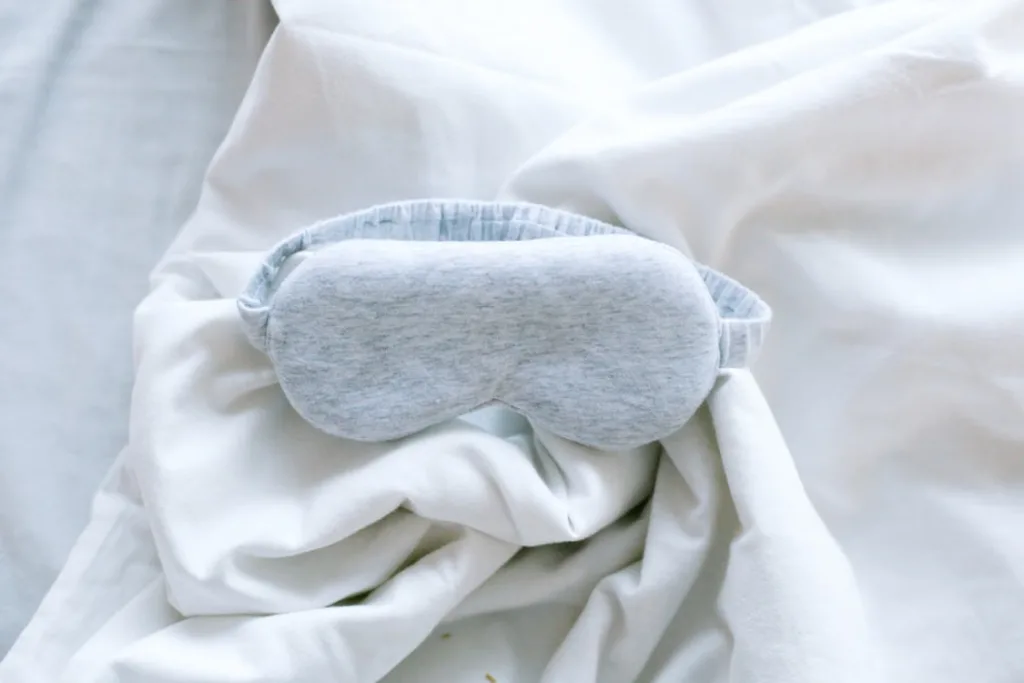
Taking proactive charge of your light exposure transforms long-haul flights from exhausting hurdles into smooth transitions. Shielding your eyes from harsh cabin glare and filtering artificial screens gives your body the exact environmental signals it needs to thrive.
Travel should enrich your life without demanding days of sluggish recovery. Pack your light-management tools, protect your internal rhythm, and arrive at every destination refreshed and ready to explore.