European city breaks often promise beauty, culture, food, and history, but they can easily become exhausting. Many travelers arrive with a packed itinerary, rush between museums, cross town for dinner reservations, wake up early for day trips, and return home needing another vacation.
A restorative European city trip works differently. It still includes memorable landmarks, atmospheric streets, local meals, and cultural discoveries, but it gives the body and mind enough space to absorb them.
The goal is not to see less. It is to travel in a way that feels calmer, more intentional, and more connected to place.
Choose Cities That Support A Slower Rhythm
The first step is choosing destinations that naturally make relaxation easier. Not every city has to be treated like a checklist. Some places are better experienced through riverside walks, public gardens, thermal baths, quiet cafés, old neighborhoods, and scenic viewpoints rather than nonstop attraction-hopping.
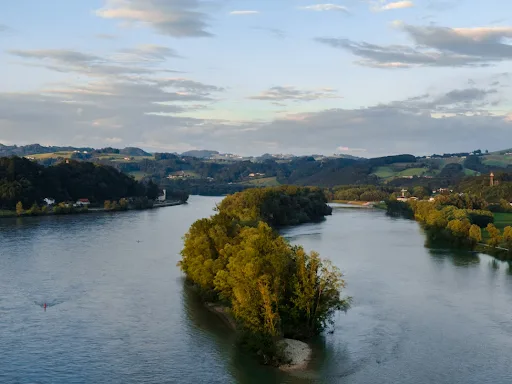
This is why European cities along rivers can work beautifully for restorative travel when they are connected by a slower route. A river-city planning guide that groups destinations along the Danube and Rhine is a useful example because it shows how cities such as Vienna, Budapest, Bratislava, Belgrade, Amsterdam, Cologne, and Strasbourg can be understood through waterways, walkable historic centers, and cultural atmosphere rather than only through airport transfers and rushed sightseeing.
When planning, look for cities with strong pedestrian areas, reliable public transport, green spaces, bath culture, riverfronts, and neighborhoods where wandering is part of the experience. A city that lets you move gently between your hotel, a market, a park, and a cultural site will feel more restorative than one where every activity requires a long commute.
Build The Trip Around Energy, Not Just Attractions
Most travelers plan by asking, “What should I see?” A better question is, “How do I want to feel each day?” That small shift changes the entire structure of the trip. Instead of planning three major attractions in one day, choose one main experience, one lighter activity, and one recovery window. For example, a morning museum visit can be followed by a long lunch and a quiet riverside walk. A historic walking tour can be balanced with an afternoon in a spa, garden, or hotel wellness area. A food market visit can replace a crowded evening reservation if your energy is low.
This approach is especially helpful in cities with deep cultural layers. Places like Vienna, Budapest, Prague, Paris, Florence, and Amsterdam reward attention. If you rush through them, the details blur. If you move more slowly, the architecture, music, food, courtyards, river views, and local routines become part of the memory.
A restorative itinerary should have space on purpose. Leave two or three hours unplanned each day. That time may become a nap, a spontaneous café stop, a bookstore visit, or simply a slower walk back to your hotel.
Stay Somewhere That Helps You Recover
Accommodation has a major effect on whether a city trip feels restorative or draining. A hotel or apartment should not only be a place to sleep. It should support recovery after long walks, busy streets, and sensory overload.
Choose a location that reduces friction. Staying near the old town, riverfront, central transport, or a calm residential district can save time and energy. A cheaper stay far outside the center may look practical at first, but repeated commuting can make the trip feel heavier.
Look for simple wellness-supporting features: a comfortable bed, good soundproofing, natural light, blackout curtains, air conditioning in summer, heating in winter, and enough space to unpack properly. If the budget allows, a spa, sauna, pool, or quiet courtyard can make a real difference. Even a small balcony or nearby park can become part of your daily reset.
For longer trips, consider staying at least three nights in one city. Two-night stays often create a cycle of arrival, unpacking, sightseeing, repacking, and leaving. Three or four nights allow the destination to settle around you.
Use Water As A Natural Reset
Water has always shaped travel, and in European cities, it can become one of the easiest ways to slow down. Rivers, canals, lakes, fountains, bathhouses, and thermal pools all create natural pauses in an urban itinerary.
Budapest is one of the clearest examples because thermal bathing is part of the city’s identity. But the principle works elsewhere, too. In Amsterdam, canals soften the pace of the city. In Basel or Strasbourg, river walks can become a quiet break between cultural stops. In Vienna, parks and riverside areas offer space after museums and palaces. In coastal or lakeside cities, even a short walk near the water can shift the mood of the day.
You do not need to make every water-based experience elaborate. A morning walk beside a river, a quiet bridge crossing at sunset, a public bath visit, or an hour reading near a canal can help the trip feel less compressed. Water gives the day a natural rhythm: movement, pause, reflection, and return.
Eat In A Way That Keeps You Comfortable
Food is one of the best parts of European travel, but it can also become tiring when every meal is treated like an event. Restorative travel does not mean avoiding indulgence. It means eating in a way that supports the day instead of overwhelming it.
Start with slower breakfasts. A calm morning meal helps prevent the rushed feeling that can follow you through the city. For lunch, consider markets, bakeries, simple local restaurants, or picnic-style meals in parks. Save heavier dinners for evenings when you do not have an early start the next day.
Hydration matters too, especially during summer city trips when walking, sightseeing, wine, coffee, and salty restaurant meals can add up. Carry water, take café breaks without guilt, and avoid planning long walks immediately after the heaviest meal of the day.
A restorative food plan also includes flexibility. Some of the best meals happen when you are not chasing the most famous restaurant, but choosing a welcoming place near where you already are.
Wrapping Up
A restorative European city trip is not about skipping culture, food, or sightseeing. It is about giving each experience enough space to feel meaningful. By choosing slower routes, comfortable stays, water-based pauses, and flexible meals, travelers can return home with memories that feel settled, not blurred by exhaustion or pressure.