Planning a dive trip to the Maldives can feel overwhelming. There are dozens of boats, routes, and seasons to weigh. This guide walks you through every planning step in plain terms. By the end, you will know how to book a trip that matches your goals and budget.
Understanding How a Dive Cruise Works
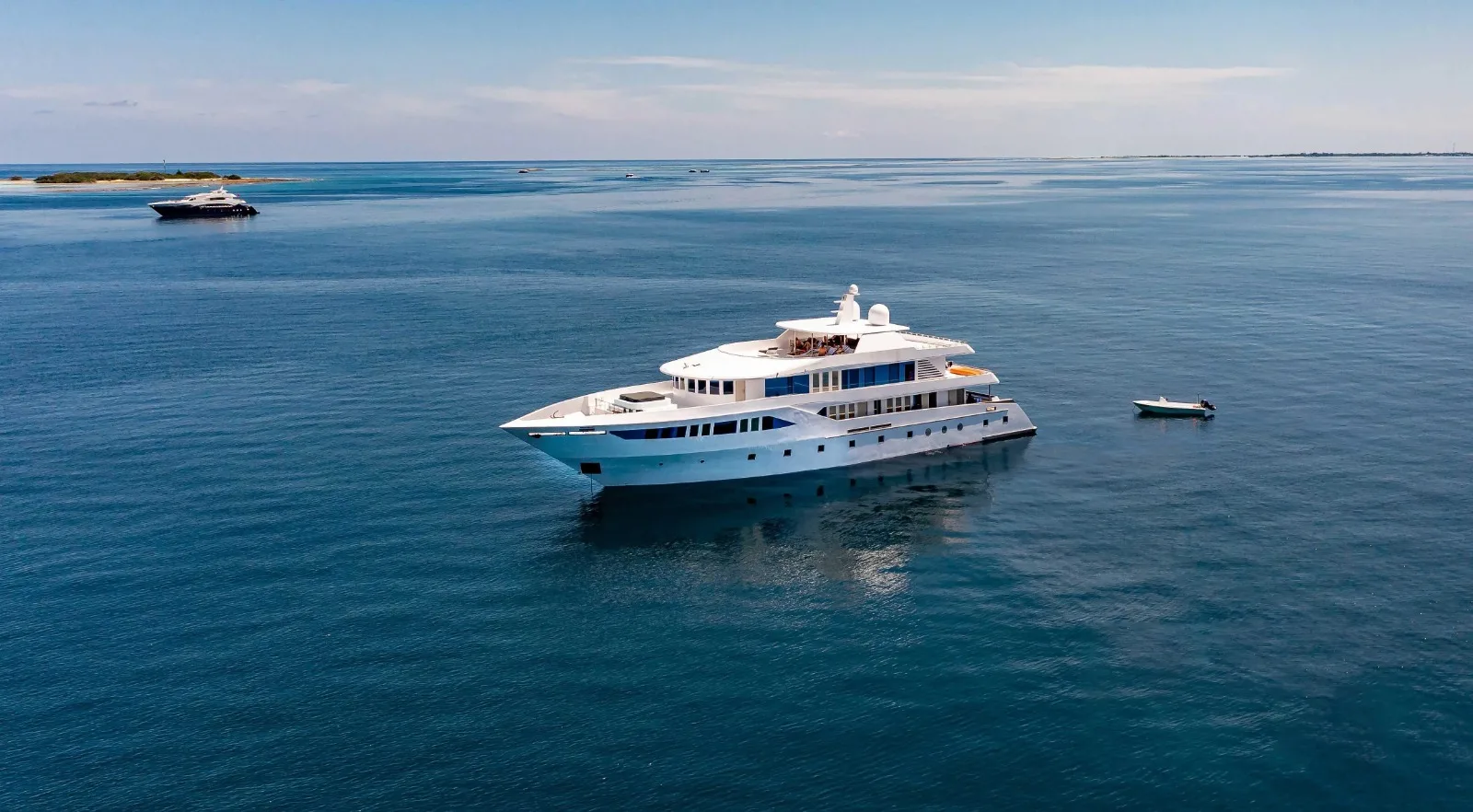
A dive cruise turns the boat into your hotel and your transport. You board once and explore many atolls without packing again. The crew handles the route, the timing, and the logistics.
Each morning you wake near a fresh dive site. You eat, dive, rest, and dive again. This rhythm gives you far more underwater time than any land stay.
For travelers from the USA or UK, this saves precious holiday days. You skip ferry hops and seaplane transfers between resorts. You simply dive.
Mapping Out Your Route Options
The Maldives stretches across hundreds of islands. Your route shapes the whole trip. Most operators offer a few core paths.
The Classic Loop
This route covers North Malé, South Malé, and Ari Atolls. It runs all year and suits most travelers. Expect manta cleaning stations, whale sharks, and lively channels.
Southern Shark Expeditions
These trips push toward Huvadhoo, Fuvahmulah, and Addu. They run mainly from February to April. Tiger sharks, hammerheads, and thresher sharks define this route.
Remote Northern Voyages
Fewer boats reach the far northern atolls. You trade easy access for quiet, pristine reefs. This path rewards divers who want solitude.
Match the route to the marine life you most want to see. A good operator will help you decide.
Picking the Right Length of Trip
Most cruises run 7 or 10 nights. The right length depends on your goals and travel distance.
A 7-night trip works for the classic loop. It fits divers with limited time off. You still log 18 to 20 dives.
A 10-night trip suits the southern routes. Longer voyages reach distant atolls without rushing. You gain more dives and richer encounters. For long-haul travelers, the extra nights are worth it.
How to Choose Your Operator
The boat matters, but the operator matters more. A strong team finds the best sites and keeps you safe.
Look for these signs of a quality operator:
- Years of real experience in Maldivian waters
- Local guides who read currents and conditions
- A flexible route that adapts to weather
- Clear safety briefings before each dive
- Honest, verified guest reviews
Booking through an experienced team takes the guesswork out of planning. Specialists in Maldives liveaboard trips shape each route around real-time conditions. That flexibility often decides how good your week turns out.
Budgeting for Your Trip
A clear budget prevents surprises later. Trip rates vary by boat tier and route length.
Most 7-night trips run between 2,000 and 3,500 USD per person. This covers your cabin, meals, and daily dives. Southern and luxury trips cost more.
Plan for these extra costs too:
- Domestic flights for southern routes
- Green Tax and marine park fees
- Nitrox and gear rental
- Dive insurance, which is required
- Crew gratuities
Add these figures early. A realistic total helps you compare boats fairly.
Timing Your Booking
The best boats sell out fast. Many fill six months or more before departure. Early booking secures your cabin and your dates.
Peak season runs from December to April. Demand spikes during these months. If you want a specific boat or route, reserve well ahead.
Last-minute spots do appear. But you give up choice and often pay more. Plan early whenever you can.
Getting to the Maldives
Almost all trips start at Velana International Airport near Malé. The airport code is MLE. Direct flights connect through Dubai, Singapore, Doha, and Colombo.
From the USA, expect a long journey with one or two stops. From the UK, flights run around 11 to 13 hours. Build in a buffer day before boarding to avoid delays.
Some southern routes need a short domestic flight. Book these early and check baggage limits with the local airline. Local baggage limits can be stricter than international flights, so checking carry-on luggage size before departure can prevent last-minute repacking.
Preparing for Life Onboard
Boat living is simple and social. You share meals and dives with a small group. Cabins are comfortable, with ensuite bathrooms and air conditioning.
Days follow an easy pattern. You dive, eat, relax on the sun deck, and dive again. Evenings bring briefings, sunsets, and good conversation.
Pack light, reef-safe items. Bring your own dive computer and mask. Add seasickness tablets if you are unsure about open water.
Travelling With a Non-Diver
Not everyone in your group has to dive. Many boats welcome snorkelers and non-divers. They can join island visits and shallow swims.
Some atolls offer incredible snorkeling. Mantas and whale sharks often feed near the surface. A non-diver can still share the magic of the trip.
Smart Tips for First-Time Cruisers
A little preparation goes a long way. These tips come from real diving experience.
- Arrive a day early to rest and clear customs
- Choose nitrox for longer bottom times
- Carry a surface marker buoy for drift dives
- Bring a reef hook for strong channels
- Confirm your certification meets the route’s rules
- Keep cash for tips and small fees
Each step removes stress and adds enjoyment. Small habits make a big trip feel effortless.
Frequently Asked Questions
How far in advance should I book a Maldives dive cruise?
Book at least six months ahead for peak season. Popular boats and southern routes fill quickly. Early booking secures your preferred dates and cabin.
What certification do I need for these trips?
Open Water works for the classic loop. Southern shark routes often need Advanced Open Water plus 100 dives. Good buoyancy control matters most in current.
How many dives will I get in a week?
Most week-long trips offer 18 to 20 dives. This includes night dives and channel dives. Ten-night trips can reach 27 or more.
Are these trips suitable for solo travelers?
Yes. Cruises are social by nature. You share dives and meals with a friendly group. Many solo divers make lasting friends onboard.
What happens if the weather changes?
Experienced crews adjust the route to suit conditions. This flexibility keeps diving safe and rewarding. It is a key benefit of cruising over resorts.
Is travel insurance necessary?
Yes. Dive-specific insurance is required before you enter the water. Cover like DAN is strongly recommended for every diver.
Final Thoughts
A Maldives dive cruise rewards careful planning. Choose the right route, match the trip length to your goals, and book early. Pick an experienced operator who adapts to conditions. Get these basics right, and your trip will deliver world-class diving you will never forget.