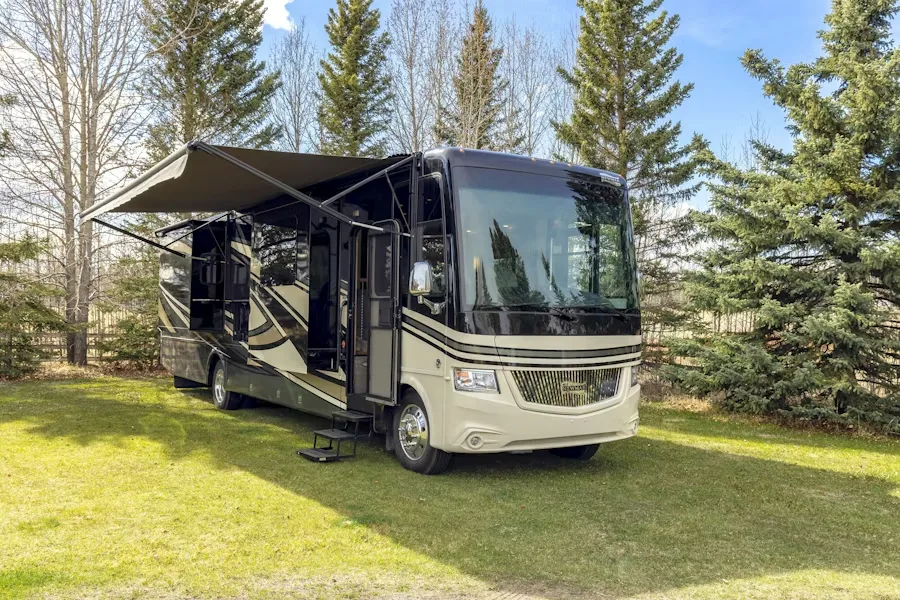
Not everyone is fortunate enough to be the proud owner of an RV. But for those who are, adventure is something that comes easily and, thanks to the RV itself, conveniently!
But, while the RV itself is a convenient machine to utilize when out exploring the great unknown, it can quickly become a hindrance for those who don’t have a huge amount of space in their driveway or garage to store it when not in use (which, for many, will be long periods of time) or have to keep it outdoors, exposed to the elements. Leaving such an expensive machine “as-is” after a trip without the proper care and attention it deserves will inevitably lead to some hefty repair bills and a delay in getting the thing moving again when you need it.
Fortunately, there are a few tips and tricks that can help the intrepid RV owner that will ensure their pride and joy remains in tip-top shape during the off-season and is ready to rock and roll as soon as the next one rolls around!
Pre-Storage Cleaning: Inside and Out
Preferably, you will want to keep your RV clean even when out on the road to minimize the amount of work you have to do when you get back and to keep it running effectively.
But even if you manage to remember to give it a spray down every once in a while when on the road, you will still need to engage in some pre-storage deep cleaning when you get back. The goal is to ensure that once you’ve placed your vehicle away in whatever Long-term RV storage option you use, you prevent long-term damage (that can be both cosmetic and structural) and ultimately protect your probably not insignificant investment. So, what is an RV owner to do, particularly as this is usually a far deeper clean than they might otherwise engage in? Well, you can either pay for someone to detail it for you, which is costly and takes time out of your day, or opt to do it yourself, which is actually far more therapeutic and enjoyable than most folks believe (not to mention that you can spot issues before they get worse, such as rust spots or other damage).
If you opt for the latter, you can split it between the exterior and interior.
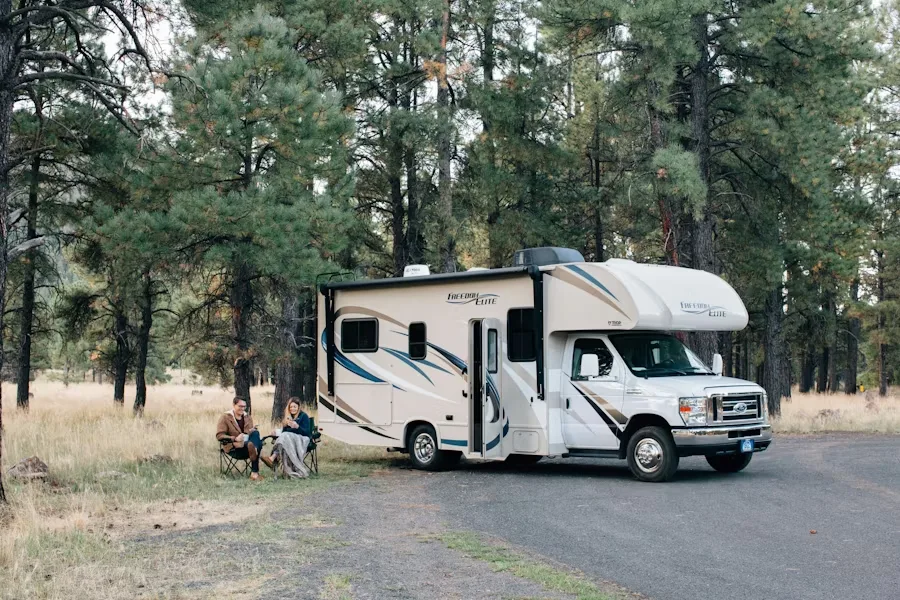
Image source: https://unsplash.com/photos/people-standing-near-white-rv-trailer-during-daytime-rg-YHCIyays
Clean The Exterior
Your first step is to either bring the vehicle to a dedicated car wash to use their facilities or dig out the old pressure washer.
- Spray off the dirt and soap it up: A pressure washer with decent pressure will remove most of the loose stuff, like the fine dust found in some locations, but you’ll still need a bit of elbow grease and get out the soapy sponge to really get into the nooks and crannies. Don’t forget about the roof, since this area is often forgotten about but receives a lot of damage from exposure to the elements, bird droppings, tree sap, and so on.
- Give it a coat of protective wax: Waxing a vehicle tends to be an afterthought for most because it’s a time-consuming task. But a fresh coat after the wash will keep it looking amazing and protect it when stored for a long time.
- Extend and clean any awnings: If your RV has awnings, don’t forget to bring them out and clean them per manufacturer recommendations.
Interior Deep Clean
For some, the experience is the most satisfying, while for others it’s the inside. Whatever your predilection, you must clean the interior as thoroughly as the exterior (even more so in some cases). This will vary depending on the size and style of your RV, but generally speaking, you’ll want to do the following:
- Remove all food items from storage
- Clean out the refrigerator and freezer thoroughly, and disconnect them
- Vacuum anything that needs it
- Wipe down all the surfaces with a quality cleaner/disinfectant
- Empty and clean all waste tanks to spec
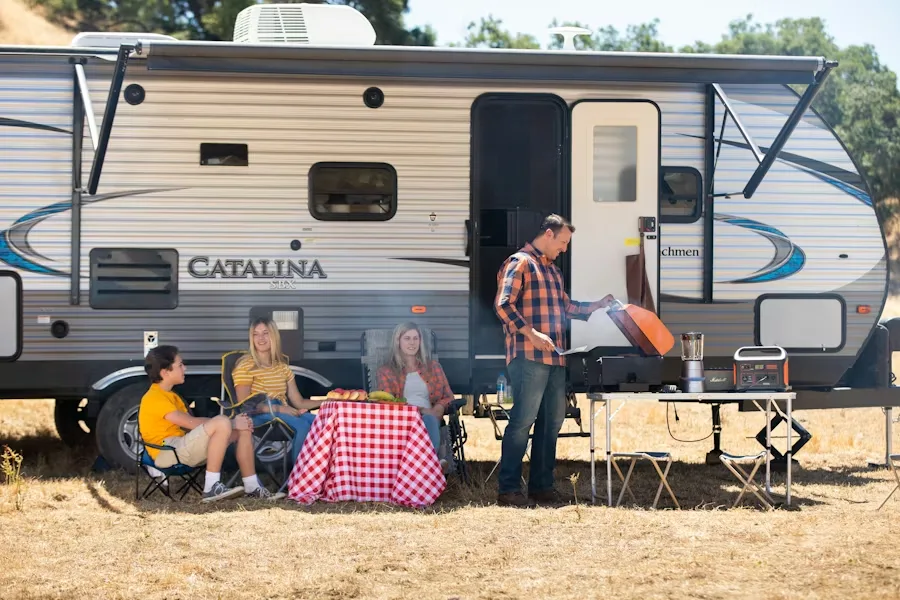
Image source: https://unsplash.com/photos/a-group-of-people-sitting-outside-a-camper-OGKaLGt1VYY
Protecting Your RV’s Systems
The fun doesn’t end once you’ve completed the deep clean. The next process is prepping all of the primary systems for long-term storage. The reason is that flushing out pipes and disconnecting electronics ensures they remain operational for longer and degrade far more slowly than they otherwise would.
| Category | Action |
| Plumbing | Drain all fresh, grey, and black tanksBypass the water heaterAdd specialist RV antifreeze to drains and toiletsProtect any outdoor shower connections and spigots |
| Electrical | Disconnect the batteriesUnplug all electrical itemsTurn off switches and/or circuit breakersCheck terminals and solar arrays |
| Propane | Turn off any propane appliancesClose main valvesPerform a final leak checkEnsure there is ventilation even when stored |
| HVAC | Remove, clean, and replace air filters if necessaryInstall an AC unit coverClose vents |
Tire and Mechanical Care
After completing the systems checklist, you can move on to the mechanical side of things. Most RVs will use internal combustion and be pretty heavy chunks of metal, rubber, and plastic that need the same love and care as all other parts. As such, your checklist will include the following:
- Tire protection: You should pump them up to the recommended PSI and use tire levelers to prevent flat spots from forming when stored in one position for a long time. If possible, you should try to check the pressure and condition monthly.
- Engine and generator maintenance: If you’re unsure about anything, call out a mechanic. But if you’re handy enough with some basic tools, you can perform your own maintenance, which includes tasks like changing oil and filters, adding fuel stabilizer to the fuel tank, and checking coolant levels. It’s also wise to turn the engine and generator over once a month.
- Pest prevention: It always seems like no matter where you store something, some manner of pest will find a way into it and chew through anything that’s delicate enough (which also usually happens to be extremely expensive). To avoid such issues, you can perform actions like regularly spraying pest repellent around the vehicle, sealing up as many cracks as possible, and more. But the best option is to conduct a monthly inspection when you check on the other components to look for any nests or traces of animals that might be cause for concern.
Owning an RV isn’t purely about heading out on the open road and exploring the world. OK, so that’s pretty much the main reason to own one, but the reality is that there is so much more than meets the eye. If you want to ensure that when the next season rolls around, you’re ready to head out ASAP, you should heed the tips in this post and make sure to give your machine the love it deserves and demands.


