Getting around town can be challenging for people with mobility issues. Short errands under three miles, like buying groceries or visiting a nearby campus building, often turn into stressful events.
Driving these trips can be dangerous and may violate the law. For those who can drive, driving means sitting in neighborhood traffic, searching for scarce parking spots, and possibly getting a ticket for wrongful parking.
Alternatively, walking long distances on concrete sidewalks drains energy and causes joint pain, especially for physically challenged people. To bridge this gap between driving a car and walking on foot, a growing number of people choose a simple alternative. Modern scooters have become more popular because they offer a low-cost, practical way to run local errands without a car.
From sedentary to working adults, let’s explore why more people are relying on these stable vehicles for everyday travel.
1. Cutting Daily Travel Expenses
Those who can’t drive tend to take a cab or use public transport for daily travel. People with mobility challenges need more help getting in and out of vehicles. Some prefer to book rides with special features for the disabled. The services can be expensive and unsustainable for the long term, costing them thousands of dollars yearly.
Replacing those short car trips with a personal mobility scooter cuts those daily operating costs down significantly. You won’t be paying gas bills, feeding parking meters, or incurring expensive state registration fees required for sidewalk-legal rides. For working adults or retirees living on fixed incomes, these savings make a direct financial difference.
2. Freedom to Roam Independently and Stay Active
For many, the problem with mobility challenges is losing the freedom to participate in everyday life. It confines people to a building and makes them depend on others for basic errands.
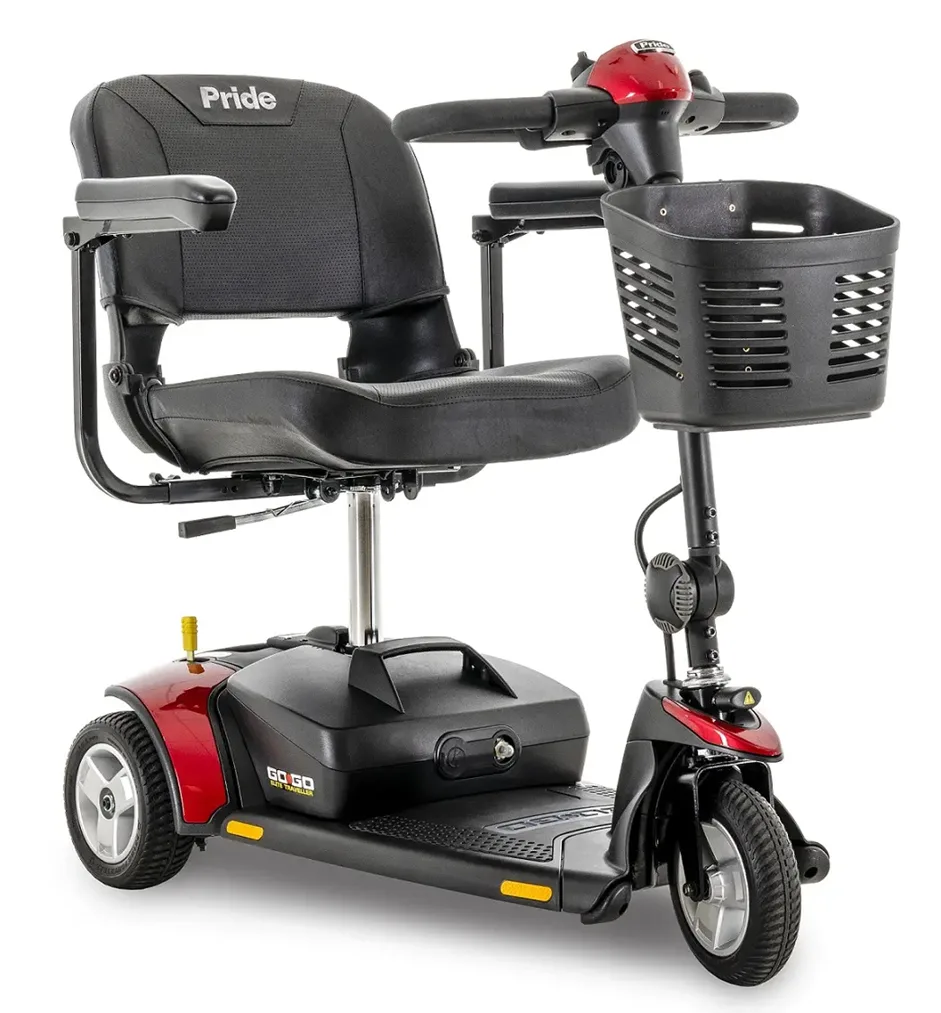
Using a three-wheeler can help people move freely and continue the social interactions that seized after their accident. They won’t have to wait until a friend or loved one is around before they go outside.
Over time, riding a three-wheeled scooter builds confidence to travel even longer distances comfortably without making loved ones worry.
3. Better Batteries and Lightweight Frame Engineering
Multi-wheeled scooters have gone through a major upgrade over the years. The earlier models were heavy, slow, and largely unreliable. They ran on massive lead-acid batteries similar to car batteries, which took virtually all night to charge yet offered very short travel ranges.
Modern manufacturing changes solved these hardware problems through three major updates:
- Lithium-Ion Battery Power: Lithium batteries are lighter and have replaced heavy lead packs. This substitution dropped overall vehicle weight while doubling the travel distance to up to thirty miles on a single charge.
- Efficient Electric Motors: Modern brushless motors convert electricity into motion without losing energy to heat, keeping performance quiet and reliable.
- Foldable Frames: Aluminum alloy frames allow smaller models to fold down or disintegrate into lightweight pieces that fit inside standard car trunks.
Since charging takes place through standard wall outlets, users can top off their battery power at home overnight for some change.
4. Saving Physical Energy and Reducing Pain

Using an electric ride is not just about saving money; it is also about preserving physical energy. Most people only realize this major shift after acquiring one.
For example, walking long distances across company grounds or through massive supermarket aisles may cause fatigue and joint inflammation. These seemingly minor incidents may cause more serious complications for people with arthritis and those managing knee injuries, back pain, or respiratory issues.
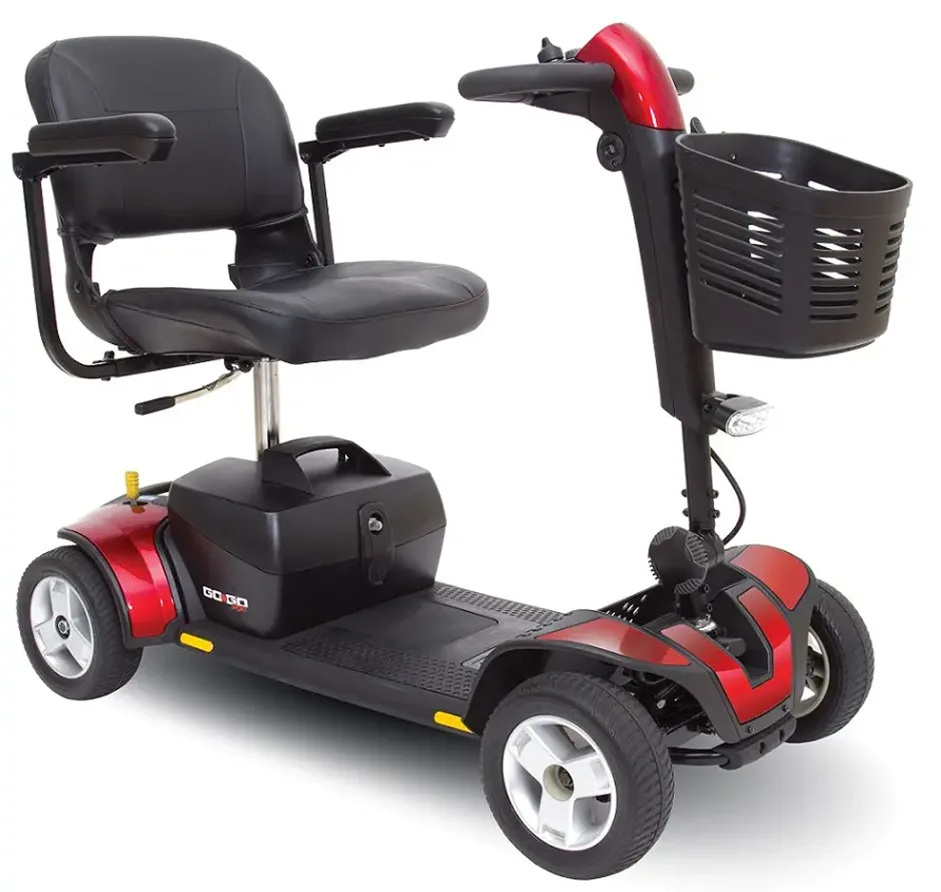
Three-wheeled and four-wheeled scooters have ergonomic features that can ease physical stress. For instance, using a motorized seat removes the physical wear and tear of walking on hard pavement. Users save their physical energy for work or social activities instead of burning it all up walking. Being able to keep up with daily errands independently also prevents physically challenged people from relying on neighbors or coworkers for assistance.
5. Stability Compared to E-Bikes and Standing Scooters

Micro-mobility options like electric bicycles and standing kick-scooters are the more popular alternatives to cars. However, they are not remotely ideal for people who can barely walk without assistance.
For instance, standing kick-scooters require constant physical balance, making them dangerous on uneven pavement or during sudden stops. Meanwhile, standard electric bicycles require a high step-over height, good leg flexibility, and active pedaling.
In contrast, a three-wheel seated frame solves these balance problems. The low seat keeps the center of gravity near the ground, allowing the frame to stay upright on its own without any balancing effort from the rider. With this feature, users can load the front storage baskets with groceries or office files without making the handles wobble.
Final Thoughts
The widespread move toward using a mobility scooter for everyday local travel is a game changer in solving mobility issues.
These modern rides make daily runs convenient by eliminating the high costs of car ownership, protecting joints from physical strain, and providing a stable four-wheeled base. They also offer an easy, independent way for people with mobility issues to navigate virtually anywhere in town comfortably and safely.
Soon, driving or public transportation will no longer be the most convenient way to tour the city for people struggling to walk. When that day comes, you can rely on a wheeled scooter to take you where you need to be.