Saline Valley Hot Springs 2026: California’s Hidden Gem

Saline Valley Hot Springs is one of California’s most hidden gems, offering an unparalleled desert escape deep within the remote corners of Death Valley National Park. Accessible via rugged dirt roads and offering a serene, clothing-optional atmosphere, it provides a peaceful and raw experience for those seeking tranquility amidst dramatic desert scenery.
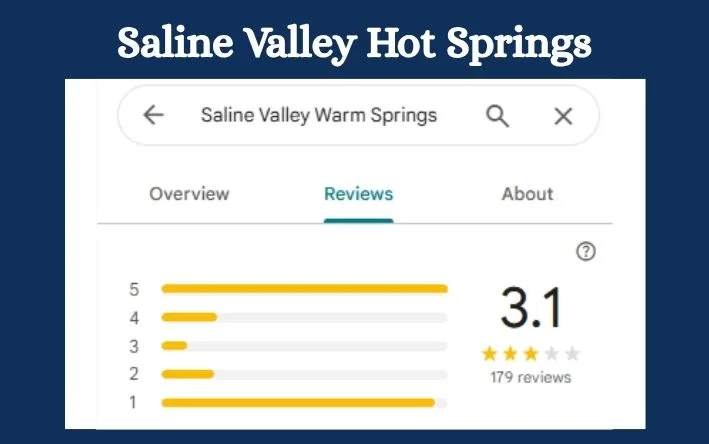
The springs, with temperatures ranging from 98°F to 112°F, offer a refreshing soak, surrounded by desert silence that is truly unique. While it has a modest 3.1 out of 5-star rating from visitors, the adventure is unmatched, especially for those passionate about off-grid, self-sustained experiences.
Just like other renowned Hot Springs in California, the Saline Valley Hot Springs offers its own charm. For those craving true solitude, this is a must-visit. Personally, when I soaked in the mineral-rich waters, I felt rejuvenated and utterly connected to nature. I can’t wait to share more of this experience on SoakDestinations!
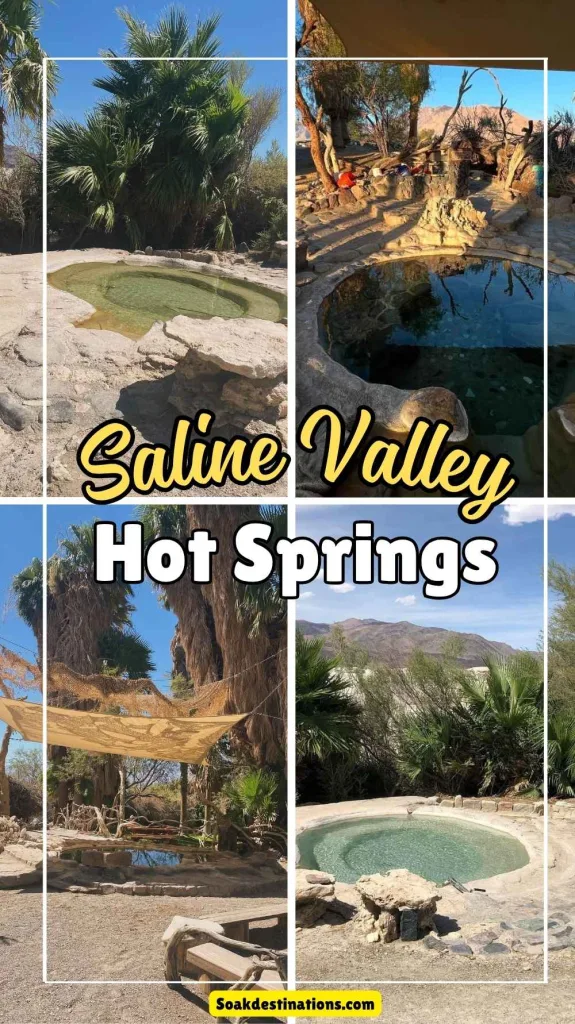
What Are Saline Valley Hot Springs? Quick Overview
| Detail | Information |
| Location | Saline Valley, Death Valley National Park, Inyo County, CA 92328 |
| State | California |
| GPS Coordinates | 36.838°N, 117.763°W |
| Spring Temperature Range | 98°F to 112°F |
| Elevation (Valley Floor) | ~1,000 feet |
| North Pass Elevation | ~7,300 feet |
| South Pass Elevation | ~6,100 feet |
| Road Length to Springs | ~50–60 miles of dirt road |
| Incorporated into National Park | 1994 |
| Camping | Free, up to 30 days per year |
| Entry Fee | Death Valley National Park pass required |
| Clothing Optional | Yes |
| Dogs Allowed | Yes, on leash (not in pools) |
| Review | 3.1 out of 5 |
Saline Valley Hot Springs Map & Directions
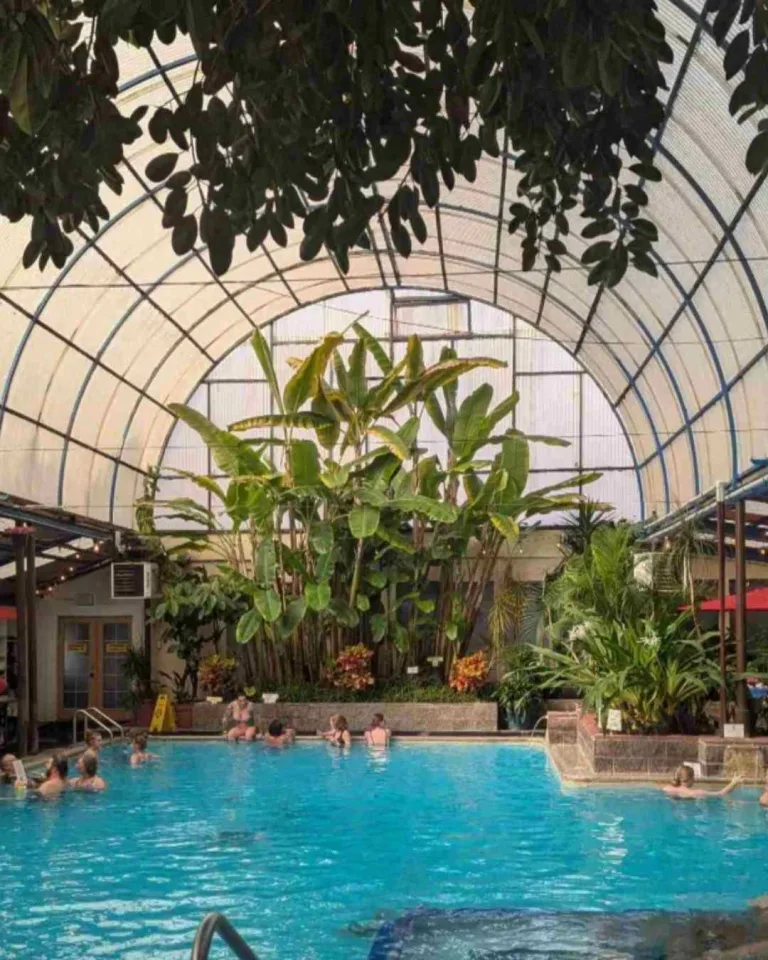
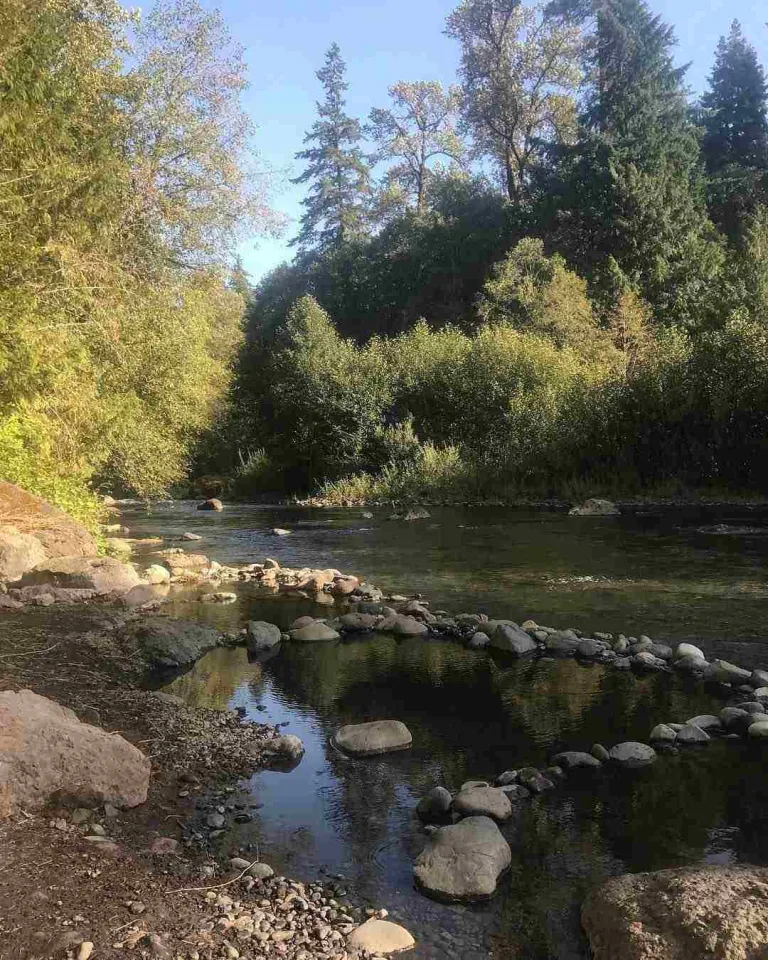
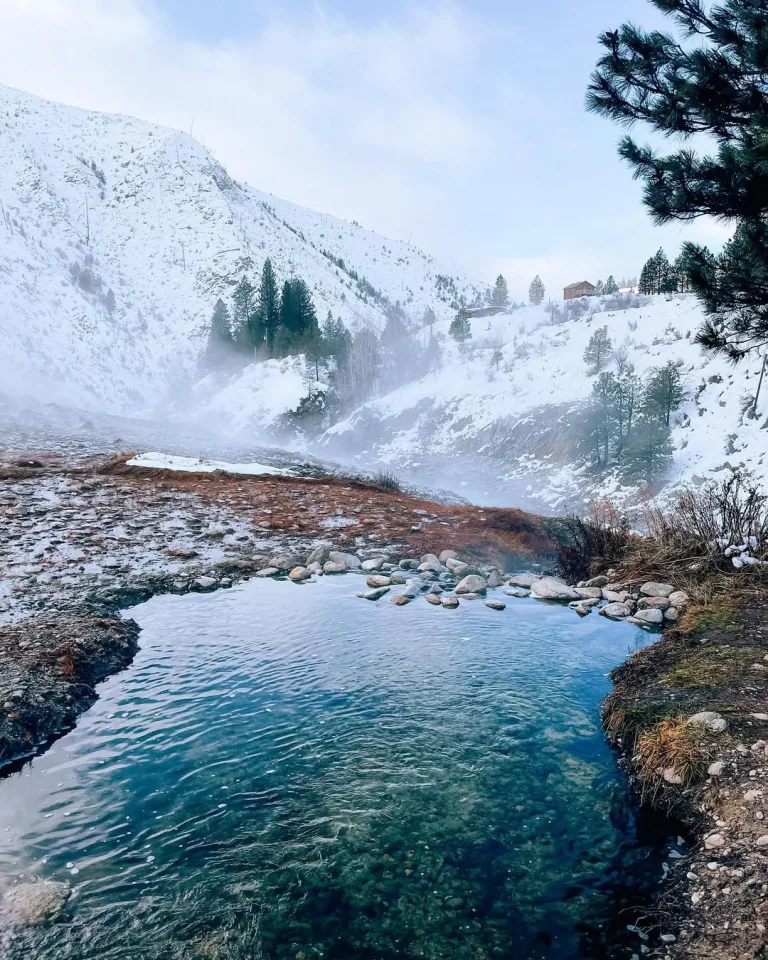
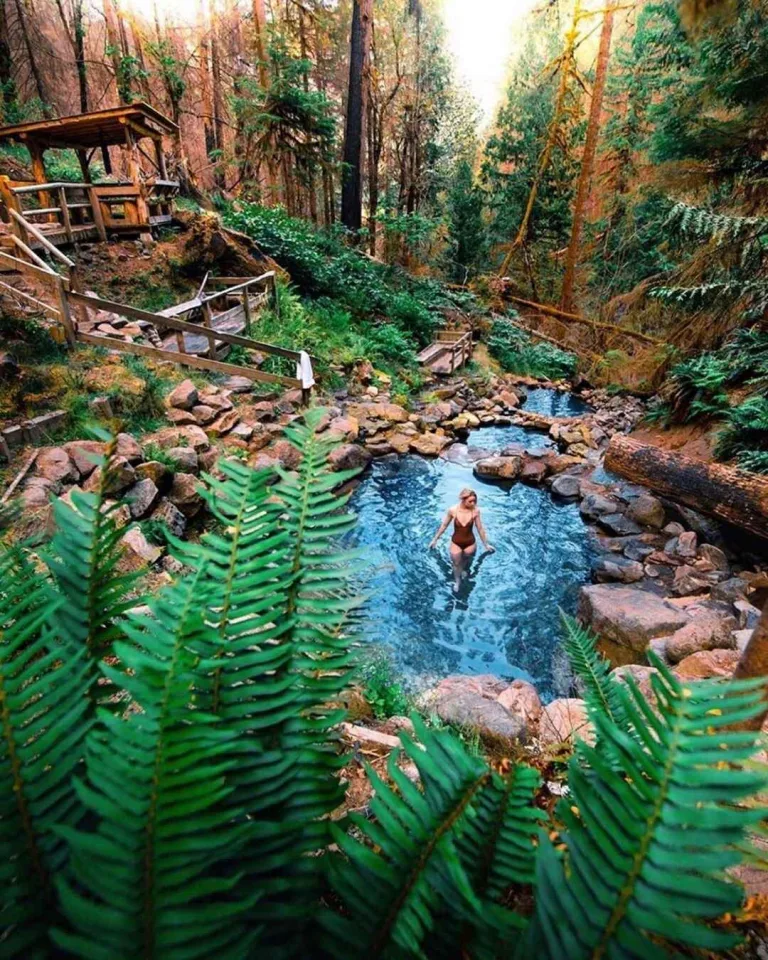
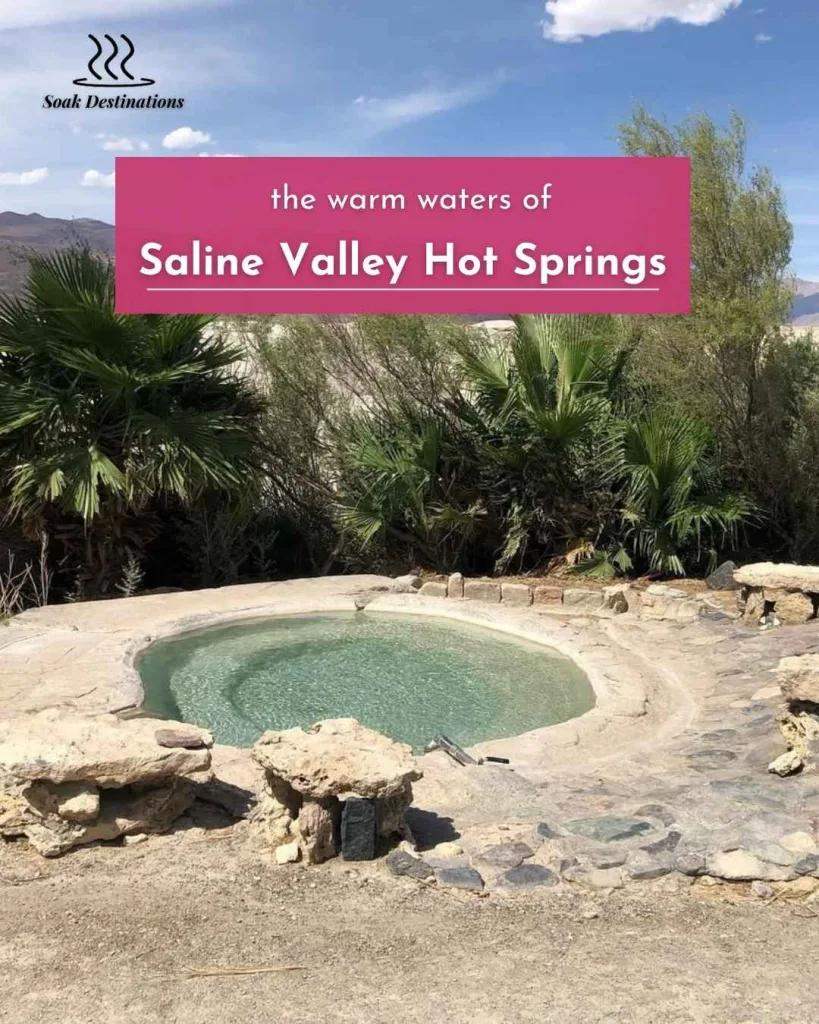
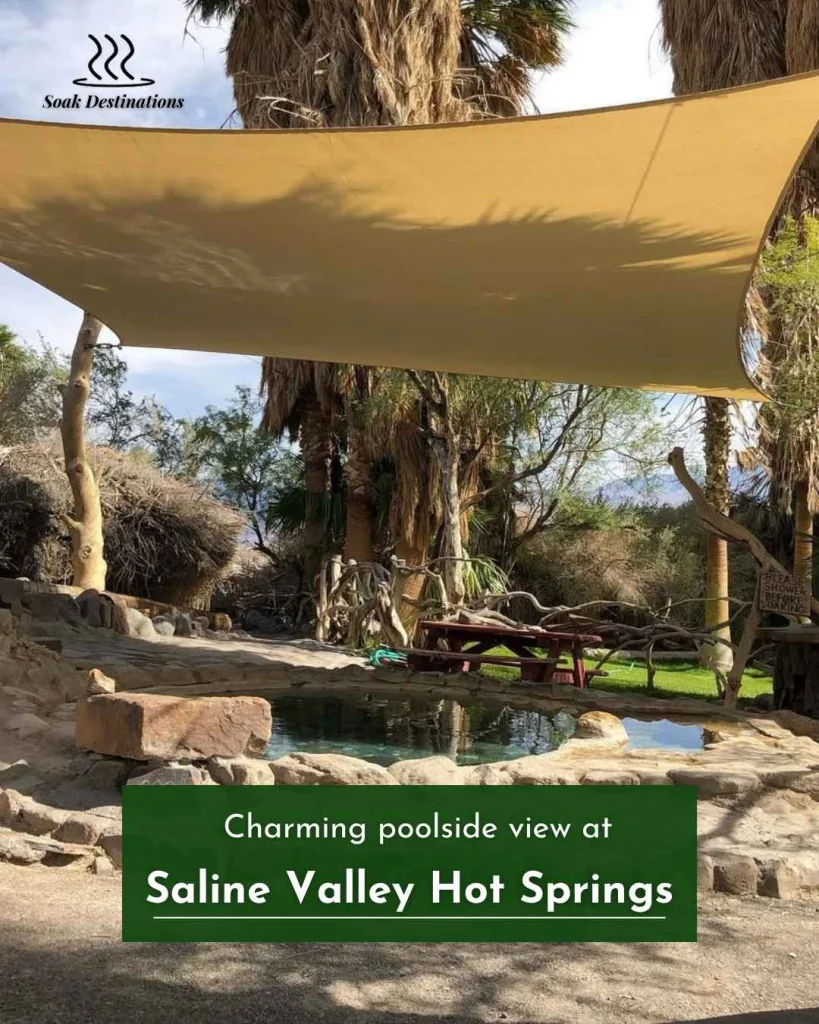
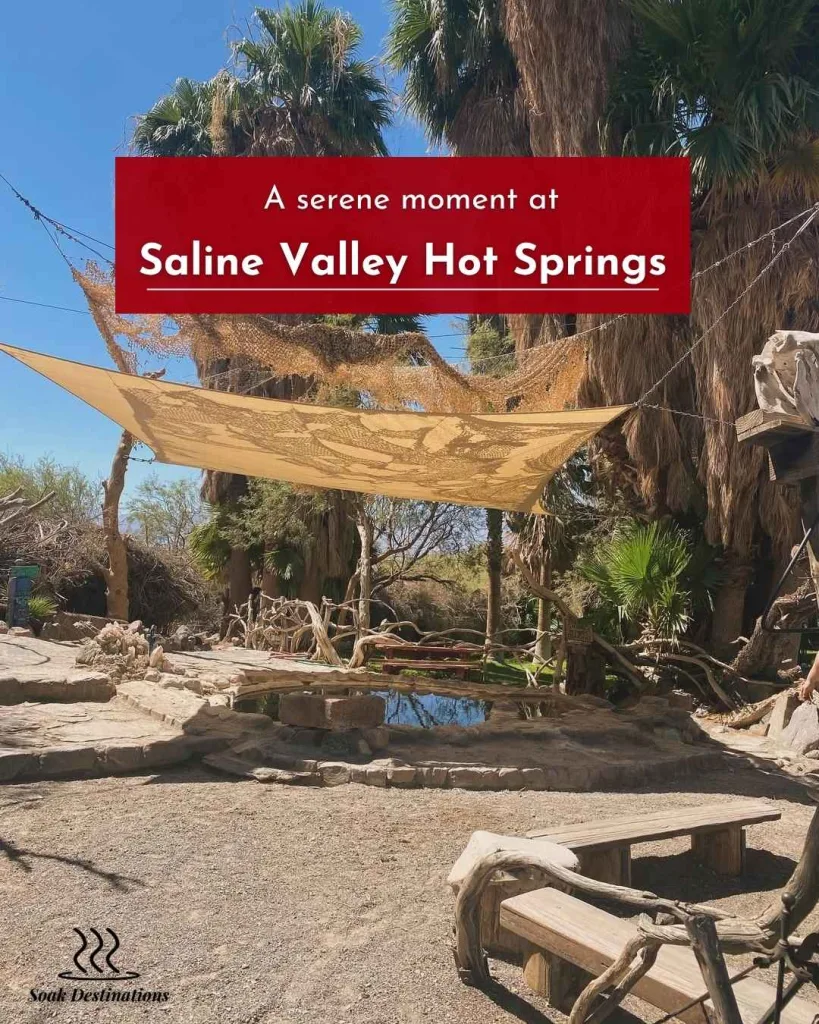
Saline Valley Warm Springs Photos: A Glimpse Into the Gallery
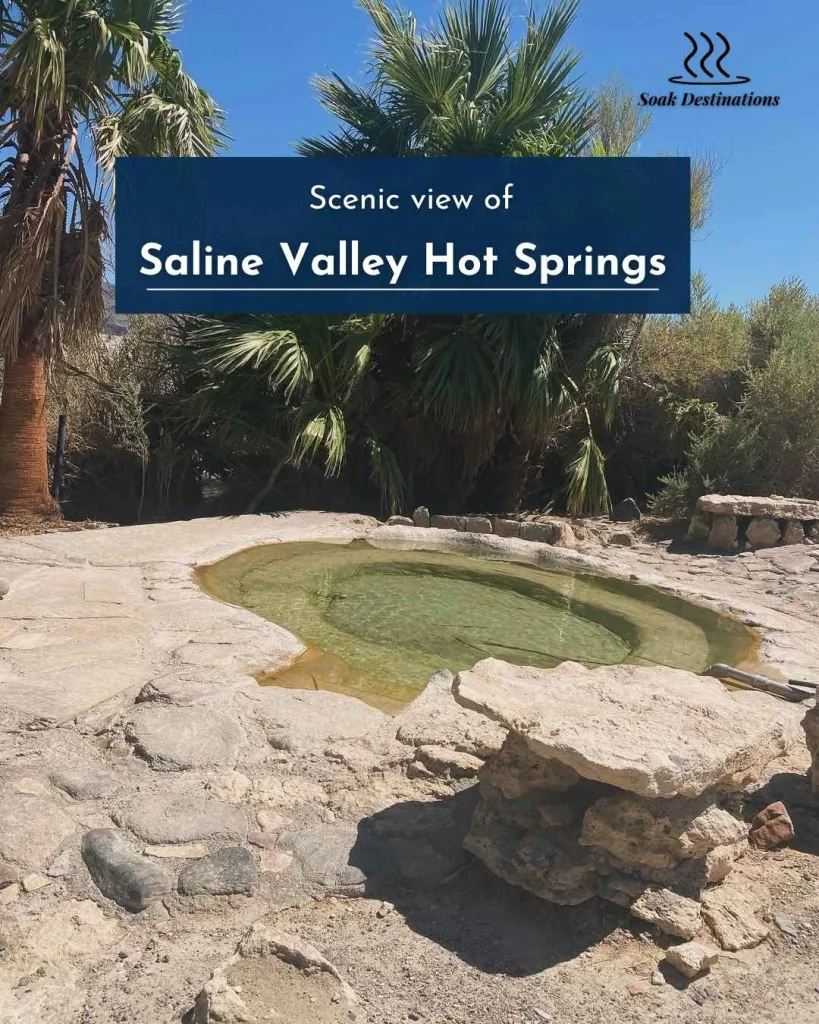
Important Information About Saline Valley Hot Springs
How to Get to Saline Valley Hot Springs?
The North Pass from Big Pine via Highway 168 covers roughly 55 miles of mixed paved and dirt road in about 3 hours. The South Pass from Highway 190 near Panamint Springs is approximately 50 miles and equally demanding. Both routes require a high-clearance vehicle; 4-wheel drive is strongly recommended.
What Are Saline Valley Hot Springs Road Conditions Today?
The Saline Preservation Association forum at forum.salinepreservation.org is the most reliable real-time source for current pass conditions, updated by fellow visitors daily. The NPS conditions page also posts official closures. Never rely on “Road Closed” signs alone, as they are sometimes left in place permanently.
What Is the Saline Valley Hot Springs Elevation?
The springs sit on the valley floor at approximately 1,000 feet, making them accessible in winter when passes are clear. The North Pass reaches about 7,300 feet and the South Pass about 6,100 feet. Both are prone to snow and ice from December through March.
Is Saline Valley Hot Springs Clothing Optional?
Yes — the springs have maintained a clothing-optional policy for decades and this is acknowledged in the 2019 NPS Management Plan. Public nudity does not violate federal regulations at this site. The community culture is respectful, welcoming, and relaxed for all visitors.
Are Dogs Allowed at Saline Valley Hot Springs?
Yes, dogs are permitted on the property but must remain on a leash at all times and cannot enter the soaking pools. During summer months, extreme heat on the remote dirt road makes bringing pets genuinely dangerous. Leaving dogs at home during warmer seasons is strongly advisable.
What Is the Entry Fee for Saline Valley Hot Springs?
Camping is free, but a valid Death Valley National Park entry pass is required. A 7-day vehicle pass costs $30, and America the Beautiful annual passes are accepted. There is no additional fee to use the soaking pools themselves.
Saline Valley Hot Springs History
Saline Valley has been inhabited for thousands of years by the Ko’ongkatün Band of Timbisha Shoshone. Salt and borax were mined here from the 1870s onward, and a remarkable 1911 aerial tram carried salt over the Inyo Mountains — the steepest ever built in the United States.
By the 1960s the springs became a counterculture gathering place, and volunteers built the soaking pools and showers by hand over the following decades. In 1994, Saline Valley was incorporated into Death Valley National Park.
Saline Valley Hot Springs & Death Valley National Park
Saline Valley Hot Springs lies within Death Valley National Park, one of the most extreme protected landscapes on Earth, where the world record temperature of 134°F was recorded at Furnace Creek in 1913.
Saline Valley occupies the remote northwestern section of the park, completely separate from the Furnace Creek corridor. There is no cell service, no vendors, and no paved roads — it feels like an entirely different world from the rest of the park.
Saline Valley Warm Springs Reviews: Pool Details & My Experience
Saline Valley Hot Springs offers a unique and remote desert experience in Death Valley National Park, earning a 3.1 out of 5 stars from visitors. The clothing-optional pools, with temperatures ranging from 98°F to 112°F, provide a peaceful soak surrounded by dramatic desert landscapes.
Reviewers appreciate the raw, off-grid atmosphere, especially during the ideal months of October to April. However, access via rugged roads and limited amenities can be challenging, making it best suited for adventure-seekers who enjoy isolation and self-reliance.
Saline Valley Hot Springs Weather & Temperature Yearly
Saline Valley’s low elevation gives it a true Mojave Desert climate — hot, dry, and extreme in summer, and mild on the valley floor during winter. The best times to visit are October through April, when temperatures are comfortable for soaking and camping.
| Season | Months | High (°F) | Low (°F) | Rain (days/month) | Weather Description |
| Winter | Dec–Feb | 45–60 | 25–38 | 2–3 | Cold nights, mild sunny days on the valley floor |
| Spring | Mar–May | 65–85 | 40–58 | 2–4 | Ideal season; wildflowers possible; passes clearing |
| Summer | Jun–Aug | 105–120+ | 80–95 | 1–2 | Extremely dangerous; avoid entirely |
| Fall | Sep–Nov | 70–95 | 45–65 | 1–3 | Excellent conditions; warm days and cool evenings |
Saline Valley Hot Springs Camping Adventure
Saline Valley Hot Springs offers completely free dispersed camping with no hookups, no electricity, and no on-site food or water. Camping is permitted for up to 30 days per year as required by the NPS, and a valid Death Valley National Park entry pass is required. Three dedicated camping areas near the springs are being developed as part of the 2019 NPS management plan. The nearest fuel and supplies are in Big Pine, approximately 55 miles and 3 hours away via the North Pass.
Things to Do and Nearby Attractions Near Saline Valley Hot Springs
Saline Valley is surrounded by some of the most dramatic natural and historical landscapes in the American West. These are the top attractions worth adding to your itinerary.
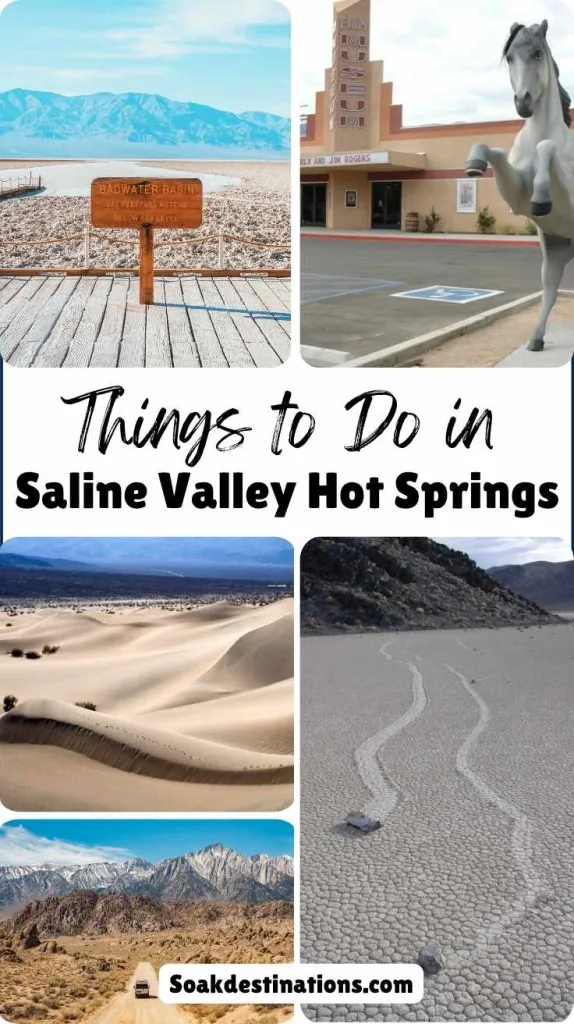
- Eureka Dunes: The tallest sand dunes in California at over 680 feet high, located north of the valley and accessible from the Big Pine–Death Valley Road — a true bucket-list desert experience.
- Racetrack Playa: A remote dry lakebed famous for its mysteriously moving rocks, accessible by a rough dirt road from Ubehebe Crater and requiring a high-clearance 4×4 vehicle.
- Badwater Basin: The lowest point in North America at 282 feet below sea level, offering a surreal salt flat landscape along the main Furnace Creek corridor of Death Valley National Park.
- Alabama Hills (Lone Pine): A geological wonder of rounded granite boulders at the base of the Sierra Nevada, famous as a Hollywood filming location since the 1920s and home to the iconic Mobius Arch.
- Saline Valley Salt Tram Remnants: Visible from the valley floor, this 1911 aerial tramway — the steepest ever built in the US — carried salt over the Inyo Mountains and remains one of the desert’s most fascinating historic relics.
- Museum of Western Film History (Lone Pine): A charming museum dedicated to Lone Pine’s deep Hollywood connection, featuring extensive props, memorabilia, and exhibits spanning over a century of Western filmmaking.
Tips for Visiting Saline Valley Hot Springs
A little preparation goes a very long way at this completely remote and self-reliant desert destination. Keep these tips in mind before you go.
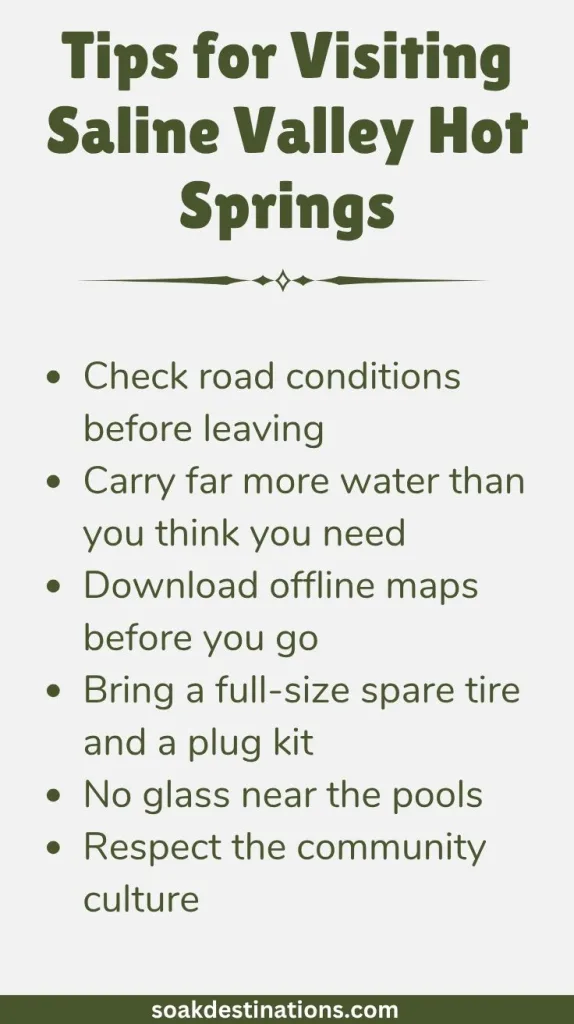
- Check road conditions before leaving: Always verify current pass conditions at the NPS website and Saline Preservation forum on the exact day of your departure, as the road can change overnight.
- Carry far more water than you think you need: There is zero water available at the springs; bring a minimum of one gallon per person per day and significantly more during warmer months.
- Download offline maps before you go: Cell service disappears the moment you leave the highway; a preloaded GPS device or offline maps app and a printed backup are absolutely essential.
- Bring a full-size spare tire and a plug kit: Flat tires are extremely common on the rocky, washboarded Saline Valley Road; having a spare and knowing how to use it could save your trip.
- No glass near the pools: Alcohol is welcome, but only in cans or sealed plastic containers; glass of any kind is strictly prohibited in all pool and camping areas.
- Respect the community culture: The springs run on mutual respect and Leave No Trace values; keep noise down after 10 PM, pack out all trash, and always ask before photographing other guests.
What to Bring When Visiting Saline Valley Hot Springs?
Packing correctly for Saline Valley is non-negotiable given the complete absence of any services once you leave the paved highway. These essentials will make your visit safe and enjoyable.
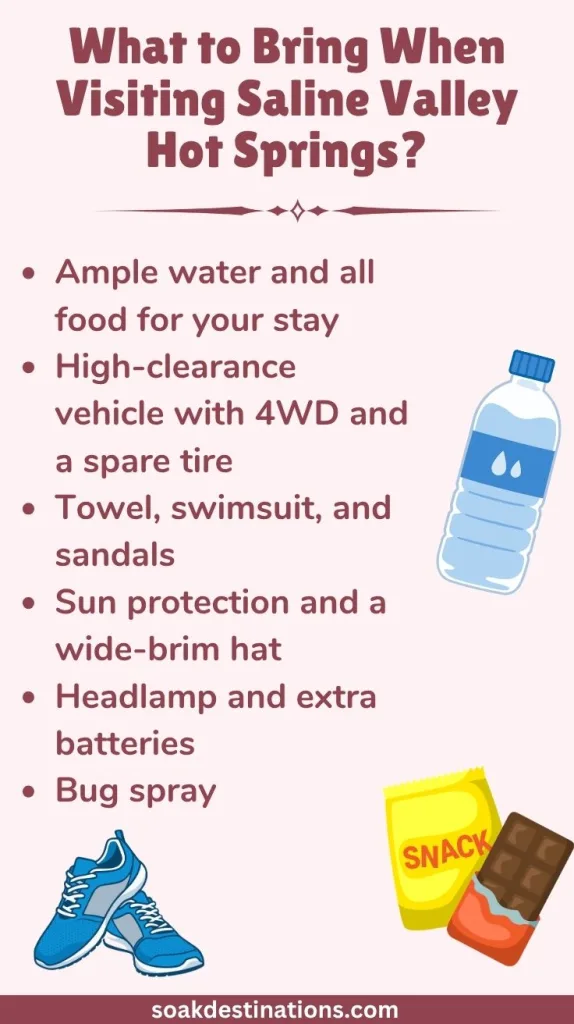
- Ample water and all food for your stay: No vendors exist on-site; bring everything you will need for the full duration of your trip including snacks and meals.
- High-clearance vehicle with 4WD and a spare tire: The road demands serious capability; a spare tire, pump, and basic recovery gear are mandatory safety items.
- Towel, swimsuit, and sandals: A personal towel is essential; a swimsuit is practical for first-time visitors; sandals make navigating between camp and pools far more comfortable.
- Sun protection and a wide-brim hat: The desert sun at Saline Valley is intense even in spring and fall; sunscreen, UV-rated clothing, and a hat are critical for day visits.
- Headlamp and extra batteries: There is no lighting on the property whatsoever; a reliable headlamp is essential for safely navigating the site after dark.
- Bug spray: Particularly useful during evening soaks in spring and fall, when insects become active around the spring-fed vegetation and open desert fields.
Where to Eat and Stay Near Saline Valley Hot Springs?
After an unforgettable soak at Saline Valley Hot Springs, the towns of Big Pine and Lone Pine offer the closest dining and lodging options for every type of visitor.
- 🔵 Blue markers represent recommended restaurants near Saline Valley Hot Springs.
- 🔴 Red markers represent recommended hotels near Saline Valley Hot Springs.
Restaurants
- Copper Top BBQ (Big Pine): A highly rated BBQ spot in Big Pine serving generous portions of flavorful smoked meats — the perfect reward after tackling the long North Pass dirt road.
- Alabama Hills Café & Bakery (Lone Pine): A beloved local institution open seven days a week, famous for hearty breakfasts, homemade deep-dish pies, and a welcoming small-town atmosphere.
- Seasons Restaurant (Lone Pine): An upscale option in central Lone Pine offering American fare including pasta, seafood, and steak with solid vegetarian choices available on the menu.
- Panamint Springs Restaurant: The closest dining option to the South Pass route, located on Highway 190 at the western edge of Death Valley, serving hot meals and cold drinks.
- Still Life Café (Big Pine): A casual local favorite offering sandwiches, soups, and daily specials — a great fueling stop before heading out on the North Pass drive into Saline Valley.
Hotels
- Whitney Portal Hotel & Hostel (Lone Pine): A top-rated property in Lone Pine offering traditional rooms and budget dorm-style stays, with a gift shop, snacks, and public showers for post-springs cleanup.
- Dow Villa Motel (Lone Pine): A historic and well-reviewed Lone Pine classic popular with desert visitors and hikers, offering comfortable, affordable rooms conveniently close to Highway 395.
- Stovepipe Wells Village Hotel (Death Valley): A charming Old West-style hotel inside the park, useful for visitors approaching via the South Pass, with an on-site restaurant and gas station.
- Bristlecone Motel (Big Pine): A clean and affordable motel in Big Pine — the ideal base if you plan to enter Saline Valley via the North Pass, just minutes from the Highway 168 junction.
- Best Western Plus Bishop Holiday Spa Hotel (Bishop): Located approximately 40 miles north of Big Pine, offering comfortable amenities and a practical overnight option before or after the North Pass journey.
Final Thoughts
Saline Valley Hot Springs is not for the casual day tripper — it demands preparation and a genuine love of raw desert adventure. But for those willing to make the journey across miles of rough backcountry road, the reward is something few California experiences can match: mineral-warm pools surrounded by palm trees beneath a sky overflowing with stars.
Plan your visit between October and April, check road conditions carefully, stock up on supplies in Big Pine or Lone Pine, and prepare for one of the most unforgettable escapes the American West has to offer.
FAQs
Q. Is Saline Valley Hot Springs free to visit?
Camping at the springs is free, but a valid Death Valley National Park entry pass is required. A 7-day vehicle pass costs $30. America the Beautiful annual passes are also accepted.
Q. Do I need a 4×4 to reach Saline Valley Hot Springs?
A high-clearance vehicle is strongly recommended, and 4-wheel drive is highly advisable, particularly for the mountain pass sections and sandy areas near the valley floor. Many visitors in AWD vehicles with good clearance have made the trip successfully, but a true 4×4 provides a significant safety margin.
Q. Are dogs allowed at Saline Valley Hot Springs?
Yes. Dogs are permitted on the property but must be kept on a leash at all times. Dogs are not allowed inside the soaking pools.
Q. Is Saline Valley Hot Springs clothing optional?
Yes. The springs have maintained a clothing-optional policy for decades. The National Park Service has taken no official stance on public nudity at the site, as it does not violate federal regulations.