Garlic Butter Steak Skillet Recipe: So Juicy, Ready in 20 Minutes

I made this Garlic Butter Steak Skillet Recipe on a busy weeknight, and I was shocked at how good it turned out. The crust was deeply browned, and the inside stayed tender and juicy. The garlic and rosemary butter smelled so good that my whole family wandered into the kitchen.
I have made it many times since, and it works every time. If you have ever wondered how to cook steak in a pan, I’m sharing everything I learned.
Cooking Time
This recipe moves fast, so you can have steakhouse flavor on a regular weeknight.
- Prep Time: 5 minutes
- Cooking Time: 15 minutes
- Total Time: 20 minutes (plus 10 minutes of resting)
Ingredients
You only need seven simple ingredients for this butter steak recipe. Each one has a clear job.
- 2 lbs New York strip steaks (2 steaks, 1 lb each, about 1 1/4 inches thick): Thick, marbled cuts stay juicy.
- 1/2 tbsp vegetable oil: High-heat oil prevents burning and keeps splatter low.
- 1 1/2 tsp sea salt: Season right before cooking for the best flavor.
- 1 tsp freshly ground black pepper: Fresh pepper tastes much bolder than pre-ground.
- 2 tbsp unsalted butter: This gives you rich flavor while you control the salt.
- 2 garlic cloves, peeled and quartered: Big pieces infuse the butter without burning.
- 1 sprig fresh rosemary: It adds a piney, steakhouse aroma.
Note: serves several (about 4 people, with half a steak each).
Equipment You Need
The right tools make this recipe easier and give you a better sear.
- Large cast-iron skillet: It holds and spreads heat evenly for a deep crust.
- Tongs: They flip the steak and let you sear the edges safely.
- Paper towels: They dry the steak so it browns instead of steaming.
- Instant-read thermometer: It takes the guesswork out of doneness.
- Large spoon: You’ll use it to baste the steak with garlic butter.
- Cutting board and sharp knife: They let you rest and slice the steak cleanly.
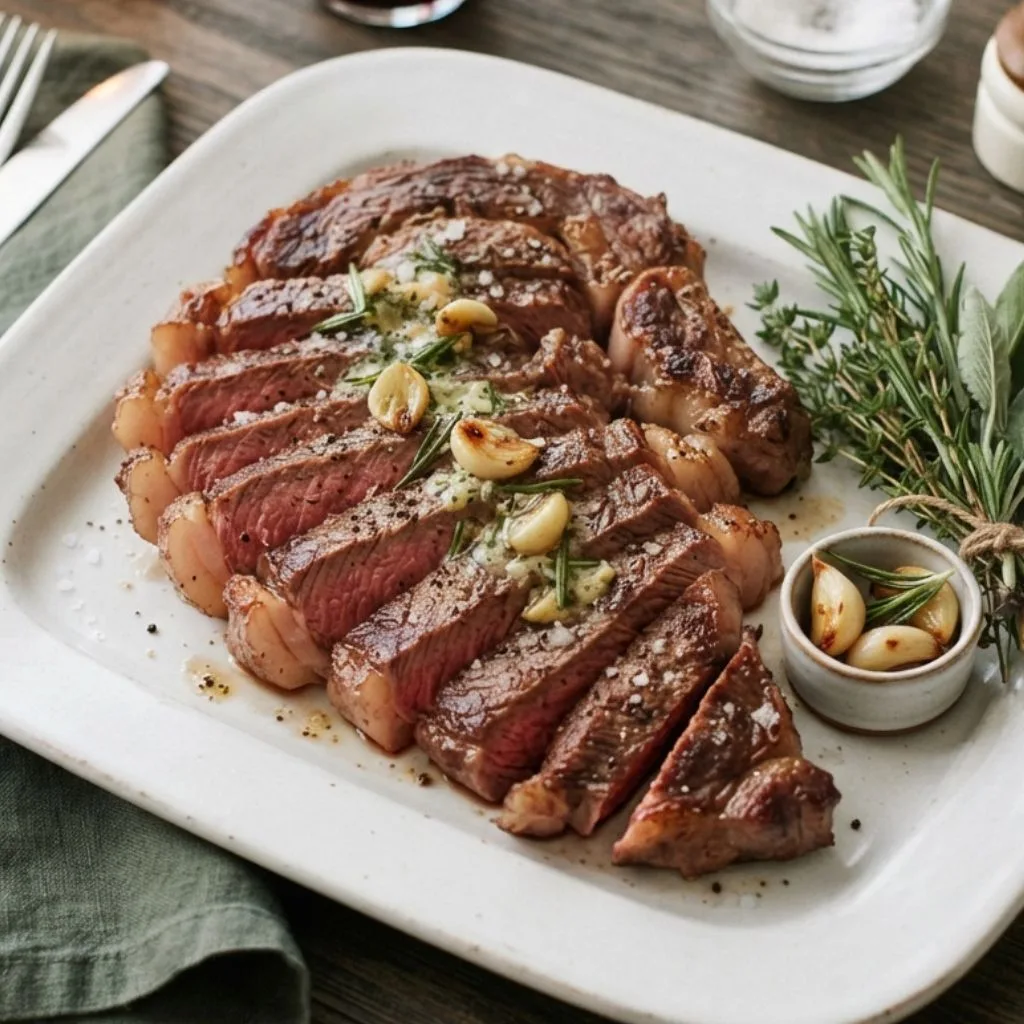
How to Make Garlic Butter Steak Skillet Recipe?
This method uses one pan and no oven. You sear the steak hard, then finish it in sizzling garlic butter. Follow the steps in order and you’ll get a steakhouse-style result. Here is how to cook steak with garlic butter from start to finish.
Pat the Steaks Dry
Take the steaks out of the package and press them firmly with paper towels. Dry meat sears better and browns faster. It also cuts down on oil splatter, which keeps your stovetop cleaner.
Season Generously
Season right before the steaks hit the pan. Sprinkle both sides with the salt and pepper, and don’t be shy. Thick steaks need plenty of seasoning to taste good all the way through.
Heat the Pan and Add Oil
Set your cast-iron skillet over medium-high heat until it gets properly hot. Add the oil and swirl it around the pan. Wait until the oil looks very hot, because a hot pan is what builds the crust.
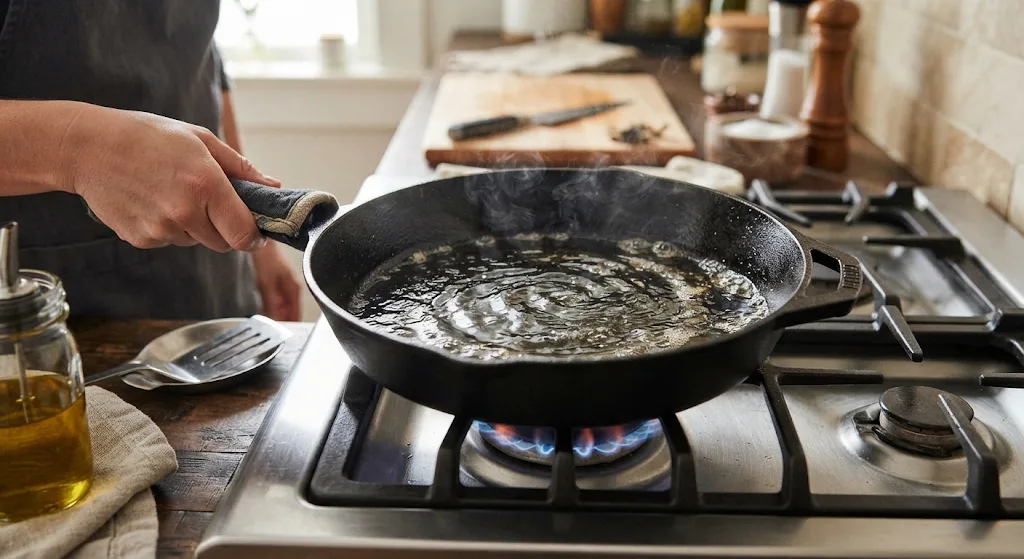
Sear the First Side
Lay the steaks in the pan and press them down gently so they make full contact. Leave them alone for about 4 minutes. You want a deep brown crust before you flip. Then cook the second side for another 3 to 4 minutes.
Sear the Edges
Grab your tongs and turn each steak onto its side. Hold it there for about 1 minute per edge. This melts the white fat and browns the edges evenly. It also gives you a polished, restaurant-style steak.
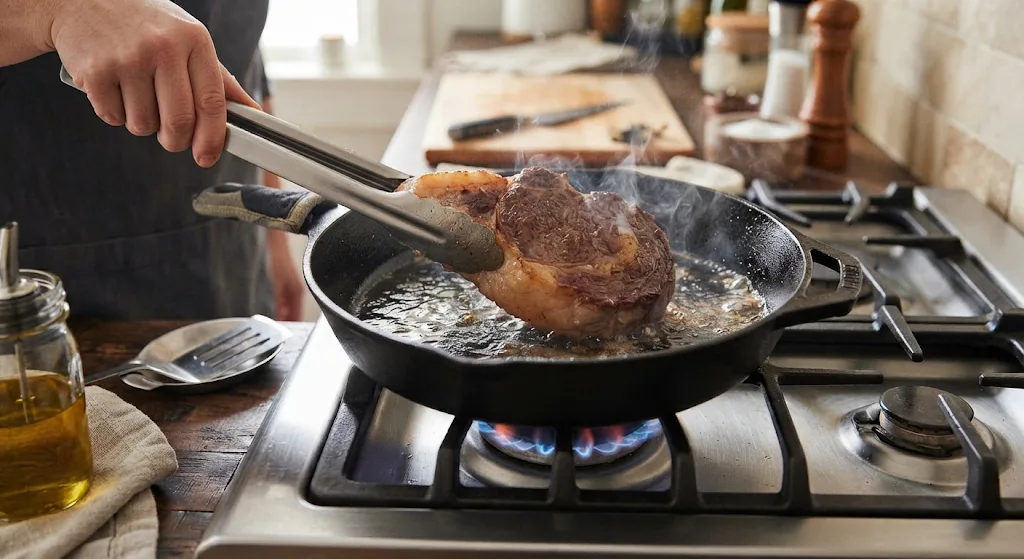
Add the Garlic Butter
Lower the heat to medium and drop in the butter, garlic, and rosemary. Tilt the pan so the butter pools at one end. Spoon it over the steaks again and again for about a minute, and the whole kitchen will smell amazing.
Check the Temperature
Slide the thermometer in from the side, into the thickest part of the steak. Pull the steak off the heat 5 to 10 degrees before your target. For a medium-rare steak in a pan with butter, remove it at 125°F. It will climb to 130°F as it rests.
Rest the Steak
Move the steaks to a cutting board and cover them loosely. Let them rest for a full 10 minutes. The juices settle back into the meat during this time. If you slice too early, they run onto the board instead.
Slice and Serve
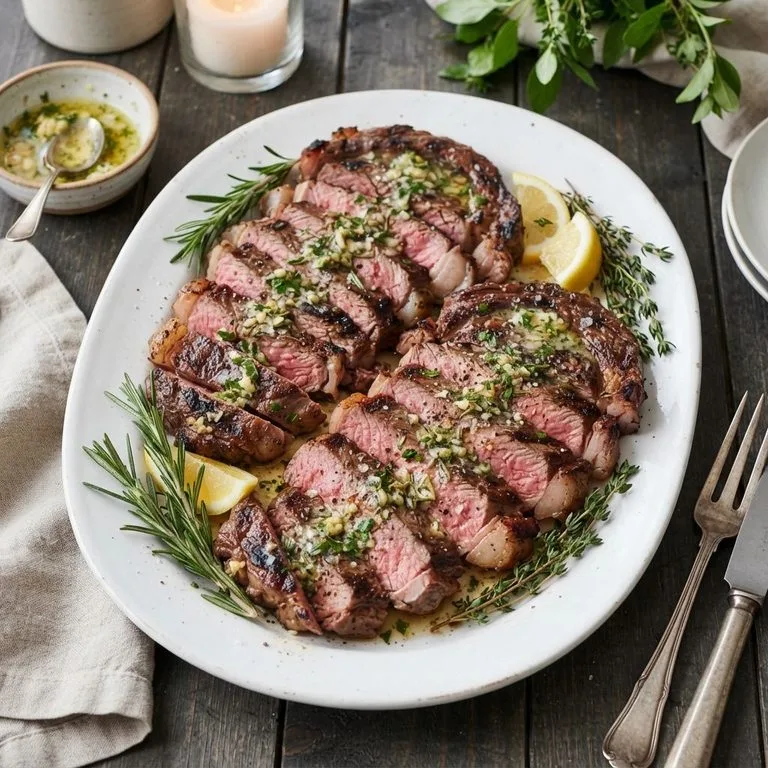
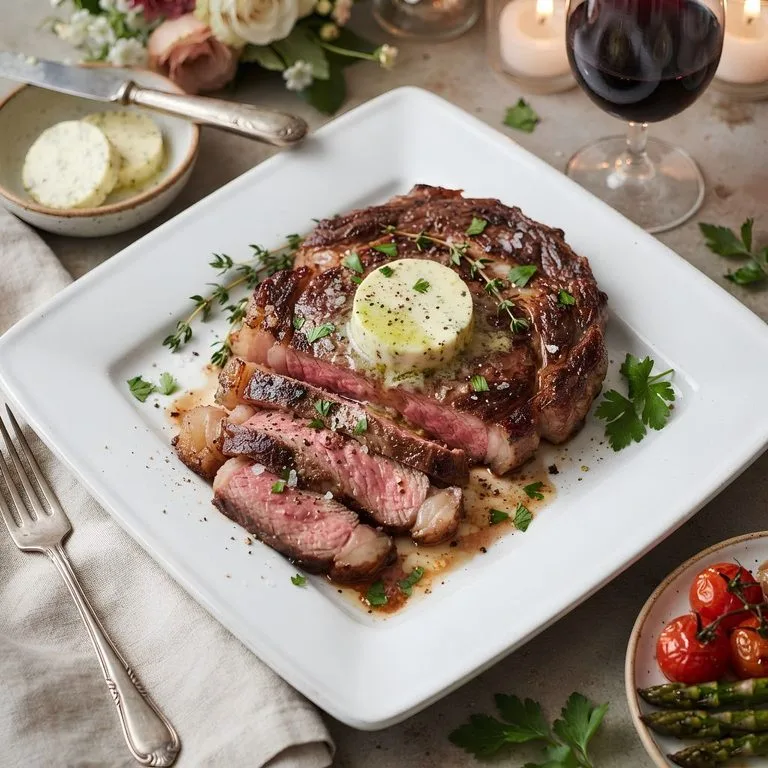
Slice the steak against the grain into 1/2-inch strips, cutting at a slight angle. Don’t slice too thin, or the meat cools too quickly. Spoon the leftover garlic butter from the pan over the top before you serve.
Steak Doneness Guide
Use this chart to pull your steak at the right moment. The temperature keeps rising as the meat rests.
- Medium Rare: Remove at 125°F for a final temperature of 130°F.
- Medium: Remove at 135°F for a final temperature of 140°F.
- Medium-Well: Remove at 145°F for a final temperature of 150°F.
- Well Done: Remove at 155°F for a final temperature of 160°F.
Additional Tips for Making This Recipe Better
These small habits made a big difference when I cooked this steak many times.
- I preheat my pan for about 5 minutes before the steak goes in. That gives me better color and flavor.
- I press the steak down the second it hits the pan. This keeps the whole surface in contact with the metal.
- I use only a small amount of oil. It keeps the splatter down and still gives a great sear.
- I always use a thermometer. Guessing led to overcooked steaks in my early attempts.
- I rest the steak loosely covered. Foil packed tightly can trap steam and soften the crust.
- I spoon the garlic butter over the steak until it’s glossy. That step makes the flavor really stick.
- I choose well-marbled cuts like ribeye, top sirloin, or filet mignon. They stay juicier than lean ones.
Common Mistakes to Avoid
I made most of these mistakes myself, so you can skip them.
- Skipping the dry-off: I once seared a damp steak and it turned gray instead of brown. Pat it dry every time.
- Cooking on a cold pan: My early steaks had no crust. Heat the pan well first.
- Cutting too soon: I sliced a steak after two minutes and lost all the juice. Rest it for 10 minutes.
- Ignoring thickness: A thin steak cooks much faster than a thick one. I now check the temperature early.
- Slicing with the grain: My steak turned chewy. Cut across the grain for tender bites.
How to Serve Garlic Butter Steak Skillet Recipe?
A good presentation makes this dish feel special. Fan the slices across a warm plate and drizzle the pan butter over them. Garnish with a fresh rosemary sprig for color and a little extra aroma.
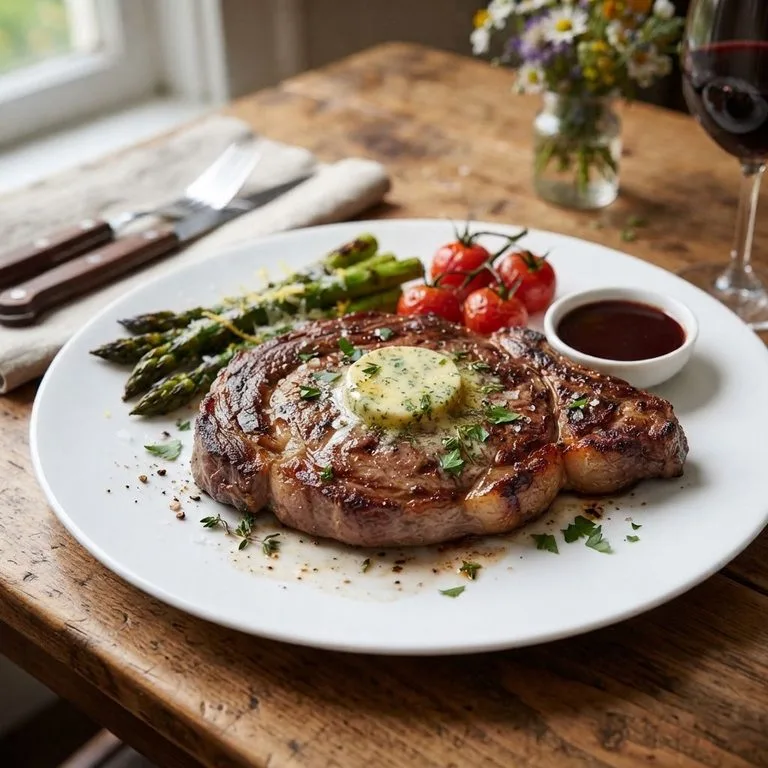
For sides, garlic butter steak with potatoes is my favorite pairing. Oven-roasted baby red potatoes or creamy mashed potatoes both soak up the buttery juices. You can also add roasted asparagus or roasted Brussels sprouts for something green. Corn on the cob is a classic choice too. If you want a fresh, herby kick, a spoonful of chimichurri sauce works beautifully.
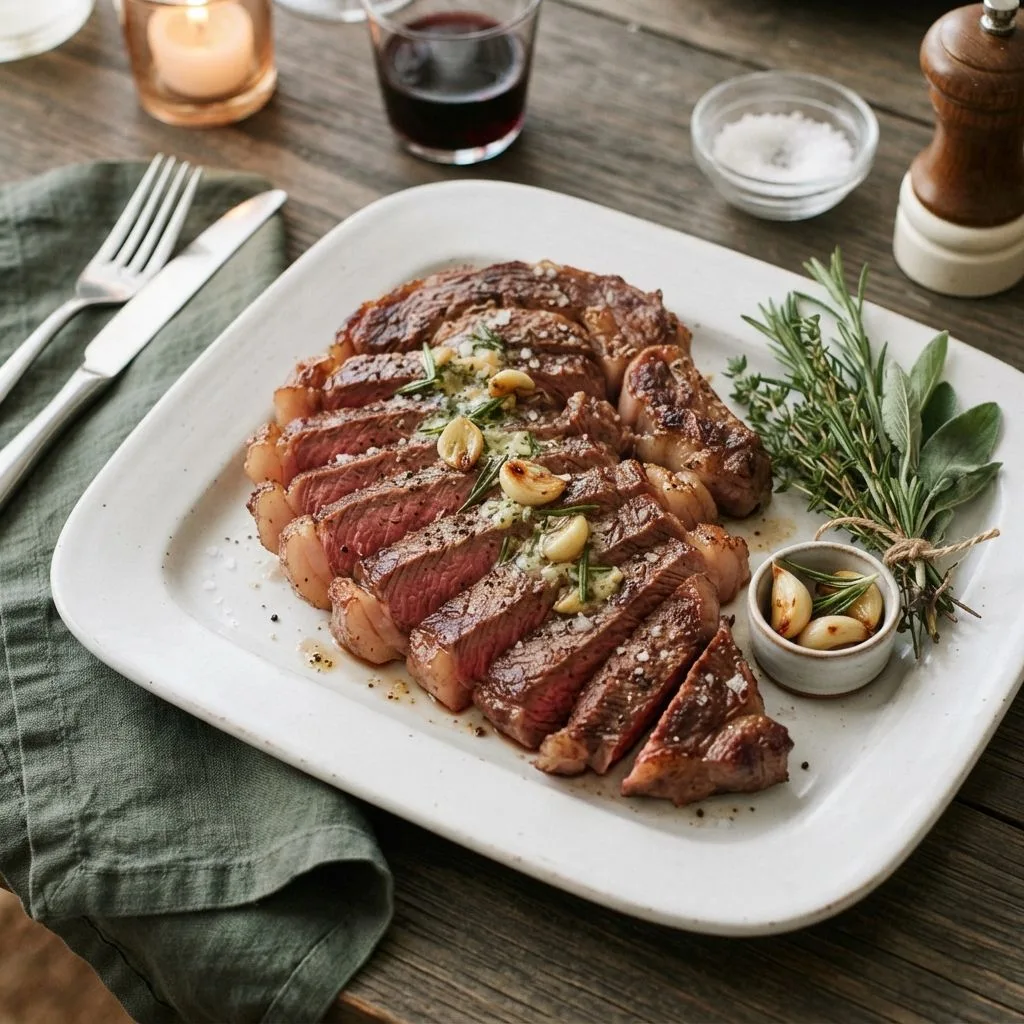
Variations
You can change this recipe in many ways while keeping the pan-seared method.
- Different cuts: Swap in ribeye, filet mignon, top sirloin, or T-bone.
- Dairy-free: Use ghee or olive oil instead of butter. Ghee has a similar rich taste.
- Extra garlic: Add a few more cloves if you love bold garlic flavor.
- Herb swap: Try fresh thyme in place of rosemary for a softer herb note.
- Lemon finish: Squeeze a little lemon juice over the sliced steak for brightness.
- Spicy kick: Add a pinch of red pepper flakes to the butter.
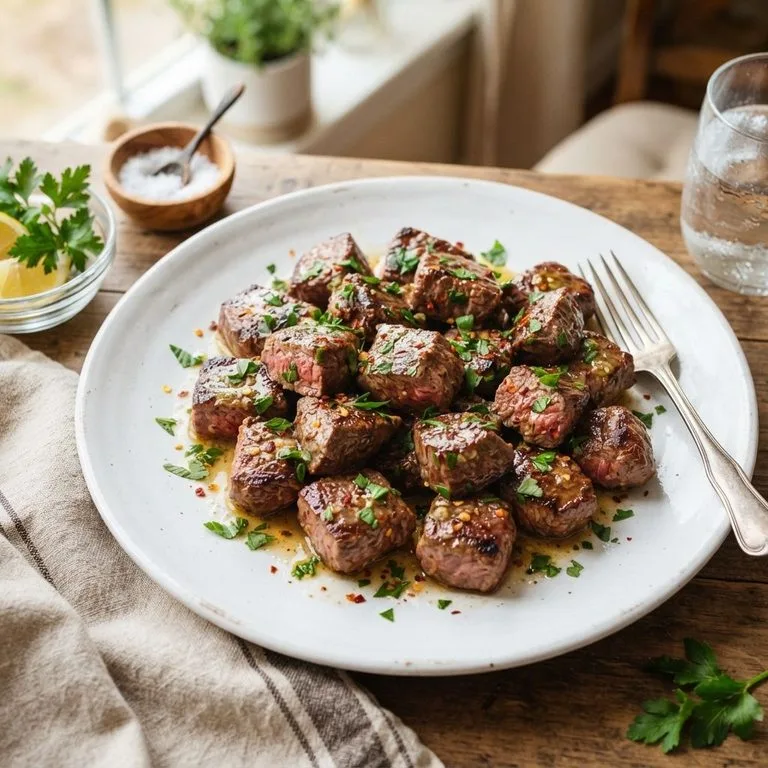
- Garlic butter steak bites: Cut the steak into cubes and sear them for a quick appetizer.
Nutritional Information
Here is the approximate nutrition for one serving, which is half a steak.
- Calories: 542 kcal
- Protein: 46 g
- Carbohydrates: 1 g
- Fat: 40 g
Make Ahead and Storage
This steak tastes best fresh, but a few smart steps can save you time later.
Make Ahead
You can mix the garlic and rosemary into softened butter earlier in the day. Keep it in the fridge until you cook. Season the steak only right before it goes in the pan.
Storage
Store leftover cooked steak in an airtight container in the fridge. It stays fresh for 3 to 4 days. Keep the sauce with the meat so it stays moist.
Reheating
Warm slices gently in a skillet over low heat with a spoonful of the leftover butter. This keeps the meat from drying out. Avoid high heat, because it can toughen the steak.
Freezing
Wrap cooked steak well and freeze it for 2 to 3 months. Squeeze out as much air as you can. Thaw it in the fridge overnight before reheating.
Why You’ll Love This Recipe?
This recipe is simple, fast, and full of flavor. Here is why it keeps landing on my dinner table.
- Quick and easy: Everything cooks in one pan in about 20 minutes. It’s perfect for busy nights when you want a big payoff.
- Few ingredients: You only need seven basics, and most are already in your kitchen. There’s no long shopping list or fancy prep.
- Steakhouse flavor: The deep sear and garlic butter taste like a restaurant meal. Friends always ask me how I made it.
- Flexible: You can use different cuts, herbs, and sides to fit your taste. It works for weeknights and special dinners alike.
- Great for leftovers: Extra slices are perfect for tacos, fajitas, quesadillas, or a steak cobb salad. My Cookingo garlic butter steak never goes to waste.
FAQs
Should I pan fry steak in butter or oil?
Use both. I start with a little high-heat oil for the sear because it handles the heat. Then I add butter near the end for flavor, so it doesn’t burn.
How long do I cook a steak in a pan for medium rare?
For a 1 1/4-inch steak, sear about 4 minutes per side, plus the edges. Pull it at 125°F and rest it, and it will reach about 130°F.
Can I use a stainless steel pan instead of cast iron?
Yes, a large, heavy stainless steel pan also works well. Cast iron holds heat best, so it gives the deepest crust.
Why does my steak need to rest?
Resting lets the juices settle back into the meat. If you slice right away, the juices spill out and the steak turns dry.
How do I know when the steak is done without cutting it?
Use an instant-read thermometer and insert it from the side. Check the center of the thickest part and avoid bone or fat.