Pan Seared Ribeye Steak Recipe: Juicy, Tender & Buttery

I love making Pan Seared Ribeye Steak Recipe when I want a restaurant-quality dinner without leaving my kitchen. When I first started cooking ribeye, I learned that a hot pan and a little patience make a huge difference. I enjoy how the outside develops a beautiful golden-brown crust while the inside stays juicy and tender.
With butter, garlic, and fresh herbs, I can turn a simple steak into a rich, flavorful meal. Today, I’m sharing my favorite approach to making a delicious pan-seared ribeye steak that’s easy enough for a weeknight and special enough for a celebration.
Cooking Time
This ribeye steak recipe comes together quickly, making it ideal when you want an impressive meal without spending hours in the kitchen.
- Prep Time: 10 minutes
- Cooking Time: 10–14 minutes
- Total Time: 20–24 minutes
Note: Cooking times vary depending on the steak’s thickness, your pan’s heat, and your preferred doneness. Allow another 5–10 minutes for resting.
Ingredients for Pan-Seared Ribeye Steak
I keep the ingredients simple because a good ribeye already has plenty of rich, beefy flavor. Each ingredient adds something useful to the finished steak.
- 2 ribeye steaks, about 1–1½ inches thick (10–12 ounces each): Choose well-marbled steaks for a tender texture and rich flavor.
- 1 tablespoon olive oil or another high-heat cooking oil: Helps the steak make good contact with the hot pan.
- 1 teaspoon kosher salt, or to taste: Season the beef and enhance its natural flavor.
- ½ teaspoon freshly ground black pepper: Add a gentle, savory bite; grind it just before cooking for the best aroma.
- 2 tablespoons unsalted butter: Creates a rich finish and helps baste the steak as it cooks.
- 3 garlic cloves, lightly crushed: Infuse the butter with a warm, savory aroma without needing to mince them.
- 2 sprigs fresh rosemary or thyme: Add a fragrant, steakhouse-style herbal flavor.
Note: Serves 2 people, with one ribeye steak per serving. Adjust the quantities if you’re cooking for a larger group.
Equipment You Need
The right equipment makes searing easier and helps you cook the steak evenly.
- Heavy skillet: Holds heat well and encourages a deep, golden-brown crust.
- Tongs: Let you turn the steak safely without piercing the meat.
- Instant-read meat thermometer: Helps you check the center temperature accurately.
- Small spoon: Makes it easy to pour hot butter over the steak while basting.
- Cutting board: Gives the steak a clean place to rest before slicing.
- Sharp knife: Helps you cut the rested steak neatly against the grain.
How to Make a Pan-Seared Ribeye Steak Recipe?
Making a juicy ribeye at home is easier than it looks when you follow a few simple steps. I focus on drying the steak thoroughly, heating the pan properly, and avoiding unnecessary flipping. The final butter baste adds flavor and helps create the delicious finish that makes this recipe so satisfying.
Step 1: Prepare the Ribeye Steaks
Remove the steaks from the refrigerator while you prepare the other ingredients. Pat both sides thoroughly dry with paper towels, then season generously with salt and freshly ground black pepper.
Dry surfaces brown more effectively than wet ones. I also like to trim only any excessive exterior fat while keeping the marbling that gives ribeye its signature flavor.
Step 2: Heat the Pan Properly
Place a heavy skillet over medium-high to high heat and let it become thoroughly hot. Add the oil and swirl it around to coat the cooking surface.
The oil should shimmer but not produce heavy, persistent smoke. I avoid adding the butter at this stage because it can burn before the steak develops its crust.
Step 3: Sear the First Side
Carefully lay each steak in the hot pan, leaving enough space between them. Let the meat sear undisturbed for approximately 3–4 minutes, depending on its thickness and the pan’s temperature.
I resist the temptation to move the steak around. Once a rich brown crust develops, the meat should release more easily from the cooking surface.
Step 4: Flip and Sear the Other Side
Turn the steaks over with tongs and cook the second side for another 3–4 minutes. If the steaks have a thick fat edge, hold them upright briefly with the tongs to brown that section.
These times are starting estimates, not guarantees of doneness. I check the steak’s internal temperature rather than relying on color or timing alone.
Step 5: Add Butter, Garlic, and Herbs
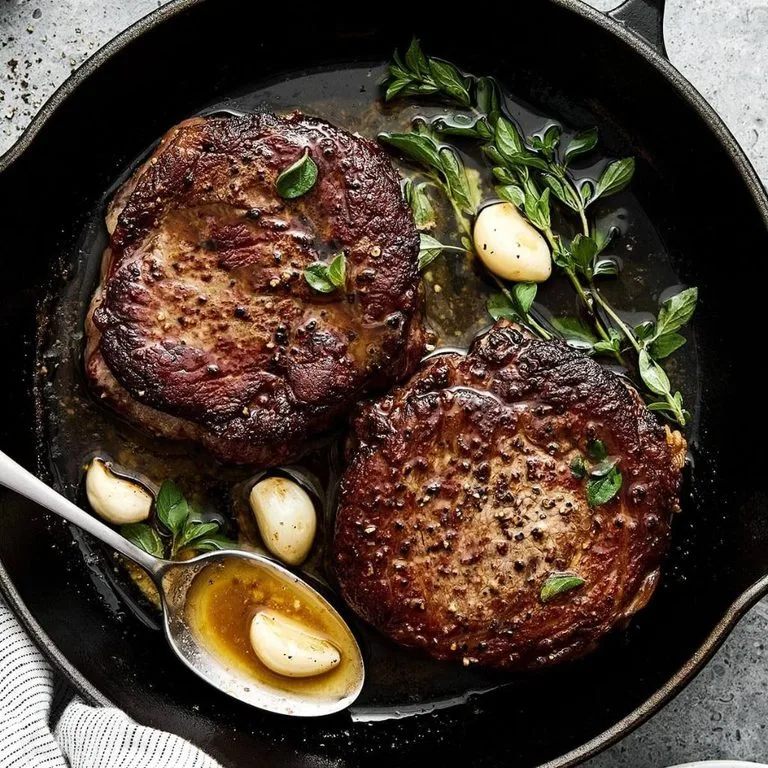
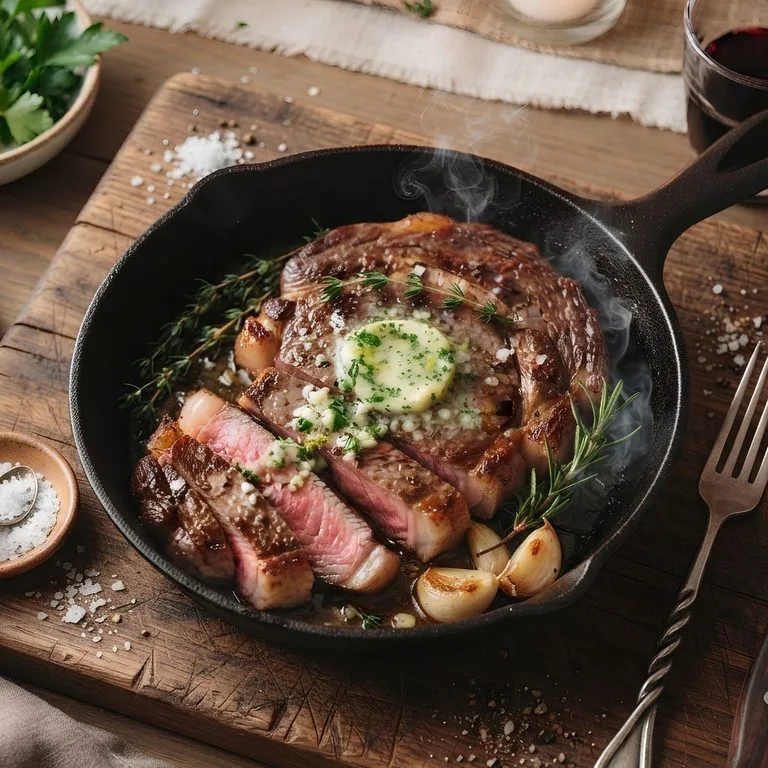
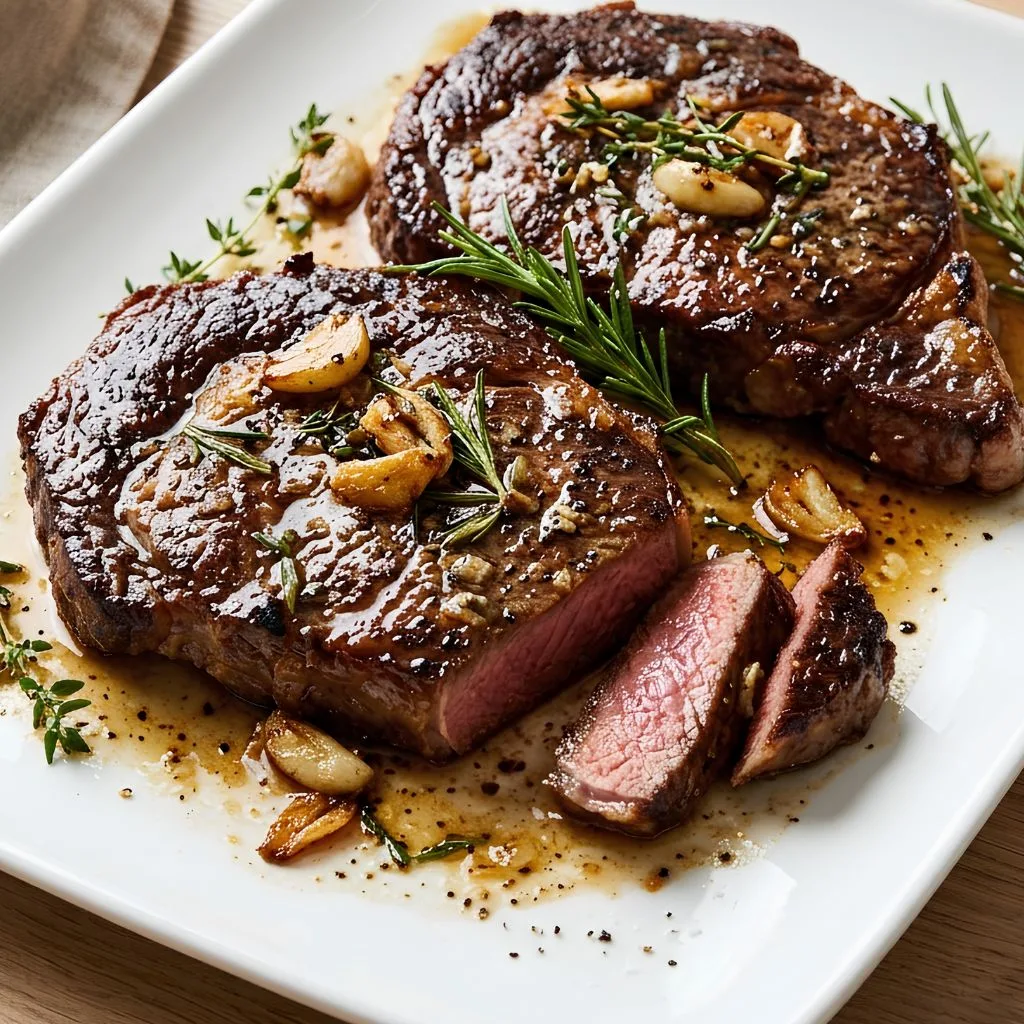
Reduce the heat to medium and add the butter, crushed garlic, and rosemary or thyme. Once the butter melts and becomes fragrant, carefully tilt the pan and spoon the melted butter over the steaks repeatedly.
This technique is called butter-basting. I keep the butter bubbling gently rather than letting it burn, which gives the ribeye a rich finish without a bitter taste.
Step 6: Check the Internal Temperature
Insert an instant-read thermometer horizontally into the thickest part of each steak, avoiding the bone if there is one. Continue cooking and checking as needed until the steak reaches the temperature appropriate for your preferred doneness.
For a medium-rare finish, use the USDA guidance for whole beef steaks: reach 145°F (63°C), followed by a three-minute rest. This is more conservative than the lower temperatures often used for restaurant-style medium-rare steak.
Step 7: Rest Before Serving
Transfer the cooked steaks to a clean cutting board or warm plate and let them rest for at least three minutes. Resting gives you time to prepare your sides and allows the juices to settle before cutting.
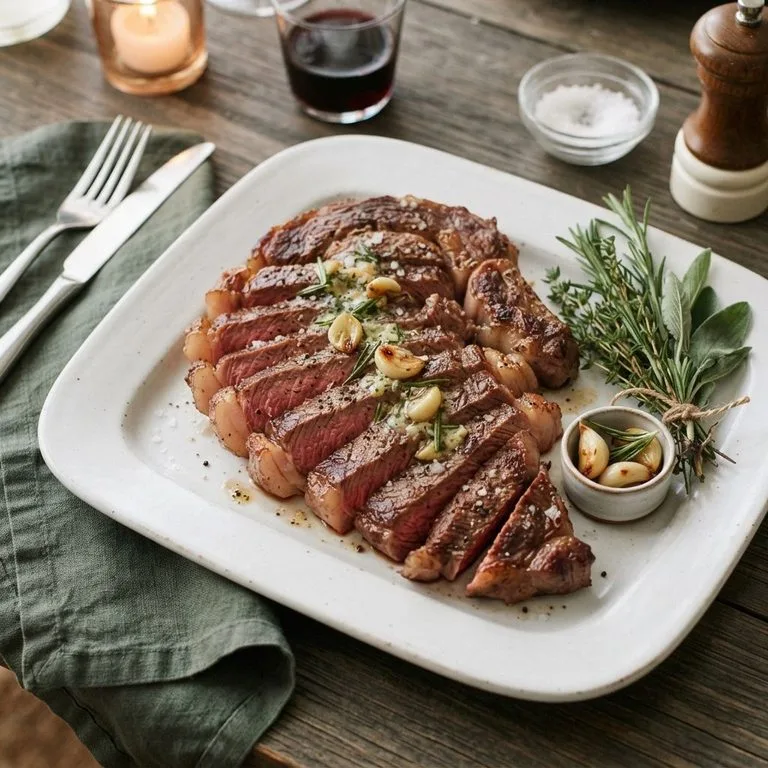
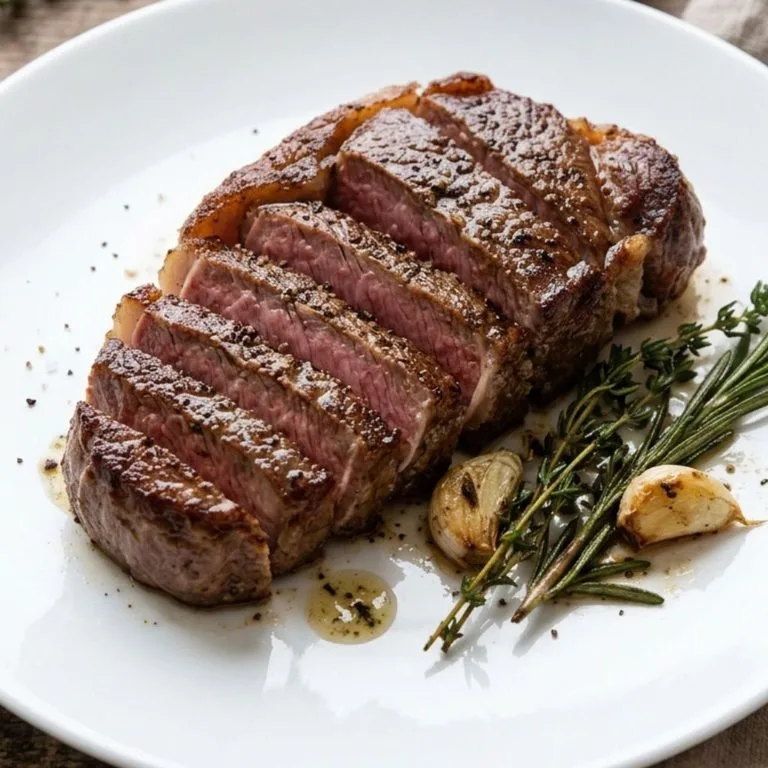
I spoon a little of the fragrant pan butter over the steaks just before serving. Slice against the grain if you prefer serving the ribeye in strips, or serve each steak whole for a classic steakhouse presentation.
Additional Tips for Making This Recipe Better
A few small details can make the difference between a good steak and a memorable one. These are the habits I pay attention to whenever I cook ribeye at home.
- I dry the steak thoroughly: Removing surface moisture helps the beef brown instead of steam.
- I choose steaks with visible marbling: Fine streaks of fat throughout the meat contribute to ribeye’s rich flavor and tender texture.
- I preheat the skillet: A properly heated pan gives the steak a better crust from the start.
- I avoid overcrowding: If the pan is too full, the temperature can drop and the steaks may brown unevenly.
- I add butter near the end: This lets me enjoy its flavor without burning the milk solids during the initial high-heat sear.
- I use a thermometer: Checking the center is more dependable than guessing based on cooking time.
- I let the steak rest: I give it a few minutes before slicing so the juices are less likely to spill across the cutting board.
- I season just before cooking when short on time: If I salt the steak well in advance, I make sure it is ready for cooking with a dry surface.
Common Mistakes to Avoid
I’ve found that a few easy-to-fix mistakes can keep ribeye from developing the crust and texture I want.
- Starting with a wet steak: I always pat the surface dry to encourage browning.
- Using a cold pan: I preheat the skillet before adding the meat so the steak starts searing immediately.
- Adding butter too early: I wait until the initial sear is underway to reduce the chance of burning it.
- Guessing the doneness: I use a thermometer because steaks of different thicknesses cook at different rates.
- Cutting immediately: I allow the steak to rest before slicing to give the juices time to settle.
How to Serve Pan-Seared Ribeye Steak?
I like to serve ribeye while it’s warm, with the browned crust visible and a little garlic-herb butter melting over the top. Simple sides balance its rich flavor without competing with the beef.
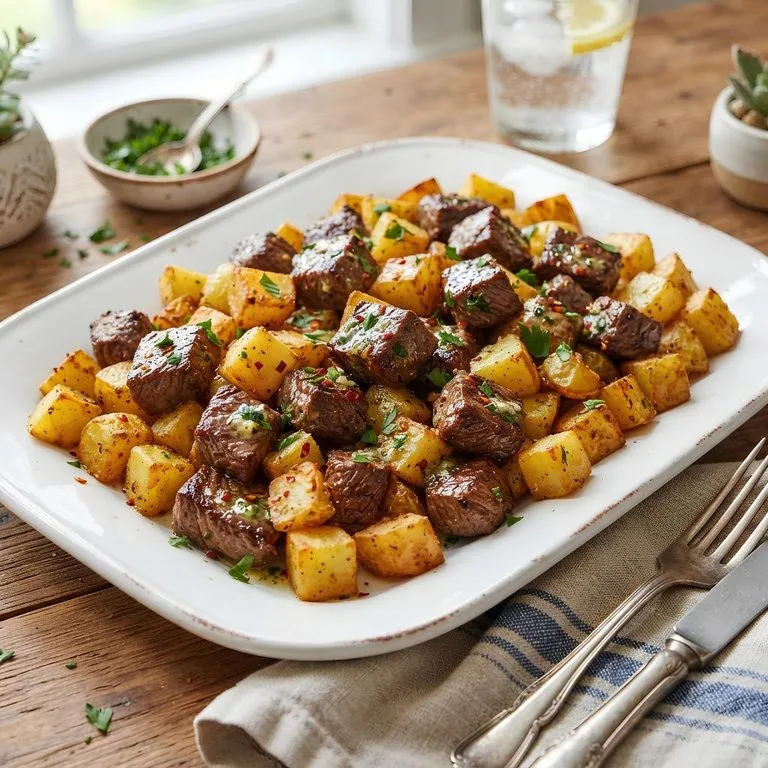
- Roasted potatoes: Crispy potatoes make a hearty, classic steakhouse pairing.
- Mashed potatoes: Creamy potatoes soak up the flavorful butter from the pan.
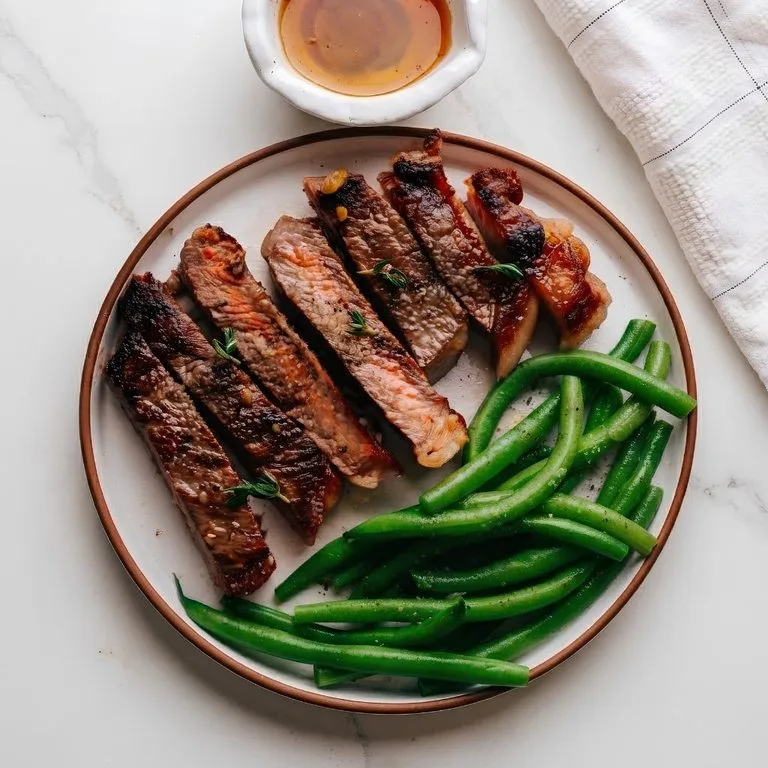
- Steamed asparagus or green beans: Fresh green vegetables add color and a lighter contrast.
- Sautéed mushrooms: Their savory flavor pairs beautifully with ribeye’s natural richness.
- Fresh garden salad: A crisp salad with a tangy dressing balances the buttery steak.
- Garlic bread: Serve a slice alongside the steak to make the meal feel extra special.
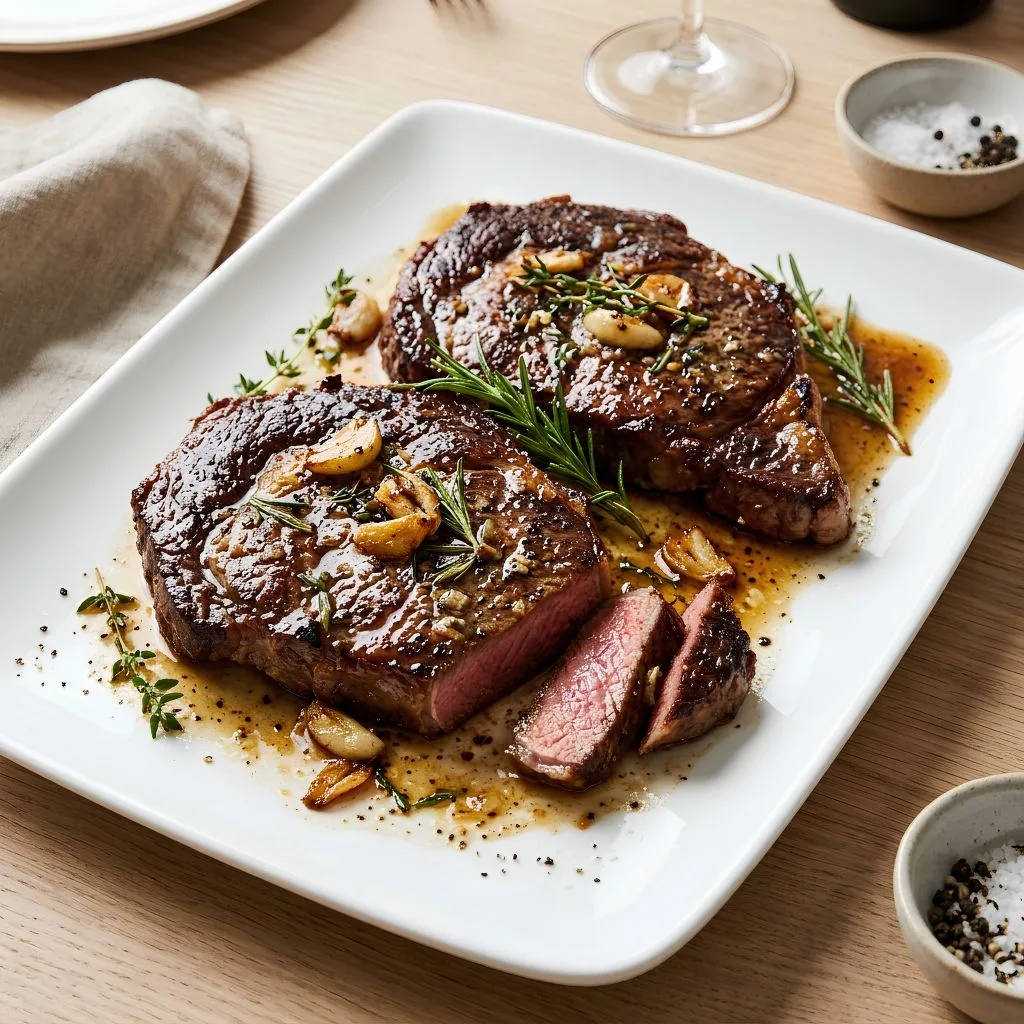
For presentation, place the steak on a warm plate, spoon over a little pan butter, and finish with a sprig of rosemary or thyme. Add freshly cracked black pepper just before serving, and keep any extra butter in a small dish for the table.
Variations
You can adjust this ribeye steak recipe to suit different ingredients, cooking equipment, and flavor preferences.
- Dairy-free version: Replace butter with a dairy-free cooking alternative suitable for high heat, or finish with olive oil and fresh herbs.
- Garlic-forward flavor: Add an extra crushed garlic clove during the butter-basting stage, taking care not to burn it.
- Herb variation: Use thyme, rosemary, or a small amount of sage for a different aromatic finish.
- Spicy ribeye: Add a pinch of red pepper flakes to the butter near the end of cooking.
- Smoky flavor: Season lightly with smoked paprika alongside the salt and black pepper.
- Pan-seared ribeye without cast iron: Use a heavy stainless steel skillet or another sturdy, oven-safe pan that can tolerate high heat.
- Pan-seared ribeye in cast iron: Preheat the cast-iron skillet thoroughly for strong heat retention and an excellent crust.
- Oven-finished steak: For thick steaks, sear both sides first, then transfer the oven-safe skillet to a preheated oven and cook until the desired internal temperature is reached.
- Lower-sodium option: Reduce the salt and rely more on black pepper, garlic, and herbs for flavor.
Nutritional Information
The following figures are approximate estimates for one serving of steak, including a share of the cooking oil and butter. Actual values depend on steak size, marbling, and how much fat remains in the pan.
- Calories: 650–800 kcal
- Protein: 45–60 g
- Carbohydrates: 1–3 g
- Fat: 50–65 g
These estimates are intended as a general guide rather than a laboratory-tested nutrition label. Side dishes and additional butter will change the total.
Make Ahead and Storage
Ribeye is best cooked shortly before serving, but a few simple steps make leftovers easier to enjoy.
Make Ahead
I measure the seasonings, crush the garlic, and wash the herbs ahead of time to make cooking faster. For the best texture, I sear the steak just before serving rather than cooking it hours in advance.
Refrigeration
Store leftover steak in a shallow, airtight container in the refrigerator within two hours of cooking. Properly refrigerated cooked beef is generally best used within 3–4 days.
Reheating
I reheat leftover ribeye gently in a covered skillet over low heat with a small splash of broth or a little butter. Check that leftovers reach 165°F (74°C), and avoid prolonged high heat because it can make the steak tough.
Freezing
For longer storage, wrap cooled steak tightly or place it in a freezer-safe airtight container, then freeze promptly. For best quality, use frozen cooked steak within 2–3 months and thaw it in the refrigerator before reheating.
Why You’ll Love This Recipe
This pan-seared ribeye brings together simple ingredients, a beautiful crust, and a rich, satisfying flavor. Here are a few reasons I keep coming back to it.
- Quick and straightforward: With minimal preparation and a short cooking time, this recipe is manageable even when I want a special dinner on a busy evening.
- Restaurant-style flavor at home: A well-heated skillet and a finishing butter baste create a delicious crust without requiring a grill.
- Easy to customize: I can change the herbs, add garlic, or introduce a little spice without losing the beef’s natural flavor.
- Works with different pans: Cast iron is an excellent option, but a suitable stainless steel skillet can also produce a great result.
- Perfect for many occasions: I can serve it as a simple weeknight meal or pair it with elegant sides for a birthday or dinner party.
FAQs
How long should I pan-sear ribeye for medium-rare?
For a steak around 1–1½ inches thick, begin with approximately 3–4 minutes per side, then check the center with a thermometer. Cooking time varies with pan heat and steak thickness, so use temperature rather than time alone to determine doneness.
Can I make pan-seared ribeye without cast iron?
Yes. A heavy stainless steel skillet can sear ribeye successfully when properly preheated. Choose a pan that distributes heat well, avoid overcrowding, and use an appropriate high-heat cooking oil.
How do I pan-sear ribeye and finish it in the oven?
Sear the steak on both sides in a hot, oven-safe skillet, then transfer the skillet to a preheated oven to finish cooking. Check the thickest part with a thermometer and follow safe internal-temperature guidance; oven time depends on the steak’s thickness and starting temperature.
Can I cook ribeye steak in a pan with butter?
Absolutely. First sear the steak in oil, then lower the heat and add butter, garlic, and herbs. Spoon the melted butter over the meat as it finishes cooking, watching carefully so the butter doesn’t burn.
How should I store leftover pan-seared ribeye?
Refrigerate leftovers in an airtight container within two hours and use them within 3–4 days. Reheat gently until the center reaches 165°F (74°C), or freeze properly wrapped portions for longer storage.
Final Thoughts
A great pan-seared ribeye doesn’t require a long ingredient list or complicated techniques. I focus on a dry steak, a hot skillet, a careful butter baste, and a thermometer to help me get reliable results.
Once you’ve mastered these basics, you can experiment with different herbs, side dishes, and cooking methods to make the recipe your own. Serve it fresh from the pan, add your favorite sides, and enjoy a satisfying steak dinner at home.