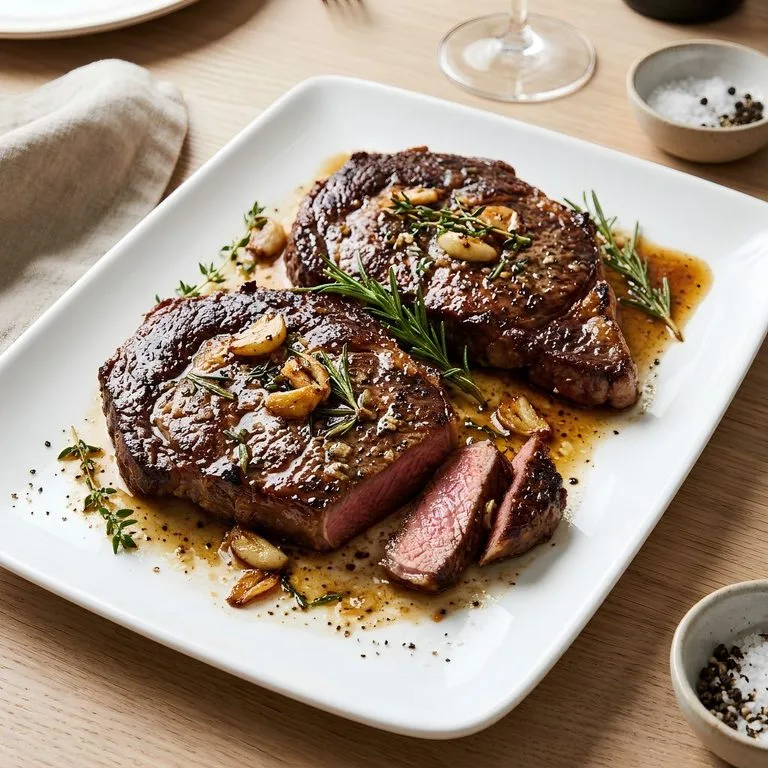
Cast Iron Steak Recipe: Juicy, Buttery Steak with a Perfect Crust

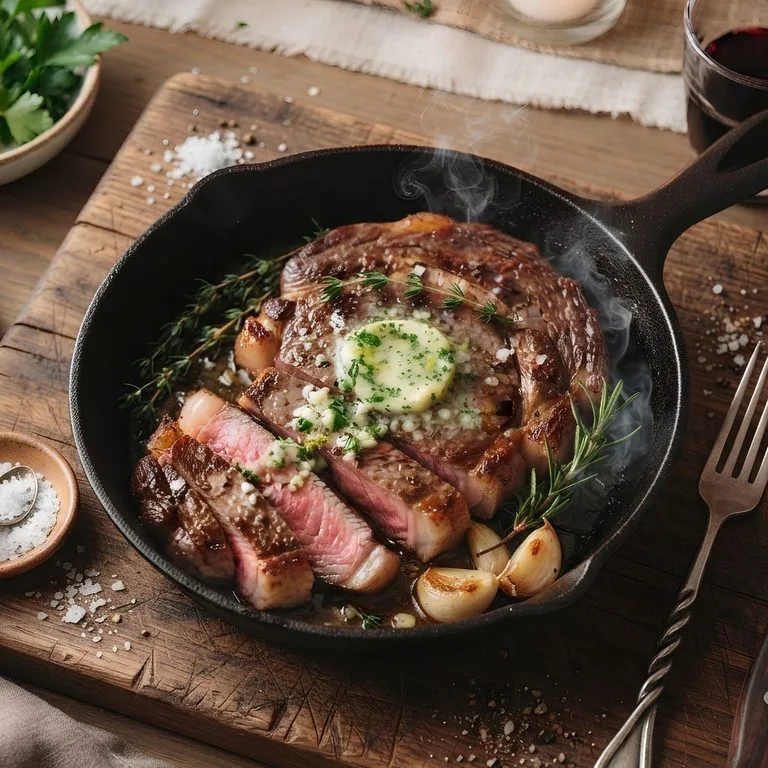
I love making steak in a Cast Iron Steak Recipe because it gives me a beautifully browned crust and a tender, juicy center without needing an outdoor grill. When I first tried cooking steak this way, I was amazed by how much flavor a little butter, fresh rosemary, and thyme could add. I also love that I can prepare a restaurant-style dinner with just a handful of simple ingredients and one reliable pan.
After making this recipe, I learned that a hot skillet, proper seasoning, and a few minutes of resting make a huge difference. If you want a delicious cast iron steak recipe that is easy enough for a weeknight but impressive enough for guests, this is one I keep coming back to!
Cooking Time
This recipe comes together quickly, making it perfect when I want a satisfying meal without spending hours in the kitchen.
- Prep Time: 20 minutes
- Cooking Time: 8 minutes
- Resting Time: 5 minutes
- Total Time: 33 minutes
Ingredients for Cast Iron Steak
I use simple ingredients to create a rich, savory steak with a flavorful herb-butter coating. The quantities below make approximately four servings.
- 1–2 pounds top sirloin steak: I choose sirloin because it is flavorful, relatively lean, and budget-friendly. Ribeye and New York strip work well, too.
- 1–2 teaspoons kosher salt: Salt enhances the natural beef flavor and helps create a well-seasoned crust.
- 1 teaspoon coarsely ground black pepper: Freshly ground pepper adds a bold, slightly spicy flavor and a pleasant texture.
- 2 tablespoons olive oil: Oil helps the steak sear evenly and withstands the initial high heat.
- 3 tablespoons butter or ghee: Butter adds richness, while ghee is a suitable alternative for a dairy-free-from-milk-protein approach only if the product’s labeling and your dietary needs permit it; it is not strictly dairy-free.
- 2–3 sprigs fresh rosemary and/or thyme: These herbs infuse the melted butter with an earthy, fragrant flavor.
Note: Serves 4, depending on the steak’s weight and portion sizes.
Equipment You Need
Having the right equipment makes cooking steak easier and helps me achieve consistent results.
- 12-inch cast iron skillet: Retains heat exceptionally well and creates a deeply browned steak crust.
- Kitchen tongs: Let me turn the steak safely without piercing the meat.
- Instant-read meat thermometer: Helps me check doneness accurately instead of guessing by cooking time.
- Tablespoon and teaspoon measures: Keep the oil, butter, and seasonings consistent.
- Cutting board: Provides a clean surface for resting and slicing the finished steak.
- Sharp knife: Makes it easier to slice the steak against the grain.

How to Make a Cast Iron Steak Recipe?
I follow a straightforward stovetop method that combines high-heat searing with gentle cooking and aromatic herb butter. The trick is to build a flavorful crust first, then reduce the heat so the inside cooks without burning the outside. Follow these steps to make a juicy steak with a delicious, buttery finish.
Step 1: Bring the Steak to Room Temperature
Remove the steaks from the refrigerator and let them sit for about 20 minutes before cooking. Pat the surfaces dry with paper towels to remove excess moisture, which can interfere with browning.
I avoid leaving raw beef at room temperature for extended periods. Keep preparation efficient and follow food-safety guidance.
Step 2: Heat the Cast Iron Skillet
Place a 12-inch cast iron skillet over medium-high heat and add the olive oil. Allow the pan to heat until the oil shimmers, but do not let it smoke heavily.
A properly heated skillet is essential for a strong sear. I make sure the pan is hot before adding the meat so the steak browns instead of steaming.
Step 3: Season the Steak Generously
Sprinkle kosher salt and coarsely ground black pepper over both sides of the steak. Use your hands to press the seasoning gently into the surface so it adheres during cooking.
This simple cast iron steak seasoning allows the natural flavor of the beef to shine. I keep additional seasonings minimal because the herb butter adds plenty of flavor later.
Step 4: Sear the Steak on Both Sides
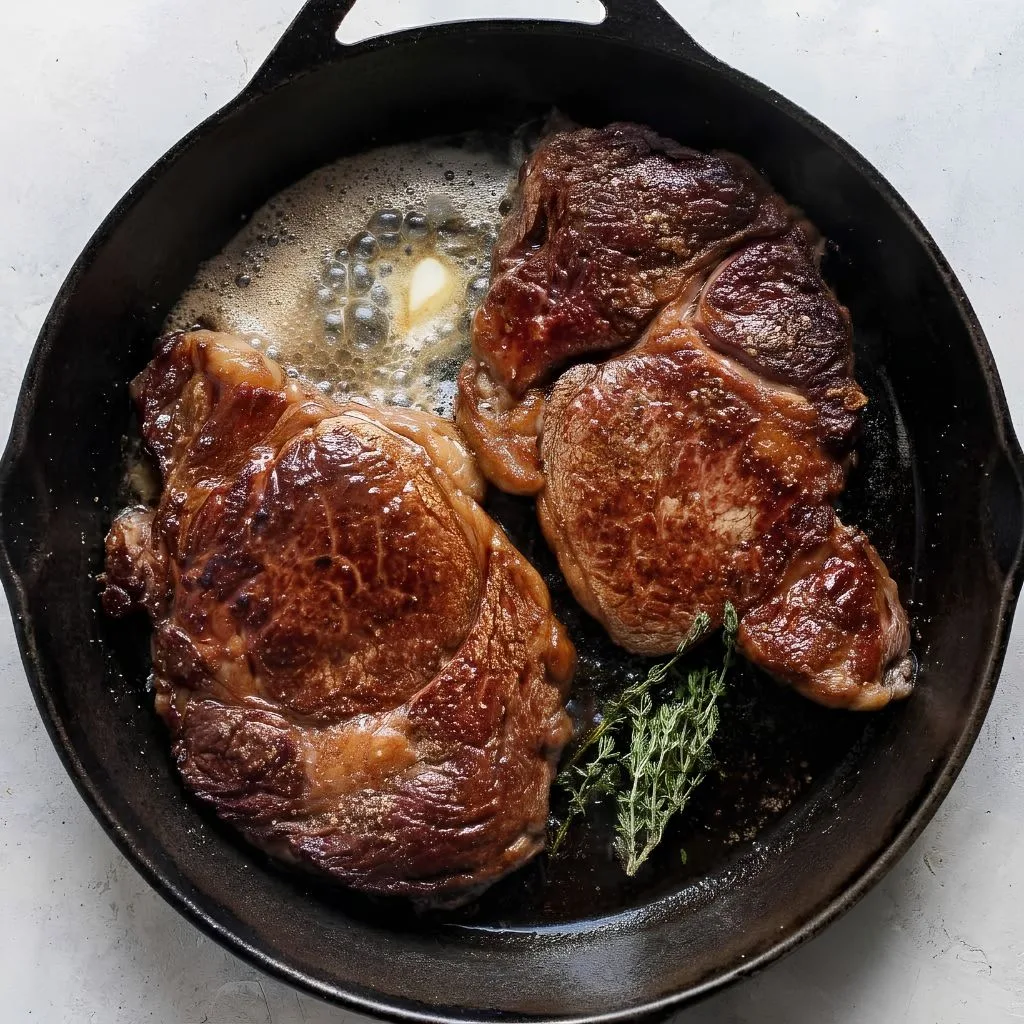
Carefully place the steaks into the hot skillet, leaving a little space between them. Sear for approximately 2 minutes per side, or until a deep golden-brown crust develops.
Avoid moving the steaks around unnecessarily. If the pan is crowded, cook in batches so the meat can brown properly rather than releasing moisture into an overcrowded skillet.
Step 5: Add the Butter and Fresh Herbs
Reduce the heat to medium-low and add the butter or ghee along with the rosemary and thyme. Allow the butter to melt gently and become fragrant without burning.
The combination of butter and fresh herbs creates the signature flavor of this cast iron steak recipe. I like to let the herbs infuse the butter briefly before using it to coat the meat.
Step 6: Baste the Steak with Herb Butter
Tilt the skillet carefully using an oven mitt, keeping the hot butter safely contained in the pan. Spoon the melted herb butter over the steaks several times, allowing it to coat their surfaces.
Turn the steaks as needed and continue cooking over lower heat until they approach your preferred doneness. I use a thermometer rather than relying on the clock alone because steak thickness can change the cooking time considerably.
Step 7: Check the Internal Temperature
Insert an instant-read thermometer into the thickest part of the steak, avoiding contact with the pan. For the source recipe’s timing guide, the suggested pull temperatures are approximately 120°F for rare, 130°F for medium-rare, 140°F for medium, 145°F for medium-well, and 155°F for well-done.
These are cooking-style targets rather than universal food-safety recommendations. For food safety, the USDA recommends whole cuts of beef reach 145°F and rest for at least 3 minutes; follow the guidance appropriate to your needs.
Step 8: Rest, Slice, and Serve
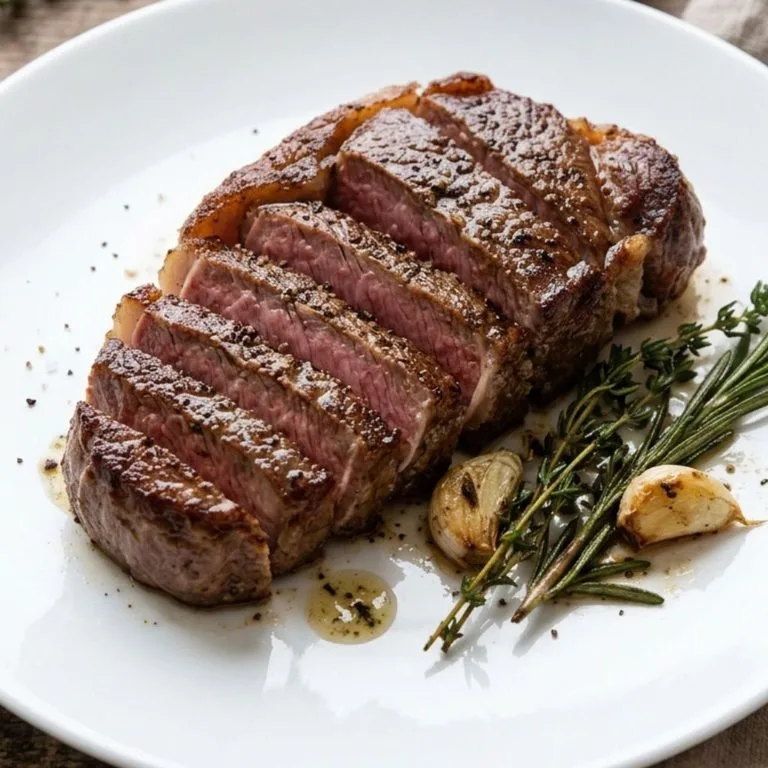
Transfer the steaks to a clean plate or cutting board and let them rest for about 5 minutes. Resting allows the temperature to even out and helps the meat retain more of its juices when sliced.
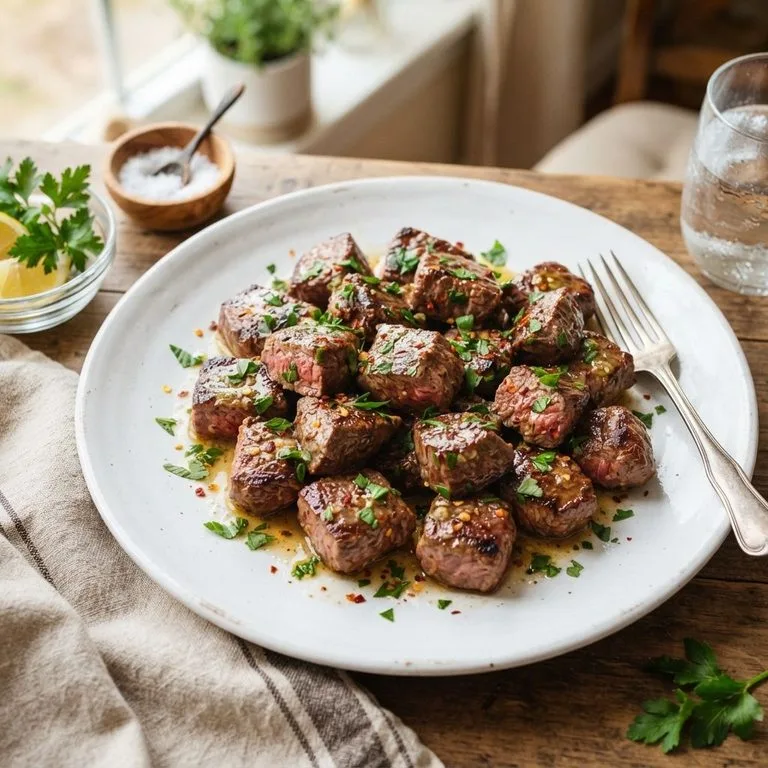
Slice against the grain if serving the steak in strips, or serve each steak whole. Spoon a little of the remaining herb butter over the top for a glossy, flavorful finish.
Additional Tips for Making This Recipe Better
These are the techniques I focus on whenever I want a better sear and more flavorful steak.
- I always pat the steak dry before seasoning because moisture on the surface makes browning harder.
- I choose steaks of similar thickness so they cook at roughly the same rate.
- I let the skillet heat properly before adding the meat to encourage a dark, flavorful crust.
- I lower the heat before adding butter because butter can burn at high temperatures and develop a bitter flavor.
- I use fresh rosemary or thyme whenever possible because their aroma makes the butter especially delicious.
- I check the thickest part with an instant-read thermometer rather than assuming every steak needs the same cooking time.
- I rest the steak before slicing and save the flavorful pan juices to spoon over the finished dish.
Common Mistakes to Avoid
A few small adjustments can make the difference between a tender steak and a disappointing one.
- Using a cold skillet: I wait until the oil shimmers before adding the steak so the meat develops a proper crust.
- Cooking wet steak: I pat the surface dry because excess moisture prevents effective searing.
- Burning the butter: I reduce the heat before adding butter and herbs to preserve their rich flavor.
- Guessing the doneness: I use a thermometer because cooking times vary with thickness, starting temperature, and pan heat.
- Cutting immediately: I let the steak rest for approximately 5 minutes so it stays juicier when served.
How to Serve Cast Iron Steak?
A beautifully cooked steak deserves sides and presentation that complement its rich, savory flavor. I like to serve it immediately after resting, while the herb butter is still warm.
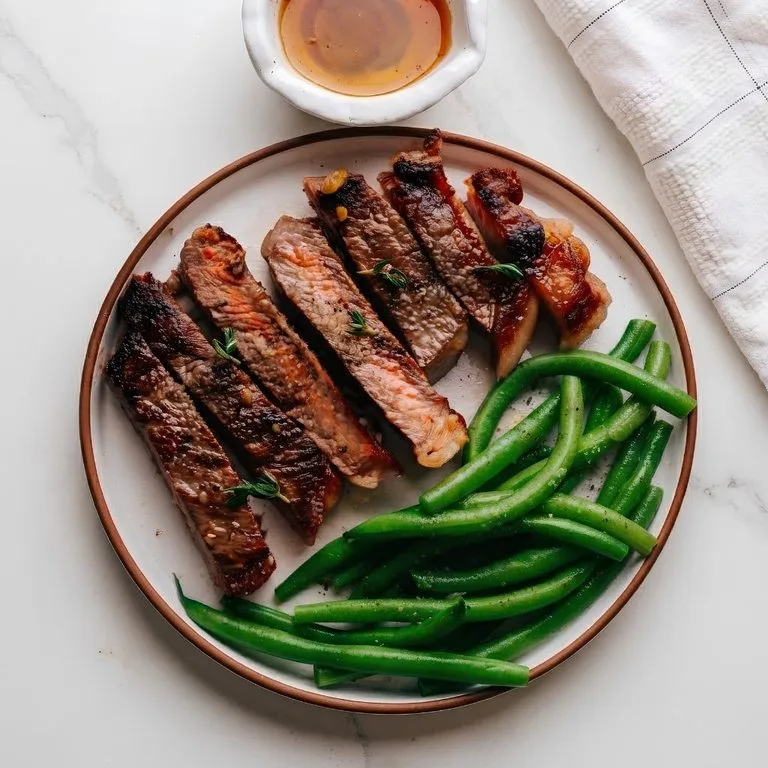
- With roasted vegetables: Serve alongside roasted broccoli, carrots, asparagus, or green beans for a colorful plate.
- With mashed potatoes: Creamy potatoes balance the steak’s browned crust and buttery flavor.
- With a fresh salad: A crisp green salad with a light vinaigrette adds freshness to the meal.
- With rice or baked potatoes: These simple sides soak up the flavorful juices without competing with the beef.
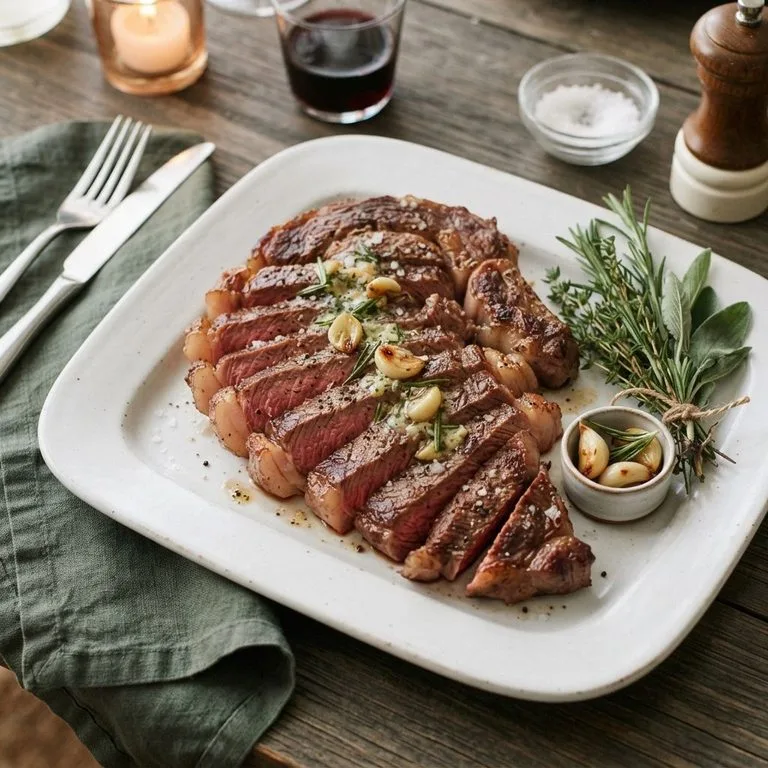
- For an elegant dinner: Slice the steak against the grain and arrange the slices slightly overlapping on a warm platter.
- For the finishing touch: Add a sprig of rosemary, freshly cracked black pepper, and a spoonful of herb butter just before serving.
Variations
One reason I enjoy this recipe is that the basic technique works with different cuts and flavor combinations.
- Cast iron steak recipe ribeye: Replace the sirloin with ribeye for a richer steak with more marbling. Adjust cooking time according to thickness.
- New York strip steak: Use strip steak for a meaty texture and a satisfying balance of tenderness and flavor.
- Garlic herb butter: Add a lightly crushed garlic clove to the butter and herbs for a more savory finish.
- Dairy-free alternative: Replace butter with a suitable dairy-free cooking fat, such as a plant-based butter alternative, and check that the product tolerates the required heat.
- Ghee variation: Use ghee for a rich, buttery flavor if it fits your dietary requirements. Ghee is clarified butter and is not guaranteed to be dairy-free.
- Smoky seasoning: Add a small pinch of smoked paprika to the salt and pepper for a deeper, smoky flavor.
- Spicy steak: Add a little crushed red pepper to the herb butter for gentle heat.
- Reverse-sear method: For a thick steak, cook it gently in a low oven first, then sear it in a hot cast iron skillet. This differs from the quick stovetop method and is useful when you want more control over the center.
Nutritional Information
The following estimates are based on one serving of the original recipe prepared with top sirloin. Actual values vary with the cut of beef, portion size, and amount of fat consumed.
- Calories: 355 kcal
- Protein: 35 g
- Carbohydrates: 3 g
- Fat: 23 g
Make Ahead and Storage
This steak is delicious freshly cooked, but I also find it useful for meal prep when I need quick lunches or dinners.
Make Ahead
You can measure the seasonings and prepare the fresh herbs ahead of time. For the best crust, cook the steak shortly before serving; if seasoning it in advance, keep it refrigerated and handle it safely.
Refrigeration
Place leftover steak in a shallow, airtight container and refrigerate within 2 hours of cooking. For best quality, use it within 3–4 days, following USDA guidance for cooked beef leftovers.
Reheating
I prefer reheating steak gently so it does not become tough or dry. Warm it in an oven set to approximately 250°F until heated through, checking the temperature with a thermometer; leftovers should reach 165°F when reheated for food safety.
You can also slice the steak and warm it briefly in a skillet with a splash of water or a little reserved pan juice. Avoid prolonged high heat, which can make the meat chewy.
Freezing
Freeze cooked steak in an airtight freezer-safe container or well-sealed freezer bag, adding a little pan juice if available. For best quality, use it within 2–3 months, although frozen food kept continuously at 0°F remains safe longer.
Thaw frozen steak in the refrigerator rather than on the counter, then reheat it thoroughly before serving.
Why You’ll Love This Recipe
This cast iron steak is a reliable choice when you want a satisfying dinner without complicated preparation.
- Restaurant-style flavor at home: I love how the hot skillet creates a rich, browned crust while the butter and fresh herbs add a fragrant finish. It feels special without requiring a long ingredient list.
- Quick and convenient: The active cooking process is short, and most of the ingredients are everyday kitchen staples. It is an excellent option for a weeknight meal or a relaxed weekend dinner.
- Easy to customize: You can use sirloin, ribeye, or New York strip and adjust the seasoning to your taste. The same technique offers plenty of room for experimentation.
- Perfect for meal prep: Leftover steak works beautifully in salads, wraps, rice bowls, and sandwiches. I like slicing it thinly to make the next day’s lunch effortless.
- Naturally low in carbohydrates: The basic recipe contains very few carbohydrates and can fit into several eating styles, depending on the ingredients and individual dietary needs.
FAQs
How Long Should I Cook Steak in a Cast Iron Skillet for Medium-Rare?
For steaks of similar thickness to the source recipe, start with about 2 minutes per side to develop the crust, then reduce the heat and continue cooking as needed. Use a thermometer rather than relying on time alone; medium-rare is commonly associated with a final temperature around 130–135°F, while food-safety guidance recommends 145°F plus a 3-minute rest for whole cuts of beef.
Can I Cook Steak in a Cast Iron Skillet and Oven?
Yes. You can sear the steak in a hot cast iron skillet and transfer it to a preheated oven to finish cooking, provided the skillet is oven-safe. This method is especially useful for thick steaks, but the cooking time depends on thickness and the oven temperature.
How Do I Cook a Steak in a Cast Iron Skillet with Butter?
First, sear the seasoned steak in hot oil to build a crust. Lower the heat, add butter and fresh rosemary or thyme, and spoon the melted herb butter over the steak as it finishes cooking.
Can I Use Ribeye Instead of Sirloin?
Absolutely. Ribeye works well because its marbling gives it a rich flavor, while New York strip is another good option. Cooking time may change depending on thickness and fat content, so check the internal temperature.
Should I Cover the Steak While Cooking?
I generally leave the skillet uncovered for this recipe because direct contact with the hot pan helps the steak brown. Covering it traps steam and can soften the crust you worked to develop.
Final Thoughts
A great cast iron steak does not require complicated ingredients or professional cooking equipment. I rely on a hot skillet, a well-seasoned piece of beef, fresh herbs, and carefully added butter to create a flavorful meal at home.
Once you learn to control the heat, check the internal temperature, and allow the steak to rest, the process becomes much easier. Serve it with your favorite sides, experiment with different cuts, and make this simple cast iron steak recipe your own.