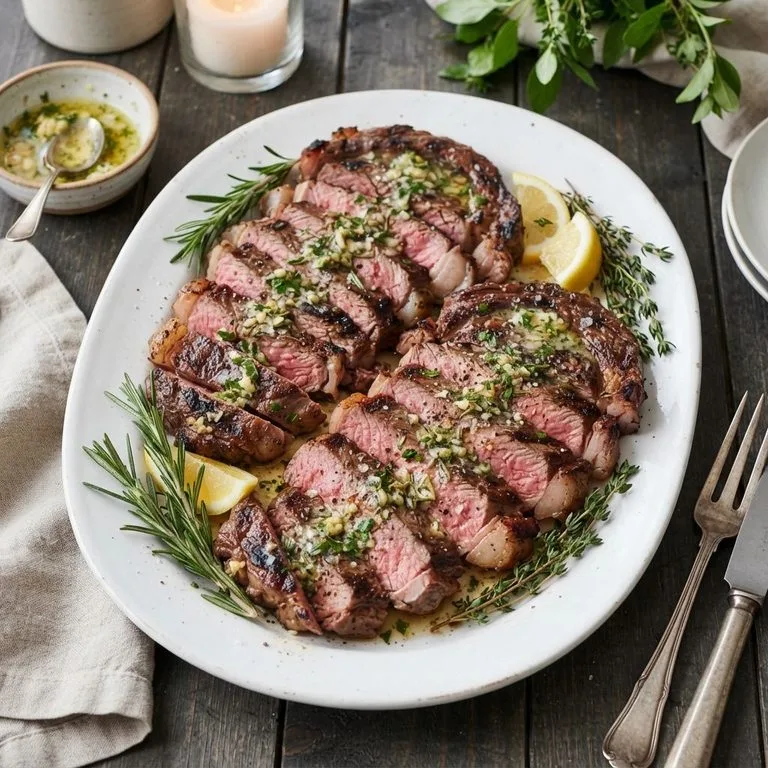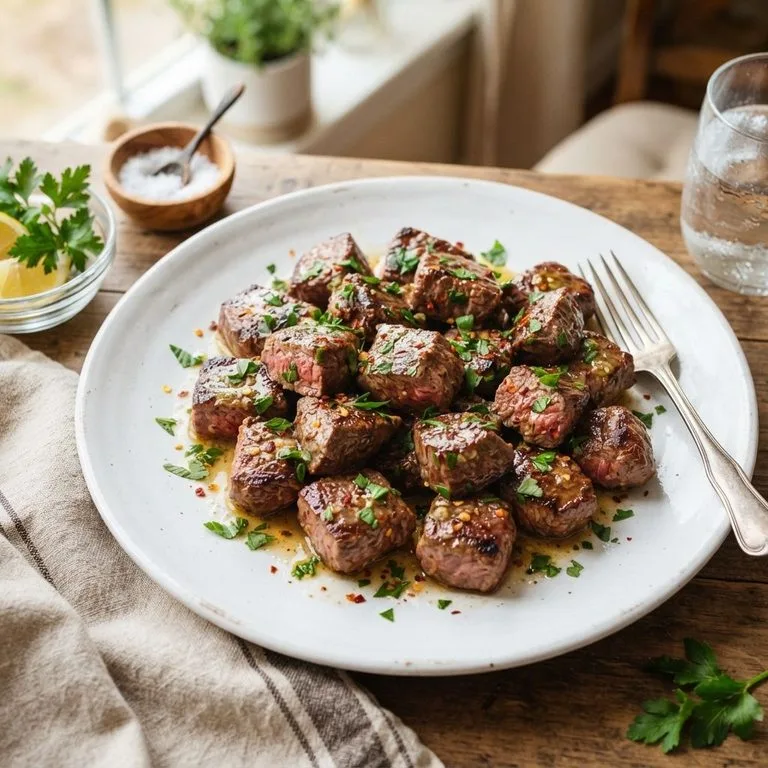
Perfect Pan Seared Steak Recipe: Juicy, Crusty & Ready in 10 Mins

I still remember the first time I got a real crust on a steak at home, and I have chased that sizzle ever since. After making this Pan Seared Steak Recipe more times than I can count, I finally have a method that never lets me down. It needs only a hot skillet, a good steak, salt, and pepper.
The outside turns deep brown while the inside stays tender and juicy. I’m sharing every detail I learned so you can nail it on your very first try.
Cooking Time
Good news: the actual cooking is quick. Most of the wait is letting the steak warm up on the counter.
- Prep Time: 2 minutes
- Cooking Time: 8 minutes
- Total Time: 1 hour 10 minutes (includes 1 hour for the steaks to come to room temperature)
Ingredients
This list is short on purpose. When there are only a few ingredients, each one matters a lot.
- 2 boneless ribeye or strip steaks, 1 inch thick (about 1 pound each) – Boneless cuts touch the pan fully, so they sear evenly.
- 1½ teaspoons kosher salt – Season right before cooking so the salt doesn’t pull out moisture early.
- ½ teaspoon freshly ground black pepper – Fresh pepper has a bolder flavor than the pre-ground kind.
- 2 teaspoons high smoke point oil (beef tallow, avocado, or vegetable) – It handles the heat without burning.
- 2 tablespoons salted butter, optional – Add it at the end for a rich, glossy finish.
Note: This serves 2.
Equipment You Need
The right tools make searing much easier. Here is what I keep within reach.
- Cast iron skillet – It holds heat well and builds a deep crust.
- Paper towels – They dry the steak so it browns instead of steaming.
- Pastry brush – It spreads a thin layer of oil on the hot pan.
- Tongs – They let you flip the steak without piercing it.
- Instant-read thermometer – It tells you the exact doneness, so there is no guessing.
- Wire rack or plate – It gives the steak a place to rest after cooking.
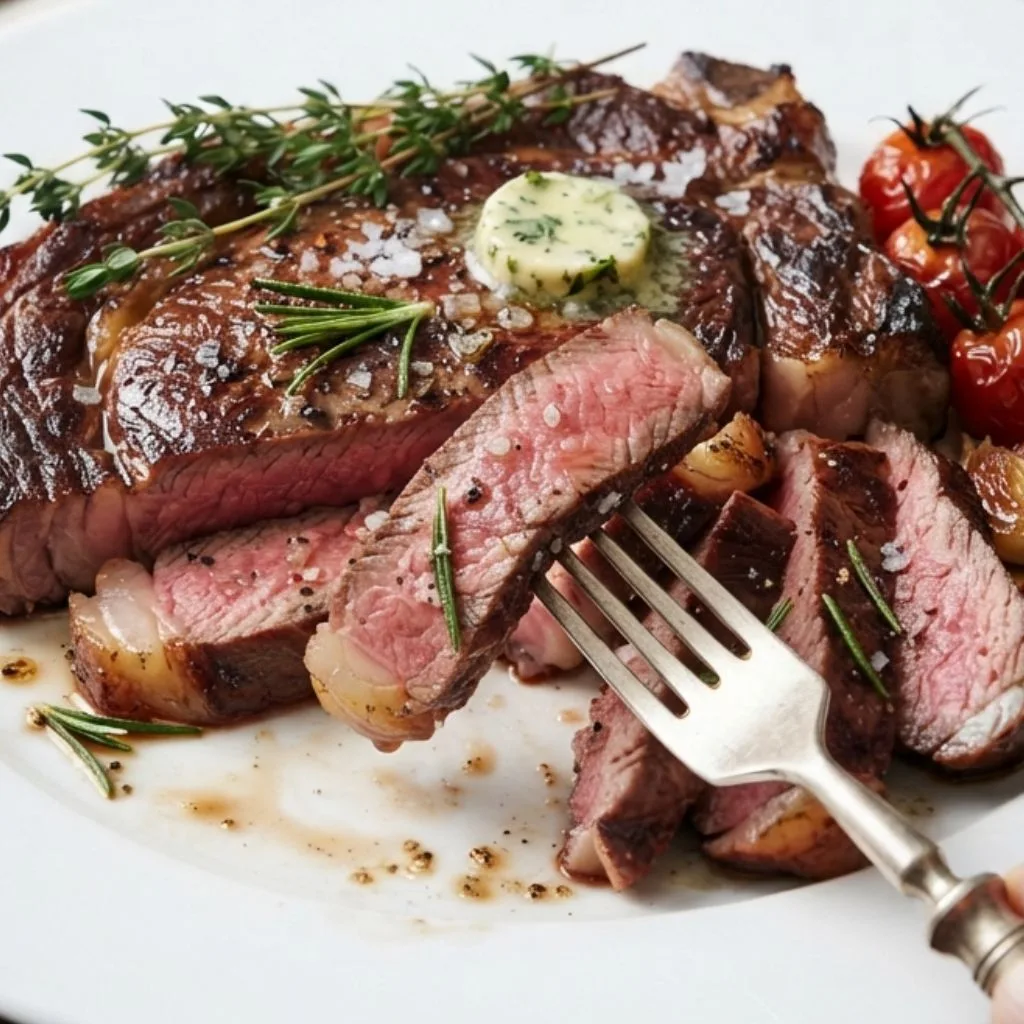
How to Make Pan Seared Steak Recipe?
Searing a steak is simple once you know the rhythm. Heat the pan well, keep the steak dry, and then leave it alone. Follow these steps in order and you will get a steakhouse-style crust at home.
Bring the Steak to Room Temperature
Take the steaks out of the fridge 60 to 120 minutes before cooking. A cold steak overcooks on the outside while the center is still catching up. Letting it sit on the counter gives you a more even doneness from edge to edge.
Pat the Steak Completely Dry
Press paper towels firmly on every side of the steak, including the edges. Any moisture left on the surface will turn to steam and block browning. I use two or three towels per steak to be safe.
Heat the Skillet Until Almost Smoking
Place your skillet over medium-high heat for several minutes. You want it very hot, just shy of smoking. A properly heated pan is the secret behind that loud, satisfying sizzle.
Season Just Before Cooking
Sprinkle salt and pepper evenly over all sides of the steak right before it goes into the pan. Salting too early draws out juices and leaves the surface wet. Press the seasoning lightly so it sticks.
Oil the Pan and Add the Steak
Brush the oil over the hot skillet, then lay the steak down away from you. It should sizzle right away. If it doesn’t, pull the steak back out and let the pan heat a little longer.
Sear Without Moving It
Let the steak cook for 3 to 4 minutes without touching it. Moving it breaks contact with the hot surface and ruins the crust. Resist the urge to peek too early, because patience pays off here.
Flip Once and Cook the Other Side
When the first side is deeply browned, flip the steak once with tongs. Cook another 3 to 4 minutes on the second side. For a 1-inch steak, this timing lands close to medium rare on a strong gas burner.
Add Butter if You Like
In the last minute, drop in the butter and tilt the pan. Spoon the melted butter over the steak a few times. This gives you a rich, buttery finish and extra flavor.
Check the Internal Temperature
Slide the thermometer into the thickest part of the steak. Aim for 125°F for rare, 135°F for medium rare, 145°F for medium, 150°F for medium well, and 160°F for well done. Pull the steak a few degrees early, since it rises about 5°F while resting.
Rest Before Slicing
Move the steak to a wire rack or plate and let it rest for at least 5 minutes. The juices settle back into the meat during this time. Cutting too soon sends all that flavor onto the board.
Additional Tips for Making This Recipe Better
A few small habits changed my steak game completely. These are the ones I never skip.
- I always choose a skillet that is close to the size of the steak, because a huge pan lets the drippings burn on the bare metal.
- I rest the steak on a wire rack instead of a flat plate, so the bottom crust stays crisp.
- I trust my thermometer more than the clock, since every stove runs a little different.
- I look for Choice or Prime beef when I can, because the extra marbling makes the steak juicier.
- For thick cuts like filet mignon, I sear first and then finish in a 400°F oven for at least 5 more minutes. This pan seared steak then oven method keeps the center perfectly cooked.
- If I’m cooking a steak that is 1.5 inches thick or more, I plan for the oven finish from the start. It is the reverse of a reverse sear steak, where the oven comes first, but the sear-first way keeps things simple.
- I memorize the main steak temps (135°F is my medium rare steak temp), so I never have to look them up mid-cook.
Common Mistakes to Avoid
I have made all of these myself, so learn from my kitchen mishaps.
- Using a nonstick pan: I once tried a pan seared steak non stick style, and it couldn’t handle the high heat. Use cast iron or a heavy, uncoated pan instead.
- Cooking with extra virgin olive oil: Its smoke point is too low, and my kitchen filled with smoke. I stick to tallow, avocado, or vegetable oil now.
- Moving the steak around: I used to nudge it constantly and never got a crust. Now I leave it alone until it’s time to flip.
- Slicing right away: I cut into a steak too soon once and watched the juices run everywhere. Always rest it first.
- Cooking it from frozen: The outside burned before the middle thawed. I always thaw the steak completely before cooking.
How to Serve Pan Seared Steak?
A great steak deserves great company on the plate. Here are the ways I like to present it.
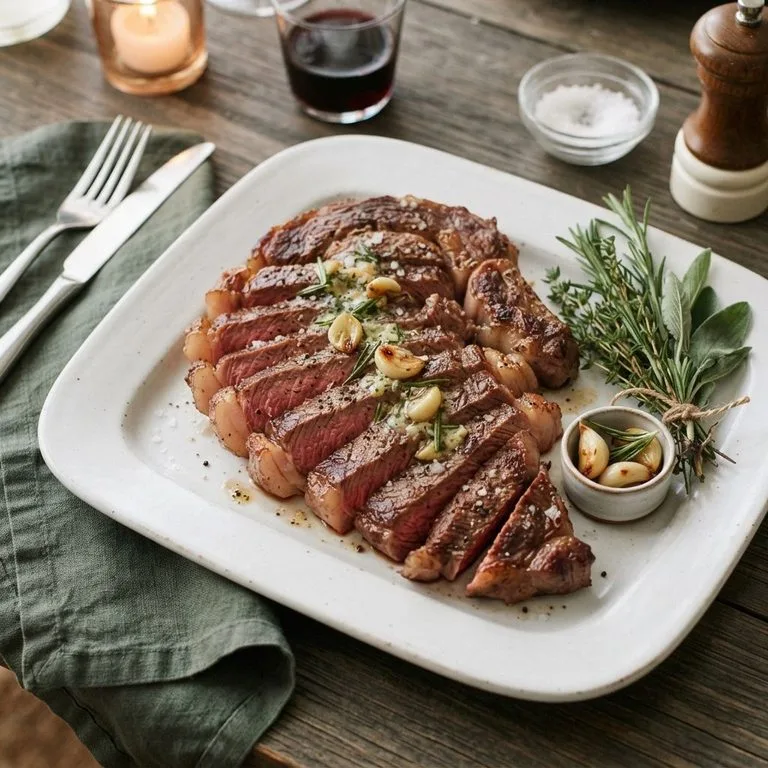
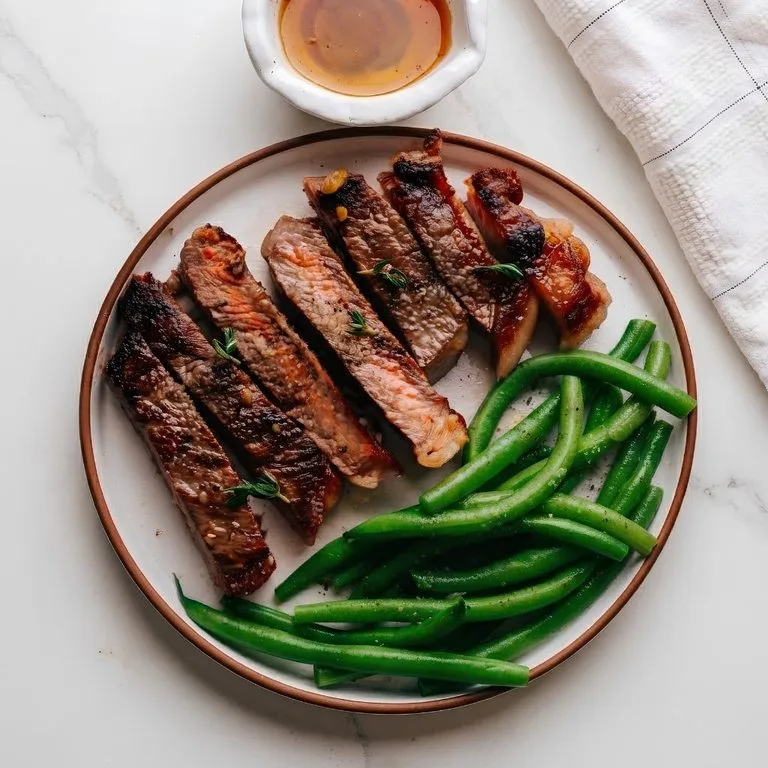
- Slice the steak against the grain and fan the pieces over a warm plate.
- Pair it with potato gratin or crispy smashed potatoes for a hearty dinner.
- Serve garlic herb steak fries on the side for a bistro-style meal.
- Add roasted Brussels sprouts, roasted parsnips, or maple glazed carrots for color.
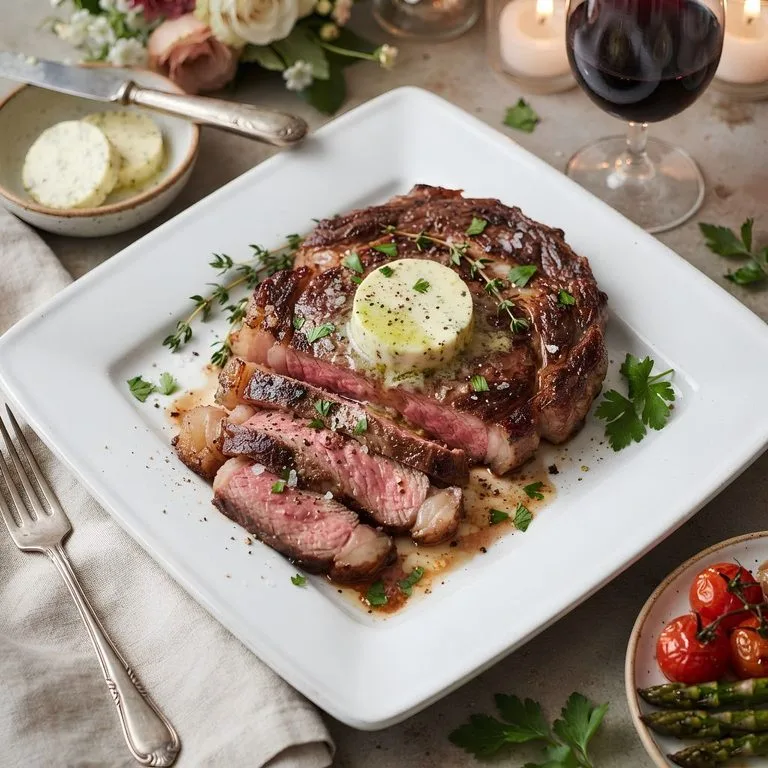
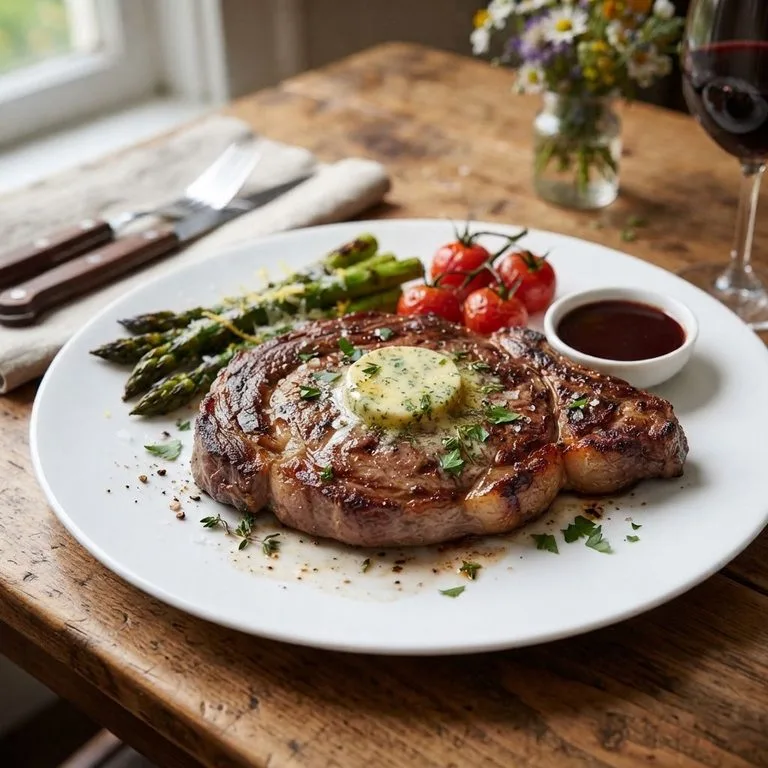
- Top with a pat of compound butter and a sprinkle of fresh chives.
- Slice leftovers thin and toss them over a crisp steak salad the next day.
Variations
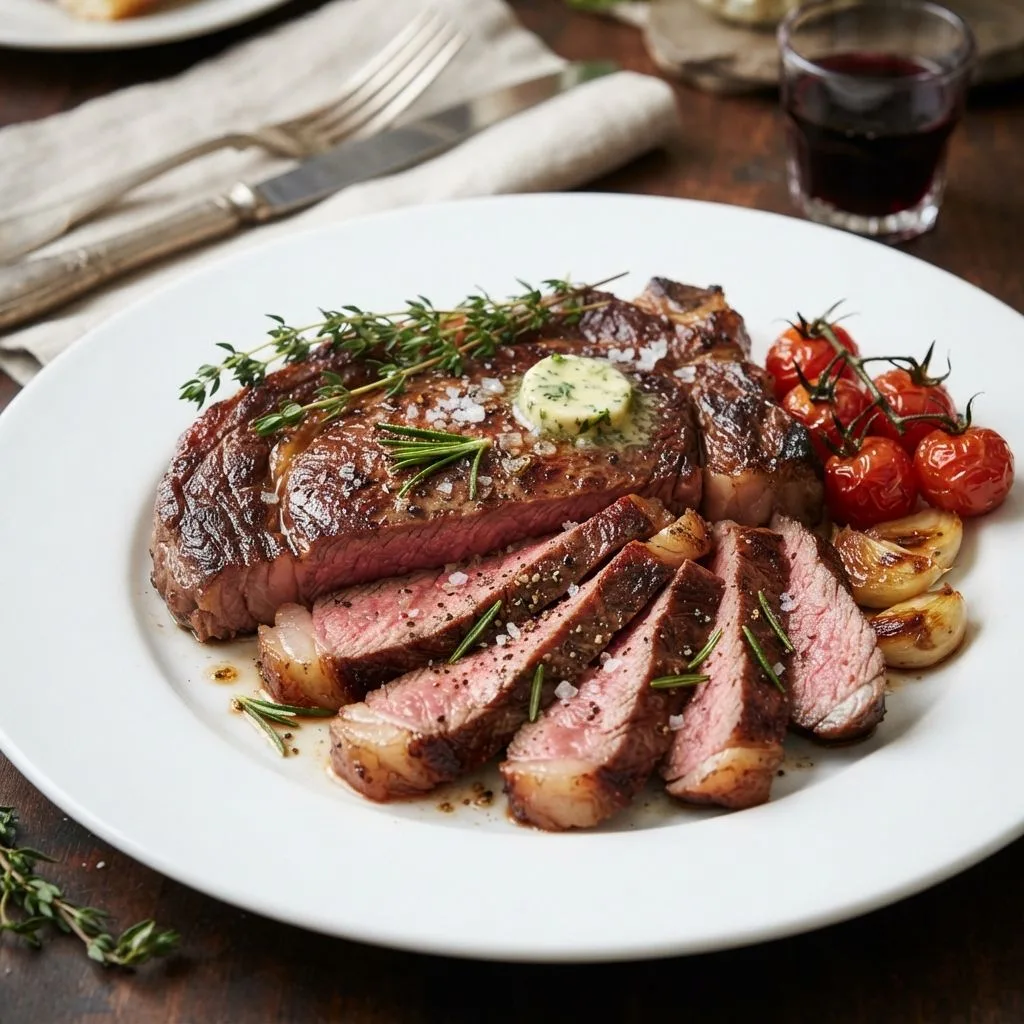
This steak is a perfect base, and it is easy to switch up. Try these ideas when you want something different.
- Compound butter: Mix softened salted butter with chopped chives or minced garlic, then melt a spoonful on top.
- Pan sauce: Melt butter in the pan, add chopped onion and garlic, then deglaze with a couple of tablespoons of Worcestershire sauce.
- Grass-fed beef: Use the same method, but check the temperature early because lean beef cooks faster.
- Dairy-free: Skip the butter and finish with extra oil or a drizzle of olive oil after cooking.
- Thick cuts: Sear first, then move the skillet to a 400°F oven to finish gently.
Nutritional Information
Here is a rough look at what one serving contains. These numbers are estimates and may vary with the cut you use.
- Calories: 928 kcal
- Protein: 64 g
- Carbohydrates: 1 g
- Fat: 74 g
Make Ahead and Storage
Steak tastes best fresh, but leftovers can still be good. Here is how I handle them.
Storage
Keep cooked steak in an airtight container in the fridge. It stays fresh for up to 3 days. Let it cool a little before closing the lid.
Reheating
Warm the steak in a pan over medium heat for a couple of minutes per side. This keeps the crust better than the microwave. If you must use the microwave, heat it at 50% power in 30-second bursts and check often.
Freezing
Wrap the steak tightly in an airtight container and freeze for up to 2 months. Thaw it fully before reheating. The texture is noticeably softer after freezing, so I save this for emergencies.
Why You’ll Love This Recipe?
This recipe is the kind I make on busy nights and special occasions alike. Here is why it has earned a permanent spot in my rotation.
- It’s incredibly quick: The steak cooks in about 8 minutes, so dinner is ready fast. Most of the time is just letting the meat warm up on the counter.
- It needs very few ingredients: You only need steak, salt, pepper, and oil. That makes shopping easy and the flavor beautifully pure.
- It gives restaurant-level results: A hot skillet creates a deep, golden crust that looks and tastes professional. Your family will think you ordered out.
- It’s easy to customize: Add garlic butter, a quick pan sauce, or fresh herbs. You can match it to any mood or side dish.
- It’s naturally low in carbs: With just 1 gram of carbohydrates per serving, it fits low-carb and high-protein eating styles well.
FAQs
What is the best cut of steak for pan searing?
Boneless ribeye and strip steaks work best. They have good marbling and sit flat against the pan for an even crust.
Can I make a pan seared steak without cast iron?
Yes, a heavy stainless steel pan or another uncoated, heat-retaining skillet works well. Avoid nonstick, since it can’t take the high heat.
How long do I cook a steak for medium rare?
For a 1-inch steak, sear 3 to 4 minutes per side. Confirm with a thermometer, and pull it at about 135°F for medium rare.
Can I cook a steak from frozen?
I don’t recommend it. Thaw the steak first so it cooks evenly and develops a proper crust.
How do I reheat leftover steak?
Warm it in a pan over medium heat for a couple of minutes per side. The microwave works at 50% power in short bursts.