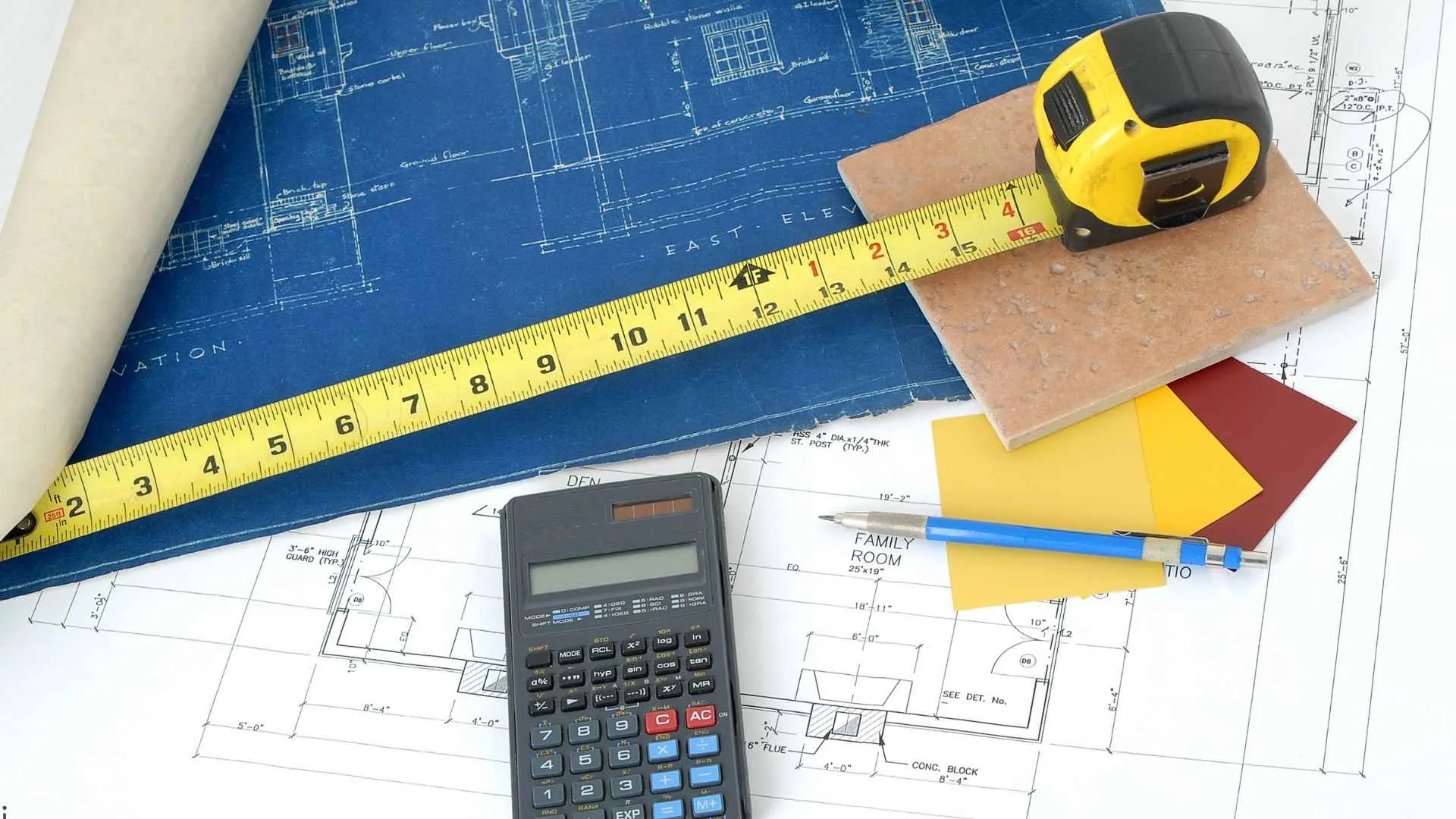
Construction projects are built from hundreds of individual decisions. Materials must be selected, labor must be planned, equipment must be coordinated, and different trades need to work together according to the design. When these elements are not properly estimated before construction begins, contractors can face budget gaps, purchasing problems, schedule delays, and reduced profit margins.
Mechanical, electrical, and plumbing systems are especially important because they represent a significant portion of many modern construction budgets. These systems also interact with almost every other part of a building. Professional MEP estimating services help contractors understand the expected cost of these building systems, while broader construction estimating services provide a complete view of the project’s financial requirements.
What Are MEP Estimating Services?
MEP stands for mechanical, electrical, and plumbing. MEP estimating involves identifying the quantities, materials, labor, equipment, and associated costs required to install these systems.
An MEP estimator may review architectural drawings, mechanical plans, electrical plans, plumbing drawings, equipment schedules, specifications, and other project documents.
Depending on the project, the estimate may include:
- HVAC equipment
- Ductwork
- Piping
- Valves
- Insulation
- Electrical wiring
- Conduit
- Panels
- Lighting
- Fixtures
- Plumbing pipes
- Pumps
- Water heaters
- Drainage systems
- Fire-related MEP components
- Controls
- Equipment connections
The purpose is to turn technical drawings into measurable quantities and realistic costs.
Why MEP Estimating Requires Specialized Knowledge
MEP systems are not always visible once a building is completed. Much of the infrastructure runs behind walls, above ceilings, below floors, or through mechanical spaces.
Because these systems are interconnected, estimating them requires more than simply measuring lines on drawings.
For example, installing an HVAC unit may involve equipment, ductwork, controls, electrical connections, condensate drainage, supports, insulation, and commissioning requirements.
Similarly, a plumbing fixture may require supply piping, drainage, valves, supports, and connections to other systems.
A reliable MEP estimate therefore requires an understanding of how the individual components work together.
The Role of Construction Estimating Services
While MEP estimating focuses on mechanical, electrical, and plumbing systems, construction estimating services cover the broader financial scope of a project.
A comprehensive construction estimate may include:
- Sitework
- Concrete
- Masonry
- Structural steel
- Lumber
- Roofing
- Drywall
- Flooring
- Painting
- MEP systems
- Doors and windows
- Exterior work
- General conditions
- Equipment
- Labor
- Subcontractor costs
By combining individual trade estimates, contractors can establish a more complete project budget.
This is particularly useful for general contractors who need to coordinate multiple subcontractors and material categories when preparing a bid.
MEP Quantity Takeoffs
Quantity takeoffs are a fundamental part of MEP estimating.
The estimator identifies the amount of material shown or specified in the construction documents. Depending on the trade, this may include linear measurements, counts, areas, capacities, or other units.
For mechanical systems, the takeoff may include ductwork, pipes, fittings, insulation, equipment, diffusers, grilles, and controls.
For electrical systems, quantities may include conduit, wire, cable, fixtures, devices, panels, disconnects, and equipment.
For plumbing, the estimator may calculate pipes, fittings, fixtures, valves, drains, pumps, and other components.
Organizing these quantities properly provides the foundation for accurate pricing.
Mechanical Estimating
Mechanical systems can represent a substantial portion of a commercial or industrial project’s budget.
Mechanical estimating may involve HVAC equipment such as air handling units, rooftop units, chillers, boilers, pumps, fans, and associated accessories.
The estimator also needs to account for distribution systems, including ductwork and piping.
Specifications are especially important because mechanical equipment can vary considerably in size, efficiency, capacity, and manufacturer requirements.
An estimate based only on visual quantities may therefore miss important cost differences.
Electrical Estimating
Electrical estimating covers the power and electrical infrastructure required for a building.
Depending on the project, this can include service equipment, switchgear, panels, feeders, branch circuits, conduit, wiring, lighting, emergency systems, grounding, and specialty equipment.
Modern projects may also contain low-voltage systems such as data, security, communications, and fire alarm infrastructure.
Each system may have different installation requirements and material costs.
Careful plan and specification review helps ensure that the electrical scope is properly represented in the estimate.
Plumbing Estimating
Plumbing estimates cover systems responsible for water distribution, drainage, waste, and other plumbing requirements.
A plumbing takeoff may include domestic water piping, sanitary piping, storm drainage, fixtures, valves, pumps, water heaters, backflow prevention equipment, and specialty systems.
Plumbing systems can be difficult to estimate because much of the work is hidden within walls, ceilings, and underground areas.
Reviewing floor plans alongside riser diagrams, details, schedules, and specifications can help identify the complete scope.
Coordination Between MEP Trades
One of the biggest challenges in MEP work is coordination.
Mechanical ducts, electrical conduits, plumbing pipes, structural elements, and architectural components often compete for limited space above ceilings or inside walls.
An estimating team needs to understand these relationships because design changes can affect quantities across multiple trades.
For example, relocating an HVAC duct may affect ceiling layouts and potentially require changes to electrical or plumbing routes.
A coordinated estimating process can make these potential impacts easier to identify before construction begins.
Using Technology in MEP Estimating
Digital estimating tools have become increasingly useful for complex construction projects.
Estimators can work with electronic drawings to measure quantities, count symbols, organize materials, and build assemblies. Some workflows also allow estimators to compare different drawing revisions.
Building Information Modeling can provide additional information when properly developed. A coordinated model may help estimators identify equipment, systems, and quantities more efficiently.
However, technology does not eliminate the need for experienced estimators. Models and drawings can contain errors, missing information, or design assumptions that require professional interpretation.
How MEP Estimating Helps Contractors
Accurate MEP estimating can provide several practical benefits.
Better bid preparation: Contractors can develop proposals using measurable quantities and realistic costs.
Improved purchasing: Material requirements are easier to identify before procurement begins.
Reduced omissions: A structured scope review helps identify components that may otherwise be overlooked.
Improved subcontractor coordination: General contractors can compare MEP scopes more effectively.
Better budget control: Estimated costs provide a benchmark for monitoring actual project spending.
Stronger profitability: Contractors have a better understanding of expected costs before committing to a contract.
MEP Estimating for Different Project Types
MEP requirements vary depending on the building.
Residential projects may have relatively straightforward HVAC, electrical, and plumbing systems, although luxury homes can contain highly specialized equipment.
Commercial buildings often require more complex distribution networks, controls, emergency systems, and specialty equipment.
Healthcare, hospitality, industrial, and institutional facilities can be even more demanding because they may have strict performance requirements and specialized infrastructure.
This is why project-specific estimating experience is valuable.
Why Complete Construction Estimates Matter
A contractor may have an accurate MEP estimate and still face financial problems if other trades are underestimated.
Suppose a project has carefully calculated HVAC costs but incomplete concrete, framing, roofing, or sitework quantities. The total project budget may still be inaccurate.
This demonstrates why construction estimating services and specialized trade estimating should work together.
A complete estimate creates a single financial picture of the project rather than treating each trade as an isolated expense.
Choosing Professional Estimating Support
When contractors outsource estimating, they should consider the provider’s experience, estimating process, turnaround time, communication, and level of detail.
A useful estimate should clearly identify quantities, unit costs, labor assumptions, and other relevant information. Contractors should also be able to review the assumptions behind the final numbers.
Experience with the project’s building type and location can also be valuable because labor conditions and material prices can vary between markets.
Final Thoughts
MEP systems are among the most technically demanding components of modern construction. Their complexity makes accurate estimating especially important for contractors who want to submit competitive bids without exposing themselves to unnecessary financial risk.
Professional MEP estimating services provide detailed insight into mechanical, electrical, and plumbing costs, while construction estimating services bring these trade costs together with the rest of the project scope.
When both approaches are used together, contractors can develop more comprehensive budgets, identify potential omissions earlier, improve procurement planning, and make more informed bidding decisions.
Accurate estimating is ultimately about reducing uncertainty. The better a contractor understands the work before construction begins, the better positioned they are to manage costs, protect margins, and deliver the project according to expectations.