If you travel long enough, you start to realize that every island has its own distinct frequency. Some islands scream for your attention with bright neon lights and crowded beach strips, while others just sort of hum quietly in the background. Bonaire doesn’t even hum. It just breathes.
I realized this while sitting on a weathered piece of driftwood at the edge of Lac Bay. The steady Caribbean passat wind was warming my face, and I was watching a lone windsurfer glide across a sheet of turquoise water so bright it looked artificial. There were no car horns. No bass thumping from a nearby all-inclusive resort. Just the rhythmic slap of shallow water against the mangroves and the distant, pink line of a flamingo flock feeding in the shallows.
In a world that constantly demands our attention, Bonaire asks for nothing. It just sits there, a quiet crescent of coral rock in the Dutch Caribbean, offering something that has become increasingly rare in modern travel: absolute, unfiltered stillness.
While its neighbor islands went all-in on high-rise hotels, mega-casinos, and crowded cruise ship ports, Bonaire quietly took a different path. Decades ago, the entire coastline, from the high-water mark down to a depth of 200 feet, was designated as a protected marine park.
Because of that forward-thinking move, the island hasn’t just preserved its reefs; it has preserved its soul. It is a place designed for slow travel, mindfulness, and what I like to call “immersion”, both literal and mental. If you’re looking to escape the grid, slow down your breathing, and truly connect with the raw, therapeutic power of the ocean, here is where you need to go.
The shallow sanctuary of Lac Bay
Most people associate wellness with silent retreats or expensive spa treatments.
But true rejuvenation usually doesn’t come with a price tag; it comes with a change of pace.
Lac Bay, located on the southeastern windward side of the island, is perhaps the ultimate spot to experience this.
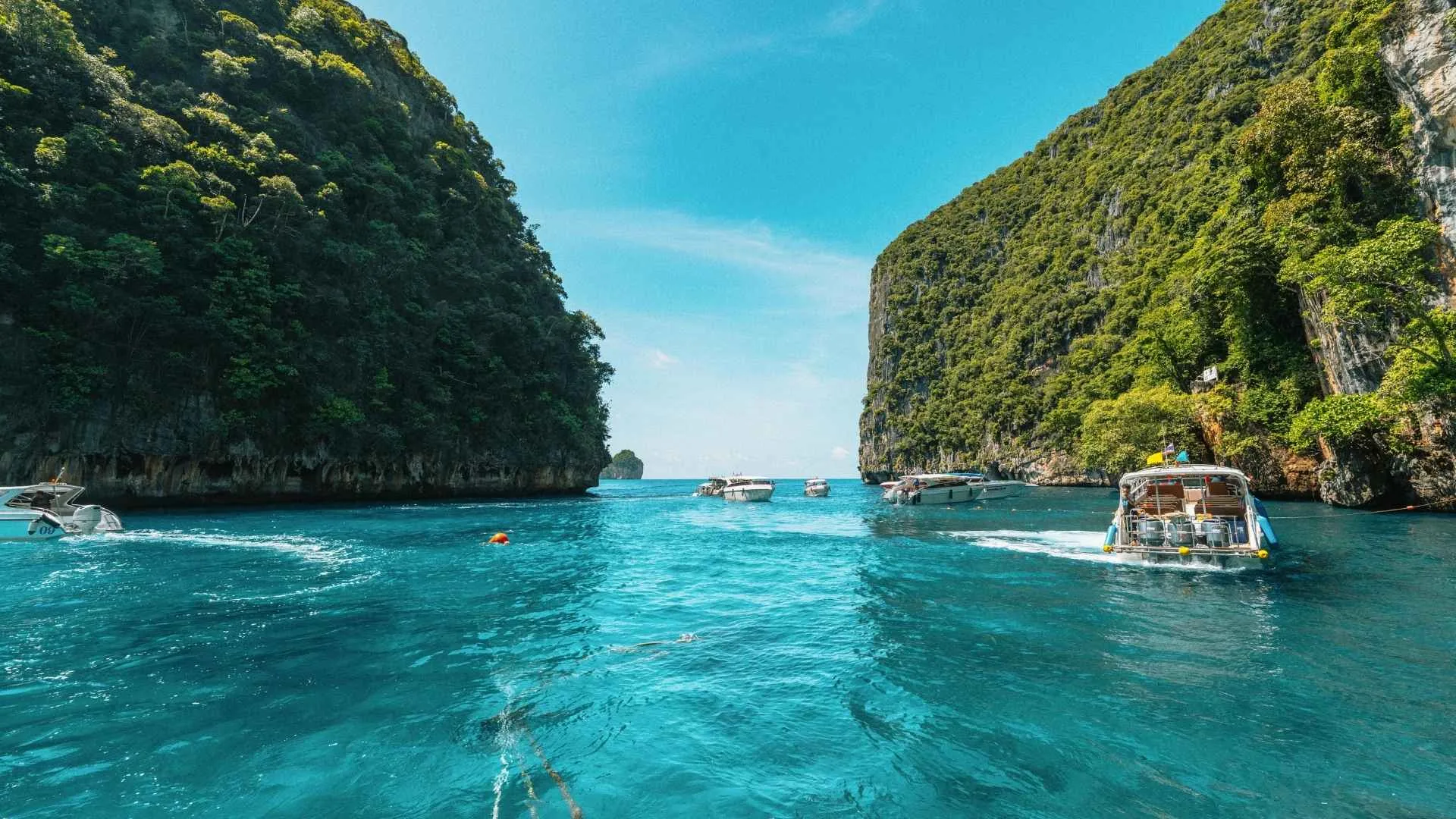
The bay is a massive, shallow lagoon protected from the open ocean by a vibrant barrier reef. The water here rarely gets deeper than your waist, creating a massive, natural salt-water pool that stays calm and warm year-round.
The real magic, however, lies in the mangroves that fringe the northern edge of the bay. This isn’t just a swamp; it’s a remarkably clear, underwater forest that acts as a nursery for the island’s marine life.
I spent an afternoon snorkeling through these mangrove channels, moving at a snail’s pace.
If you drift quietly without kicking your fins, you enter a completely silent world. Sunlight filters through the thick canopy above, creating dancing beams of green and gold light in the water.
Beneath the tangled roots, schools of juvenile barracudas, colorful parrotfish, and tiny invertebrates move in slow motion. It is a meditative experience that forces you into the present moment. You can’t rush through a mangrove forest; you have to let the gentle current dictate your path.
Finding solitude in the rugged north
If Lac Bay is about gentle, shallow calm, the northern coast is about the raw, untamed power of nature.
As you travel north past the historic town of Rincon, the landscape shifts dramatically. The soft white sand gives way to jagged limestone cliffs and volcanic black rocks. This is the windward coast, where the Atlantic Ocean crashes into the island with immense force.
My favorite spot to clear my head is a hidden inlet known as Boca Onima. There are no sandy beaches here to lay a towel, but that’s exactly why you come. Instead, you find massive ancient limestone terraces carved by centuries of wave action.
If you sit high enough on the cliffs, away from the spray, you can watch the ocean put on a spectacular, thunderous show.
There is a therapeutic quality to watching the sheer power of these waves. It’s a stark reminder of how small our daily anxieties really are in the grand scheme of things. You can sit there for hours without seeing another human soul, just you, the seabirds riding the thermals, and the endless blue horizon.

The therapeutic salt flats of the south
On the exact opposite end of the island, the landscape changes again into something almost otherworldly. The southern tip of Bonaire is dominated by vast, pink-hued salt pans managed by Cargill, flanked by massive, snow-white pyramids of harvested salt.
Walking or driving through this area feels like stepping onto another planet. The pink color of the water comes from a unique combination of brine shrimp and bacteria, which in turn attracts thousands of pink flamingos.
But the real wellness hidden gem here is the string of dive and snorkel sites along the old salt pier. At places like Pink Beach or White Slave, the water is incredibly dense with minerals. Floating in the water here feels different, you are noticeably more buoyant.
Late in the afternoon, when the day-trippers have gone back to their hotels, I like to just wade out into the calm, salty water, flip onto my back, and float.
With your ears submerged, the world goes completely silent.
You look up at the vast Caribbean sky, feeling completely weightless, supported entirely by the rich, mineral-heavy sea.
It’s a natural form of floatation therapy that washes away physical tension better than any massage table ever could.
The practical side of disconnecting
Here’s the thing about Bonaire: the island doesn’t hand its best secrets to you on a silver platter.
There are no paved highways leading to the most serene bays, and you won’t find paved parking lots next to the hidden cliffside lookouts.
The very infrastructure of the island is designed to keep things wild.
To get to the places where you can truly be alone with nature, whether that’s a deserted cove in the far north or a quiet pull-off near the southern salt flats, you quickly realize that a standard compact rental car isn’t going to cut it.
The roads turn into rough gravel, dirt tracks, and limestone paths riddled with potholes and sharp rocks.
To navigate this island like a local and with total peace of mind, you need a vehicle built for the terrain.
This is why you see almost everyone on the island driving a sturdy truck. Having a high-clearance 4×4 isn’t about being flashy; it’s about freedom.

It’s knowing that when you see a faint dirt track winding toward a hidden beach, you can turn down it without worrying about damaging the undercarriage or getting stuck in the mud.
For my journey, I picked up a double-cabin pick-up truck at Pickup huren Bonaire.
Having that kind of rugged vehicle completely changed how I experienced the island. It allowed me to throw my snorkel gear, a cooler of water, and a dry bag straight into the open bed and just drive until the pavement ended.
If I wanted to watch the sunrise from a deserted rocky bluff in the east, or park right on the edge of a remote diving spot for a sunset float, the truck made it effortless. That sense of security is its own form of travel wellness, knowing you have the gear to explore anywhere, completely on your own schedule.
The Art of the Island Mindset
Ultimately, Bonaire teaches you how to slow down. It rewards patience over speed, and quiet observation over checklist tourism. When you spend your days soaking in clear mangrove channels, floating weightlessly in mineral-rich waters, and letting the trade winds clear out the cobwebs in your mind, you start to adopt the local rhythm.
You stop looking at your watch. You start noticing the subtle shifts in the color of the water as the sun moves across the sky. If your soul is feeling a bit tired and you need a place to reset, skip the crowded tourist hubs.
Come to this quiet rock in the Caribbean, get yourself a set of rugged wheels, find a dirt track that leads to the water, and just let yourself soak it all in.