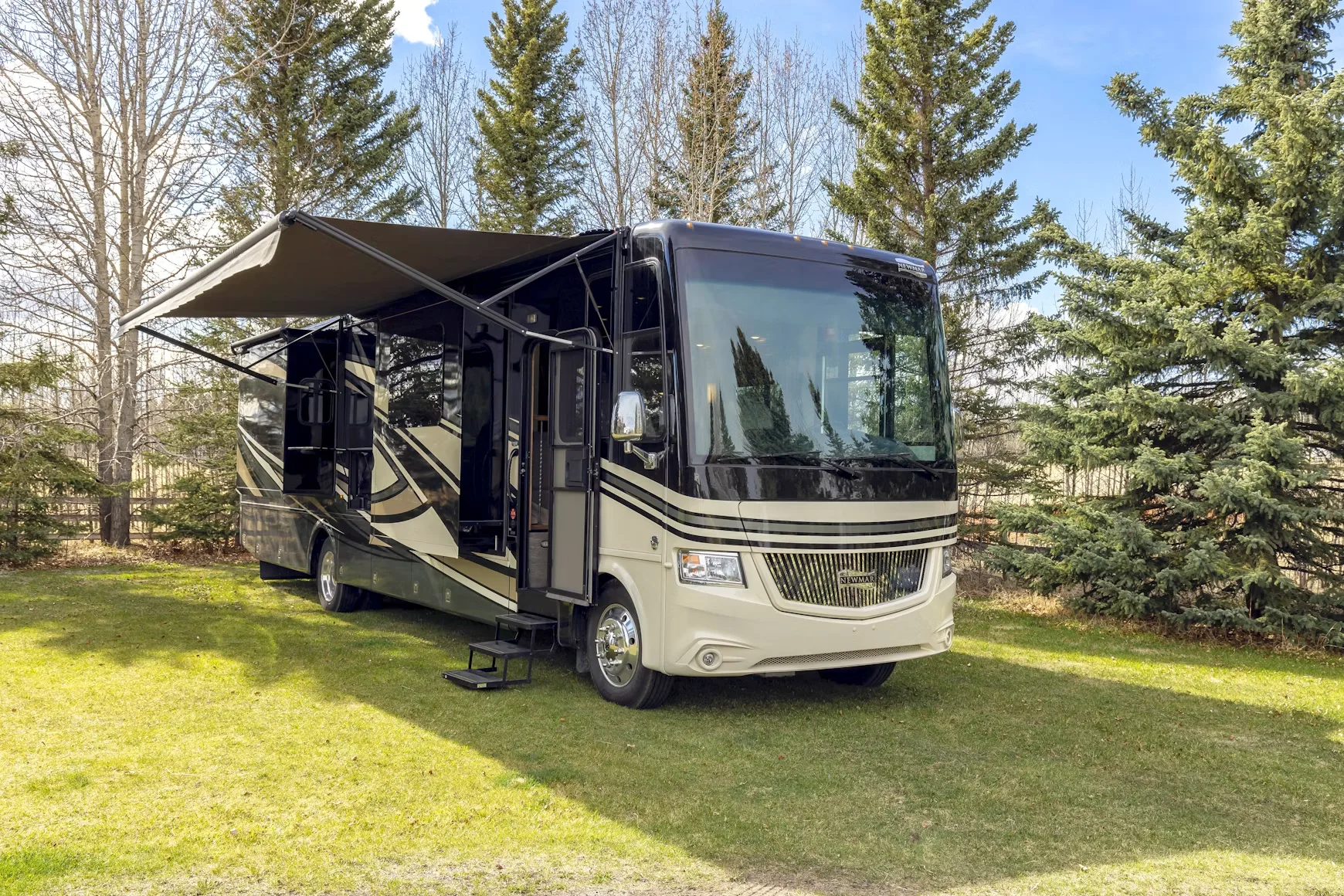
Traveling in a mobile home offers an incredible way to see the world from a fresh perspective. Moving beyond traditional vacation spots allows you to uncover hidden gems that ordinary tourists miss.
This style of journeying rewards flexibility, curiosity, and a willingness to embrace the unknown. By shifting your focus toward unique regional experiences, you transform standard road trips into memorable expeditions.
Shifting Perspectives On Open Road Travel
The desire to explore the open road drives many travelers to seek alternative lifestyles. Mobile living allows people to carry their homes with them as they move from one unique destination to another.
A recent medical publication defined RV tourism as travel in recreational vehicles equipped with sleeping, cooking, and sanitary facilities that provide both transportation and living accommodations. Embracing this lifestyle means adjusting to a slower, more deliberate pace of life.
Slowing down allows you to notice small roadside signs and interesting local geography. Travelers who rush toward a final destination often miss the most rewarding parts of the journey. Taking your time turns the transit itself into a key part of the adventure.
Adopting a slower pace changes how you interact with your surroundings. Instead of measuring progress by miles covered, you measure progress by experiences gained.
Mapping Routes For True Exploration
Planning a road trip involves more than picking a destination on a map. True explorers look for the gaps between major cities and tourist hot spots. Choosing less-traveled paths reveals unique roadside attractions and scenic overlooks.
Finding these hidden locations requires a shift in how you gather travel advice. Many seasoned explorers prefer to seek guidance from experienced mentors, and Ty Chapman, the legend behind Live Free RV, says that finding freedom on the road requires leaving strict schedules behind. This mindset helps you appreciate spontaneous discoveries during your journey.
Avoiding major highways can lead to unexpected encounters with local history. County roads frequently feature historical markers, local fruit stands, and old architecture. These routes give you a genuine feel for the regions you pass through.
Using old paper maps alongside digital navigation tools can reveal forgotten pathways. Scenic byways often offer superior views and lower traffic volumes compared to interstate highways. These paths present opportunities to experience rural beauty up close.
Embracing The Modern Nomadic Movement
The popularity of nomadic travel has grown significantly across different demographics. Families, retirees, and remote workers are choosing mobile accommodations to escape repetitive daily routines.
An academic tourism journal reported that 37% of Americans plan an RV trip this year. Traveling this way allows individuals to customize their schedules completely.
Modern technology makes staying on the road for extended periods easier than in the past. Remote internet options allow people to fulfill work obligations from remote state parks. This balance between work and exploration redefines traditional ideas of retirement and vacationing.
Supporting Small Communities Along The Way
Visiting lesser-known towns provides a deeper connection to regional cultures. Small villages often hold hidden historical spots, local eateries, and unique artisan shops. Choosing these destinations helps travelers avoid crowded tourist traps.
An analysis published in a sustainability journal noted that a recurring theme in reviews for smaller villages is the explicit intent to support the community. Travelers frequently make conscious choices to buy goods from local merchants during their visits.
Interacting with shop owners often yields excellent recommendations for nearby campsites or scenic spots. Residents know the best fishing holes, hiking trails, and sunset viewpoints. These conversations build meaningful human connections that enrich your travel experience.
Purchasing groceries at small-town markets provides fresh, locally grown ingredients for your meals. Trying regional specialties introduces you to new culinary traditions. Supporting these independent businesses directly contributes to the local economy.
Packing For Spontaneous Detours
Preparation involves carrying the right gear for unexpected changes in your itinerary. Weather conditions can change rapidly, and road closures can force sudden detours. Having proper supplies makes these adjustments stress-free.
Certain items are necessary when exploring remote areas far from standard convenience stores. Keep these items accessible in your vehicle:
- Heavy-duty traction boards for mud or sand.
- A multi-tool kit for quick mechanical fixes.
- Extra potable water and non-perishable food.
- A physical road atlas for areas without cellular coverage.
Having a well-stocked pantry allows you to extend your stay if you find a beautiful location. You do not need to cut a trip short just to find a grocery store. Self-reliance gives you the confidence to explore deeper into wild areas.
Navigating Remote Technical Needs
Maintaining connectivity and power during off-grid stays requires careful planning. Many unique camping spots lack electrical hookups or reliable cellular signals. Reliable equipment keeps you safe and connected during long stays in the remote nature.
Managing your electrical consumption becomes a primary task when boondocking. Implement these power management strategies:
- Use portable solar panels to recharge battery banks.
- Swap standard incandescent bulbs for energy-saving LEDs.
- Monitor tank levels daily to prevent unexpected shortages.
- Invest in a cellular signal booster for remote work.
Understanding your vehicle’s systems prevents minor issues from turning into major problems. Regular maintenance checks on plumbing and electrical setups keep everything running smoothly. Being prepared for technical challenges prevents unnecessary stress on the road.
Managing Campgrounds And Wild Spaces
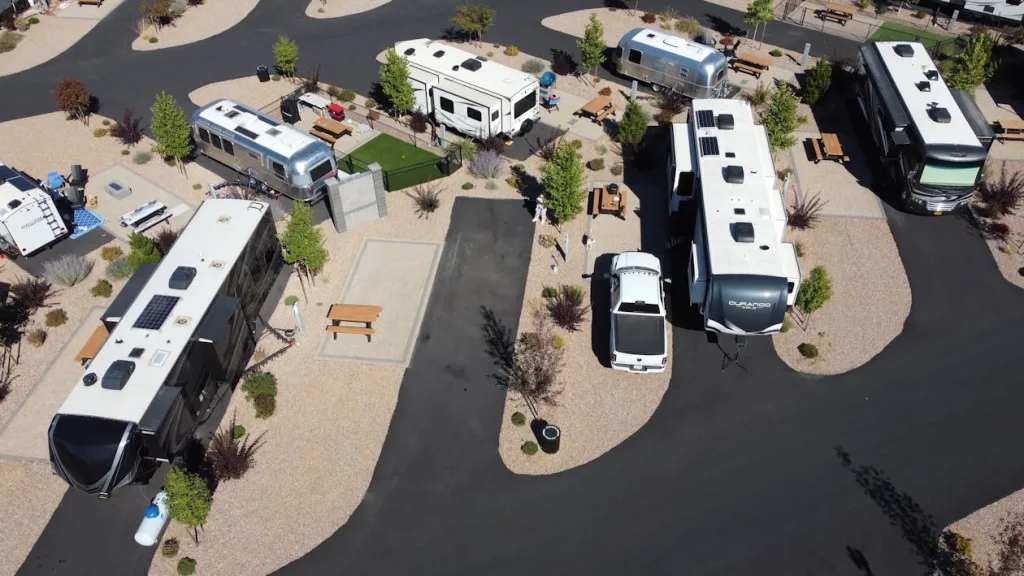
Finding the right balance between developed campgrounds and wild spaces enriches your travel experience. Established parks offer convenient amenities like hot showers and laundry facilities. Remote public lands provide quiet solitude under the stars.
Responsible stewardship is required when camping in public spaces. Travelers must respect local wildlife by storing food securely and disposing of waste properly. Leaving campsites cleaner than you found them preserves these areas for future explorers.
Mixing different types of overnight stays keeps your journey interesting. Spending a few days off the grid followed by a night at a full-service park provides the best of both worlds. This approach keeps you refreshed and ready for new adventures.
Embracing the mobile travel lifestyle opens up a world of endless possibilities and unique encounters. Each detour brings a new opportunity to learn about regional history and connect with local communities.
By remaining flexible and well-prepared, you can navigate any challenges that arise on the open road. The memories you create during these spontaneous journeys will stay with you long after the trip ends.


