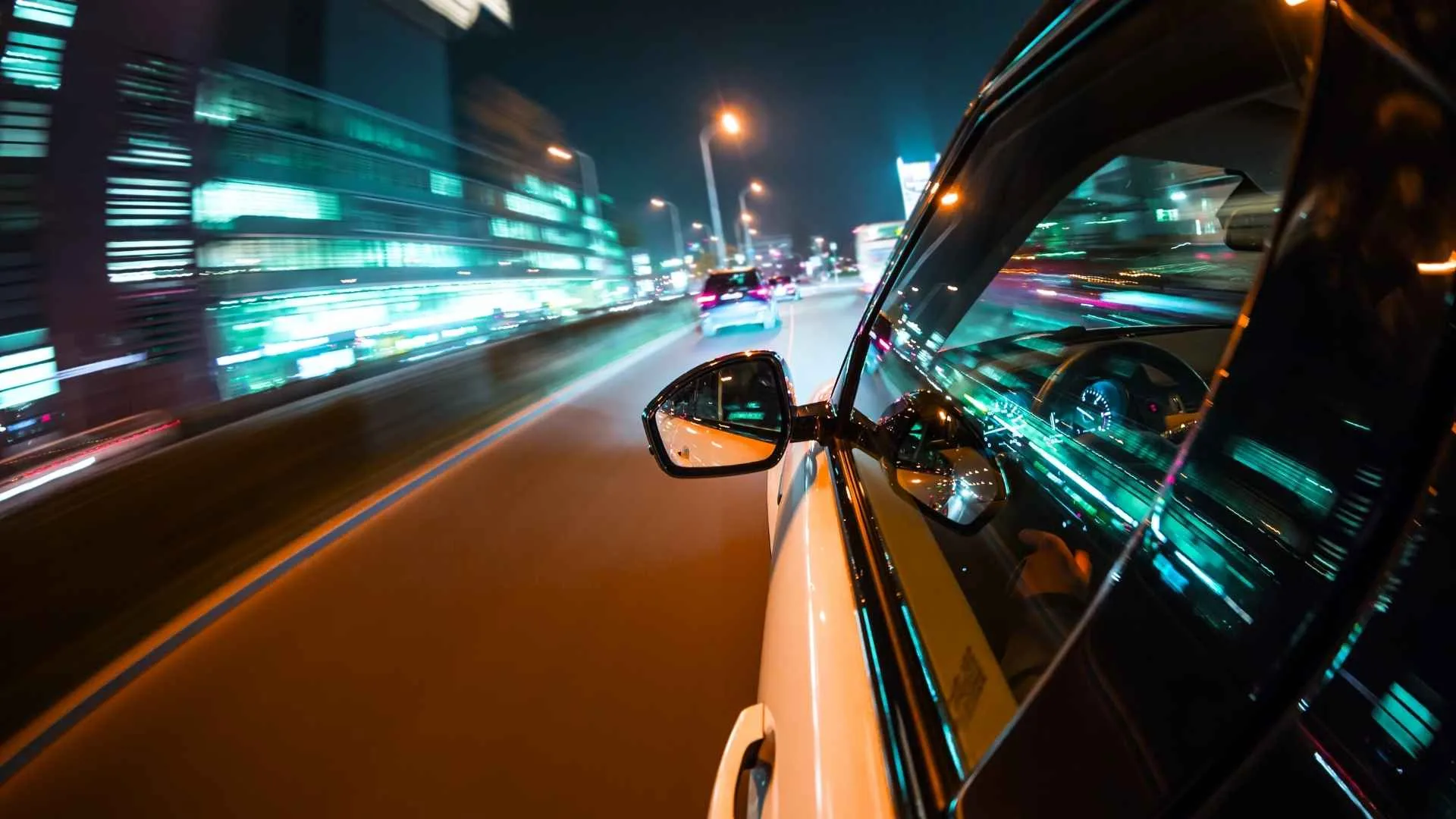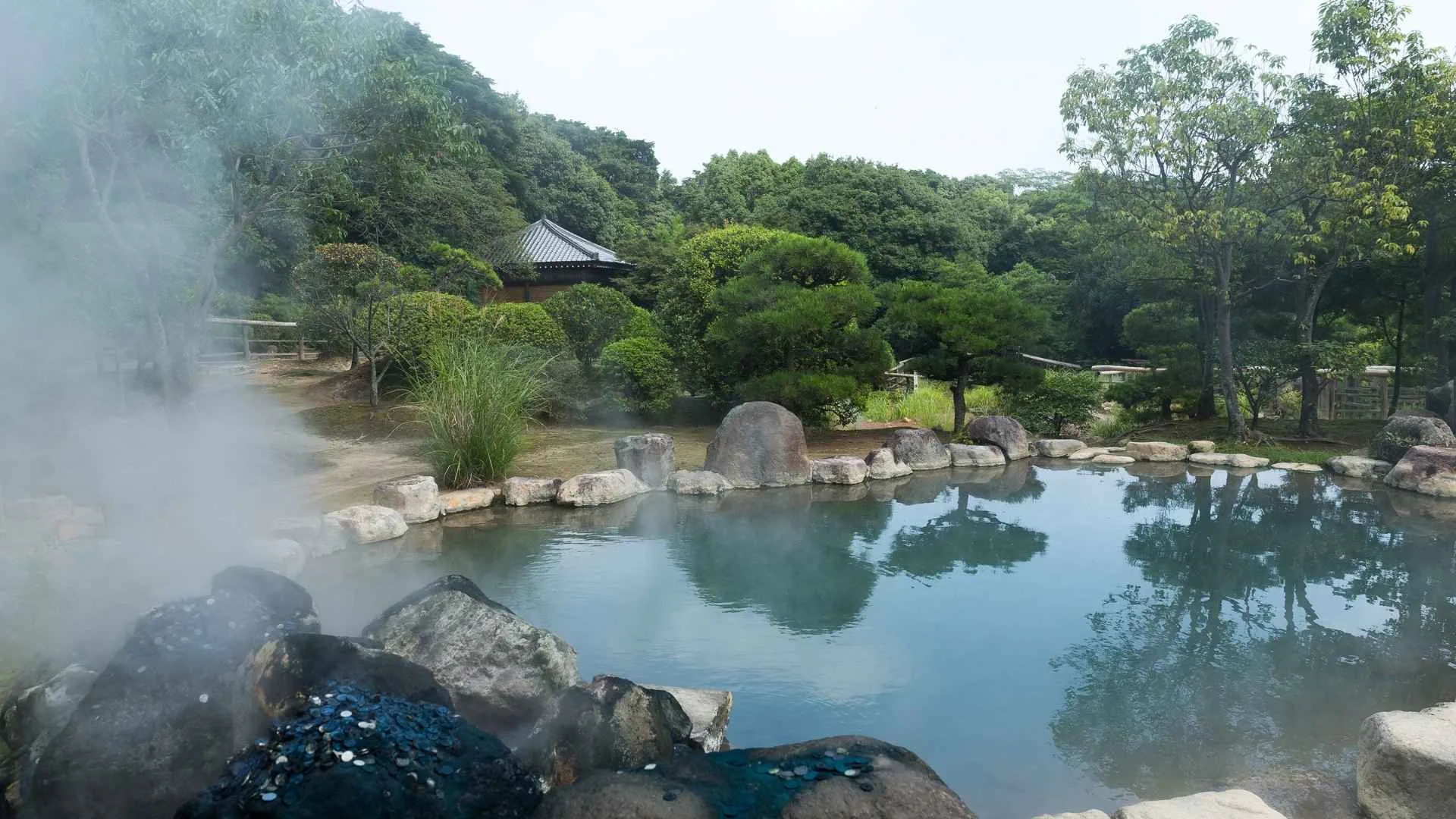
There’s a specific kind of peace that comes from driving toward a hot spring with the windows cracked and nowhere urgent to be. No engine noise humming under the conversation, no gas station detours breaking up the scenery, just the road, the mountains creeping closer, and the knowledge that somewhere ahead, warm water is waiting. I didn’t expect an electric vehicle to change the feel of a hot springs road trip, but it did, in ways I didn’t see coming until I was three days into a loop through the backcountry.
A Different Kind of Road Trip Rhythm
Traditional road trips have a rhythm built around gas station stops, quick, transactional, forgettable. Electric road trips move differently. Charging takes longer than filling a tank, which sounds like an inconvenience until you realize it’s actually an invitation. Instead of standing at a pump for four minutes staring at your phone, you’re sitting somewhere for twenty or thirty, which is just long enough to wander into the little café next to the charger, or sit by a creek, or read a few pages of the book you brought and never open.
I found myself planning routes differently because of this. Instead of picking the fastest highway between two hot springs, I started looking for towns with good charging infrastructure that also happened to have something worth lingering for, a bakery, a viewpoint, and a short trail. The car’s limitations, in a strange way, made the trip slower and better.
Where the Charging Actually Comes From
None of this works, of course, without reliable places to plug in, and that’s less of a given in rural, spring-chasing territory than you’d hope. Remote hot springs tend to sit far from major cities, which is exactly what makes them feel undiscovered, but it also means charging infrastructure can be sparse if you don’t plan ahead. This is where I’ve learned to pay attention to who’s actually building out that infrastructure. More small hotels, eco-lodges, and mountain-town businesses near natural springs are partnering with providers of ev charging solutions to install chargers on-site, which quietly makes destinations like these far more accessible for travelers who’ve gone electric and honestly, it’s changed which routes feel realistic for a spring-chasing trip versus which ones stay a someday-maybe.
Staying somewhere with a charger on property means you can plug in overnight, wake up with a full battery, and spend the whole day exploring instead of budgeting hours around a charging stop. It’s a small logistical shift that ends up shaping the whole trip.
The Springs Worth the Extra Planning
Some of the best soaking spots I’ve found have been the ones slightly harder to reach, down a gravel road, past a town with one general store, tucked into a canyon that doesn’t show up until you’re almost on top of it. Natural mineral pools with no entrance fee and no crowd, just steam rising off water that’s been finding its way to the surface for thousands of years.
There’s something fitting about arriving at a place like that quietly, no engine rumble announcing you, no exhaust hanging in the clean mountain air. It matches the whole point of the trip. You’re chasing stillness, and it feels a little hypocritical to arrive loudly.
Desert hot springs have their own version of this magic, steam rising against a backdrop of red rock, stars showing up in numbers you forget exist once you’ve lived near a city for too long. Mountain springs feel different again: colder air above the water, pine smell everywhere, the kind of cold-to-hot contrast that makes your whole body exhale at once.
Planning It Without Overplanning It
The trick with a trip like this is holding just enough structure to make it work logistically, without turning it into a spreadsheet. I map out charging stops first, since those are the real constraint, and build everything else loosely around them, which town to sleep in, which spring to hit at sunrise instead of midday, where to eat something that isn’t a gas station sandwich.
I’ve also learned to build in slack. Charging times mean you can’t always control exactly when you arrive somewhere, so leaving room for a spring to take longer than planned, or a town to be worth an extra hour, matters more on this kind of trip than a typical road trip where speed is the whole point.
Why It’s Worth the Extra Thought
An electric hot springs road trip asks a little more of you upfront, more research into where you can charge, more patience with a slower pace, more willingness to let the trip shape itself around infrastructure rather than pure convenience. But what you get back is a trip that feels quieter in every sense of the word. Quieter engine, quieter pace, quieter arrival at places that reward exactly that kind of quiet.
If you’re someone who already chases hot springs for the stillness they offer, doing it in an EV doesn’t complicate that goal, it deepens it. You end up moving through the world a little more gently, which, if you think about it, is basically the whole reason you wanted a hot spring trip in the first place.