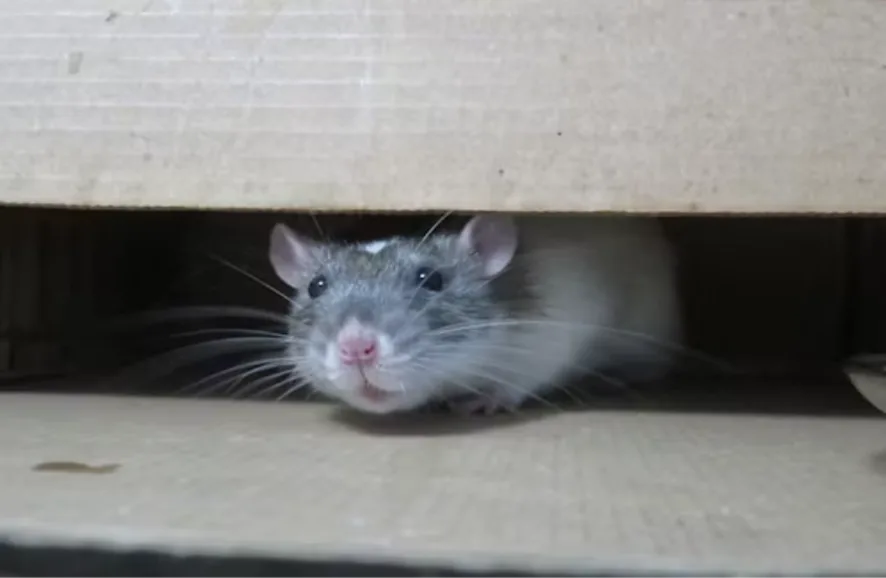
Imagine the house is quiet, and everything seems normal. Suddenly, a faint scratching sound comes from behind the wall. It stops, but the noise returns a few minutes later. When you get up in the morning, you notice a few droppings near the pantry. A few days later, you spot gnaw marks on a box in the garage.
You may not have seen a rat or mouse, but these clues can indicate that rodents are active. What seems like a minor issue can lead to property damage, contamination, and repeated activity if it is left untreated.
That is why professional rodent control involves more than removing what you can see. It begins by identifying rodent activity, understanding its impact, and treating both the infestation and the conditions that allow rodents to remain.
This article lists the benefits of hiring experts to control rodent infestation at your home.
1. Reduce Property Damage
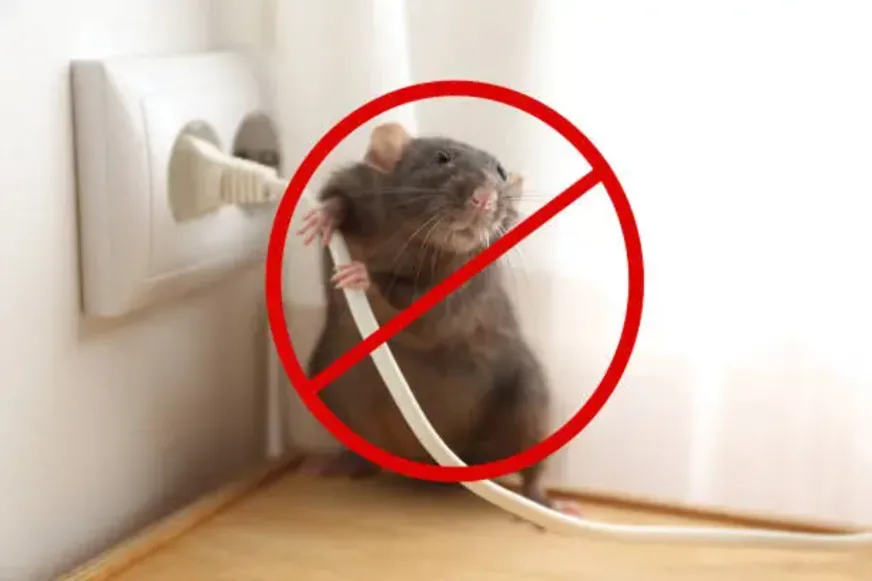
Once rodents get inside, they can move through walls, ceilings, cabinets, insulation, crawl spaces, and storage areas while searching for food. Their continual gnawing can damage building materials, stored belongings, and electrical wiring.
Much of this activity happens out of sight, so you may not realize how far the problem has spread. If you notice droppings, gnaw marks, nesting material, or unusual sounds, an inspection can identify where activity is concentrated.
When that happens, you should hire pest control experts near you, because local professionals know the common entry points and rodent behavior in your area and can act quickly before the damage spreads. For instance, if you reside in Dearborn, hiring rodent control in Dearborn means technicians can pinpoint where rodents are active and treat the right areas, so you avoid guesswork and ineffective DIY fixes.
Acting early can help limit damage before repairs become more extensive. Property damage is only one part of the problem. Rodents can also leave behind waste and residue that create another concern: contamination.
2. Lower Contamination Risks
You may never see a rodent near your food storage areas or inside a cupboard, but that doesn’t mean it hasn’t been there. Rats and mice can leave urine, feces, saliva, and nesting debris in places that are difficult to see or reach. These contaminants can contact surfaces, stored items, and areas where food is handled.
Research into rodent control highlights the importance of monitoring activity, maintaining cleanliness, limiting access to food and water, and keeping buildings sealed. Removing rodents is only one part of effective control; you also need to address the conditions that keep them active.
If you find rodent waste, avoid unnecessary contact and clean affected areas carefully. If contamination is extensive or hard to access, professional help can make a difference.
Once you have assessed the contamination risk, also identify how the rodents entered the property. Leaving those access points open can allow the problem to return, even after you treat the current activity.
3. Find Hidden Entry Point

Baits or traps may temporarily reduce an infestation, but the problem can recur if an access point remains open. Mice can squeeze through extremely small spaces, while rats can use gaps around pipes, doors, foundations, drains, roof spaces, and other structural areas. Research shows mice can enter openings only a few millimeters wide, so don’t overlook even tiny gaps.
After identifying possible access points, walk around both the inside and outside of the building and look closely at areas where different surfaces meet. Inspect utility pipes, vents, rooflines, garages, doors, and foundations. Check out less obvious areas where maintenance work may have created new gaps.
Once you find an opening, seal or repair it with a suitable substance; this helps block the routes rodents use to enter the property instead of only treating the rodents already inside. Regular checks can also help you spot new openings.
4. Improve Control with Targeted Treatment
Rodent behavior can vary by species, property layout, available food, shelter, and entry routes. A treatment that works in one building may not suit another. A professional inspection provides the information needed to determine where to place control measures and which areas need closer attention.
Professionals can focus on treatment areas showing signs of rodent activity and monitor whether those signs decrease. This keeps attention to locations where rodents are most likely to be present.
When using treatment products, follow applicable label and safety requirements, and take care of children, pets, wildlife, and food-handling areas. Once rodent activity is under control, shift the focus to prevention.
5. Prevent Repeat Infestations

You can treat an immediate infestation, but the property can remain vulnerable. Easily available food, open garbage, clutter, standing water, overgrown vegetation, and sheltered areas can make a property more appealing to rodents. Small structural openings can also make it easy for them to re-enter the building.
You can reduce these opportunities by storing food in covered containers, keeping waste securely contained, removing unnecessary clutter, maintaining vegetation around buildings, and ensuring that food is not left outside where it can attract pests.
Repair leaks and check for new openings after maintenance work or repairs. Periodic checks are also useful in garages, outbuildings, storage areas, and other spaces that are not inspected regularly.
If rodent activity persists or returns, professional intervention can improve prevention. Experts can identify overlooked risks, recommend appropriate exclusion measures, and monitor the property for renewed activity. They can also identify conditions that make the property more attractive to rodents. Detection, treatment, exclusion, and prevention work better together.
Conclusion
Managing rodents is not simply about getting rid of rats or mice once you see them. It involves early detection, damage assessment, contamination control, entry-point identification, targeted treatment, and prevention.
By addressing current activity and the conditions that support it, you can reduce recurring problems and protect your property more effectively over the long term.