Hot springs have fascinated travelers for centuries. From mountain resorts to hidden geothermal pools surrounded by forests, these natural wonders offer a unique combination of relaxation and wellness. The warm mineral water is often associated with stress relief, muscle relaxation, and a peaceful escape from busy routines.
For first-time travelers, visiting a hot spring can feel both exciting and unfamiliar. Unlike a typical swimming pool, hot springs come with their own environment, etiquette, and safety considerations. Temperatures may vary, mineral content can differ, and natural surroundings sometimes present unexpected challenges.
Understanding a few simple safety tips can help ensure your hot spring visit is not only relaxing but also safe and enjoyable. Whether you are traveling to a well-known resort or exploring a remote geothermal pool, preparation and awareness are key to making the most of the experience.
Below are important tips every first-time traveler should keep in mind when visiting hot springs.
Understand the Temperature Before Entering
One of the most important things to remember about hot springs is that water temperatures can be much higher than standard swimming pools. Some springs can reach temperatures well above 40°C (104°F), which may be uncomfortable or even unsafe for extended exposure.
Before entering any hot spring, always check the posted temperature or test the water slowly with your hand or foot. If the water feels extremely hot, give your body time to adjust gradually.
Many hot spring resorts offer multiple pools with different temperature levels. Beginners often feel more comfortable starting with a milder pool before trying hotter ones. Spending too much time in extremely hot water can lead to dehydration, dizziness, or overheating.
Taking breaks between soaking sessions helps your body cool down and prevents fatigue.
Stay Hydrated Throughout Your Visit
Hot spring environments can cause your body to sweat more than you might realize. Warm water combined with outdoor heat or steam can increase dehydration risk, especially during long soaking sessions.
Drinking water regularly is essential when visiting hot springs. Bringing a reusable water bottle ensures that you stay hydrated throughout your visit.
Avoid alcohol before or during long soaking periods because it can increase dehydration and affect your body’s ability to regulate temperature. Many wellness-focused resorts encourage guests to drink herbal teas or water between sessions.
Proper hydration helps your body stay comfortable and supports overall wellness during your hot spring experience.
Limit Your Soaking Time
Although soaking in warm mineral water feels relaxing, staying in a hot spring for too long can place stress on your body. Experts generally recommend limiting each session to about 15–20 minutes.
After this period, it’s a good idea to step out, cool down, and allow your body temperature to return to normal before re-entering the water. Many visitors follow a cycle of soaking, resting, and rehydrating to maintain comfort and safety.
This approach not only protects your health but also enhances relaxation. Shorter sessions allow you to fully enjoy the warmth without feeling tired or overwhelmed.
Be Aware of Natural Surroundings
Unlike indoor pools, many hot springs are located in natural landscapes such as mountains, forests, or geothermal areas. While these locations are beautiful, they may also include uneven terrain, slippery rocks, or changing weather conditions.
Always walk carefully around hot spring areas. Wet rocks and wooden walkways can become slippery, especially near steam vents or waterfalls.
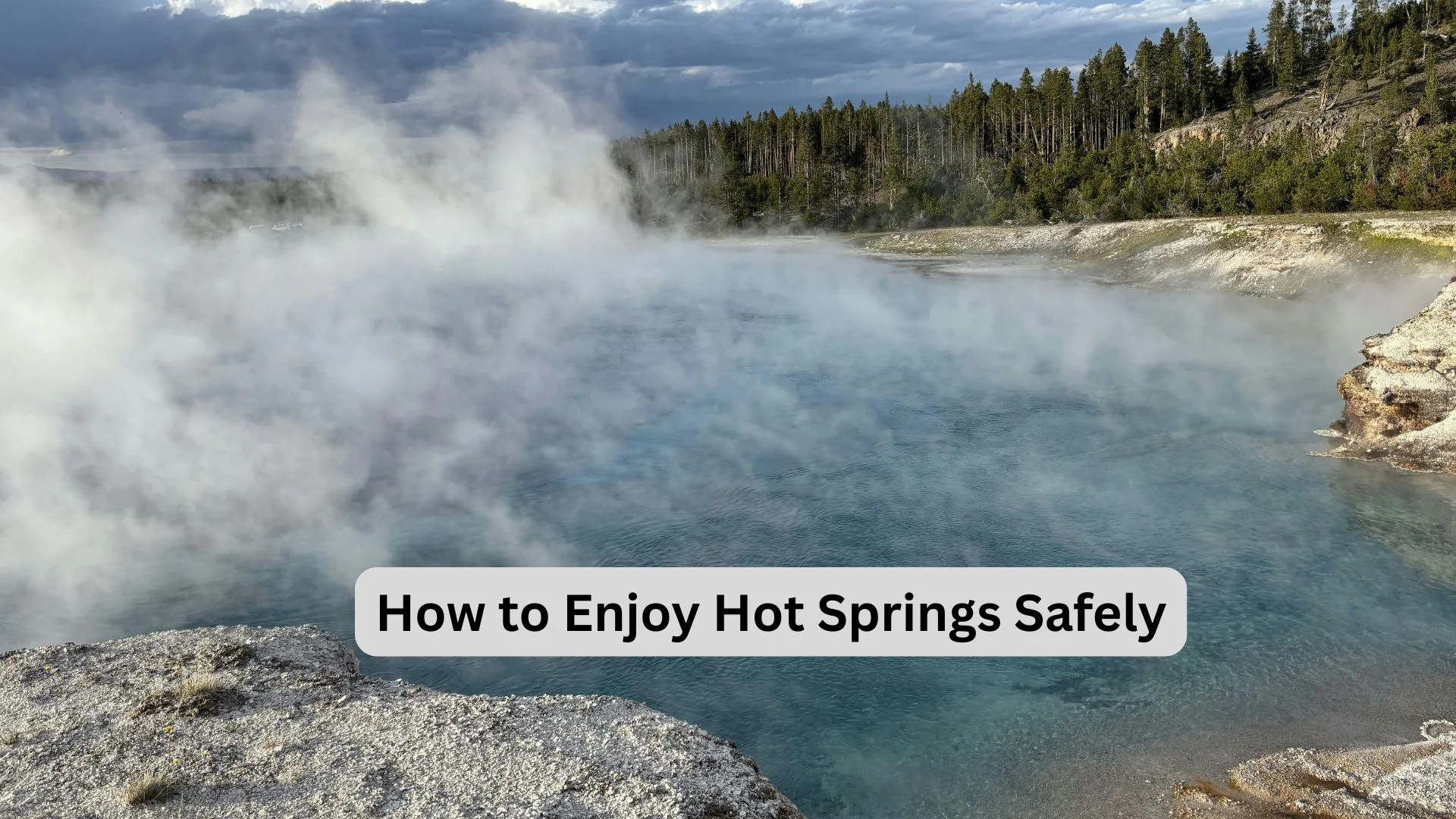
If you are visiting a natural hot spring rather than a managed resort, pay attention to posted safety signs and stay within designated soaking areas. Some geothermal pools may contain extremely hot water that is unsafe for swimming.
Remaining aware of your surroundings helps prevent accidents and allows you to fully appreciate the natural beauty around you.
Respect Local Rules and Etiquette
Hot spring destinations often have unique customs or etiquette rules depending on the region or country. Following these guidelines ensures a pleasant experience for everyone.
Some common etiquette practices include:
- Showering before entering the pool
- Keeping noise levels low for a relaxing atmosphere
- Avoiding soaps or shampoos in natural springs
- Wearing appropriate swimwear if required
- Respecting personal space
Many hot spring destinations emphasize tranquility and mindfulness. Maintaining a calm and respectful environment helps preserve the peaceful nature of the experience.
Learning these basic rules before visiting can prevent confusion and help travelers feel more comfortable.
Pay Attention to Health Conditions
Hot springs can be relaxing, but they may not be suitable for everyone. People with certain medical conditions—such as heart problems, high blood pressure, or pregnancy—should consult a healthcare professional before soaking in very hot water.
Extended exposure to high temperatures can affect circulation and blood pressure. Individuals who feel lightheaded, dizzy, or uncomfortable should leave the water immediately and rest in a cooler area.
Basic first-aid awareness is also useful during travel. Some travelers even take simple emergency response courses before outdoor trips to feel more prepared. Programs such as My CPR in Colorado focus on teaching practical emergency skills that can be valuable in various travel situations, including outdoor wellness destinations.
Having basic knowledge of first aid and emergency response can provide peace of mind during any adventure.
Protect Your Skin and Hair
Mineral-rich water is one of the main attractions of hot springs, but it can sometimes affect skin and hair differently depending on its chemical composition.
Some springs contain sulfur, magnesium, calcium, or other minerals that may leave a slight scent or residue on the skin. Showering after your soak can help remove excess minerals and keep your skin comfortable.
If you plan to soak multiple times during the day, applying a gentle moisturizer afterward can help maintain hydration. Travelers with sensitive skin may want to limit the duration of their soaking sessions.
For hair protection, tying your hair up or rinsing it after soaking can help prevent dryness caused by mineral exposure.
Avoid Entering If You Have Open Cuts or Injuries
Natural hot springs may contain microorganisms or minerals that could irritate open wounds or cuts. If you have a recent injury, it’s best to wait until it heals before entering the water.
Many resorts also recommend avoiding soaking immediately after shaving, as sensitive skin can become irritated by mineral content.
Taking these precautions helps protect your skin and ensures a safer hot spring experience.
Visit During Off-Peak Hours
Hot springs can become crowded during weekends, holidays, or peak tourist seasons. Visiting during quieter times—such as early mornings or weekdays—can provide a more relaxing and safer experience.
Fewer visitors mean more space, less noise, and a greater sense of calm. It also reduces the risk of overcrowding in smaller pools.
Many travelers find sunrise or evening soaks especially memorable because the peaceful environment enhances the natural beauty of the surroundings.
Combine Relaxation with Responsible Travel
Hot spring destinations are often located in environmentally sensitive areas. Practicing responsible travel helps protect these unique geothermal ecosystems for future visitors.
Simple actions can make a big difference:
- Avoid littering or leaving personal items behind
- Stay on designated paths and platforms
- Follow all safety guidelines posted at the site
- Respect wildlife and natural surroundings
Preserving these environments ensures that hot springs remain safe and enjoyable for generations of travelers.
Visiting a hot spring for the first time can be an unforgettable experience. The warmth of mineral-rich water, combined with scenic natural landscapes, creates a sense of relaxation that is difficult to find anywhere else.
However, like any outdoor activity, enjoying hot springs safely requires awareness and preparation. Understanding water temperatures, staying hydrated, respecting local etiquette, and paying attention to your body’s signals can help ensure a positive experience.
For travelers who enjoy outdoor adventures, learning basic emergency skills through programs such as My CPR can also provide valuable knowledge that enhances safety during trips.
Ultimately, the goal of a hot spring journey is to relax, recharge, and reconnect with nature. By following these simple safety tips, first-time travelers can confidently enjoy the soothing benefits of hot springs while making the most of their wellness adventure.