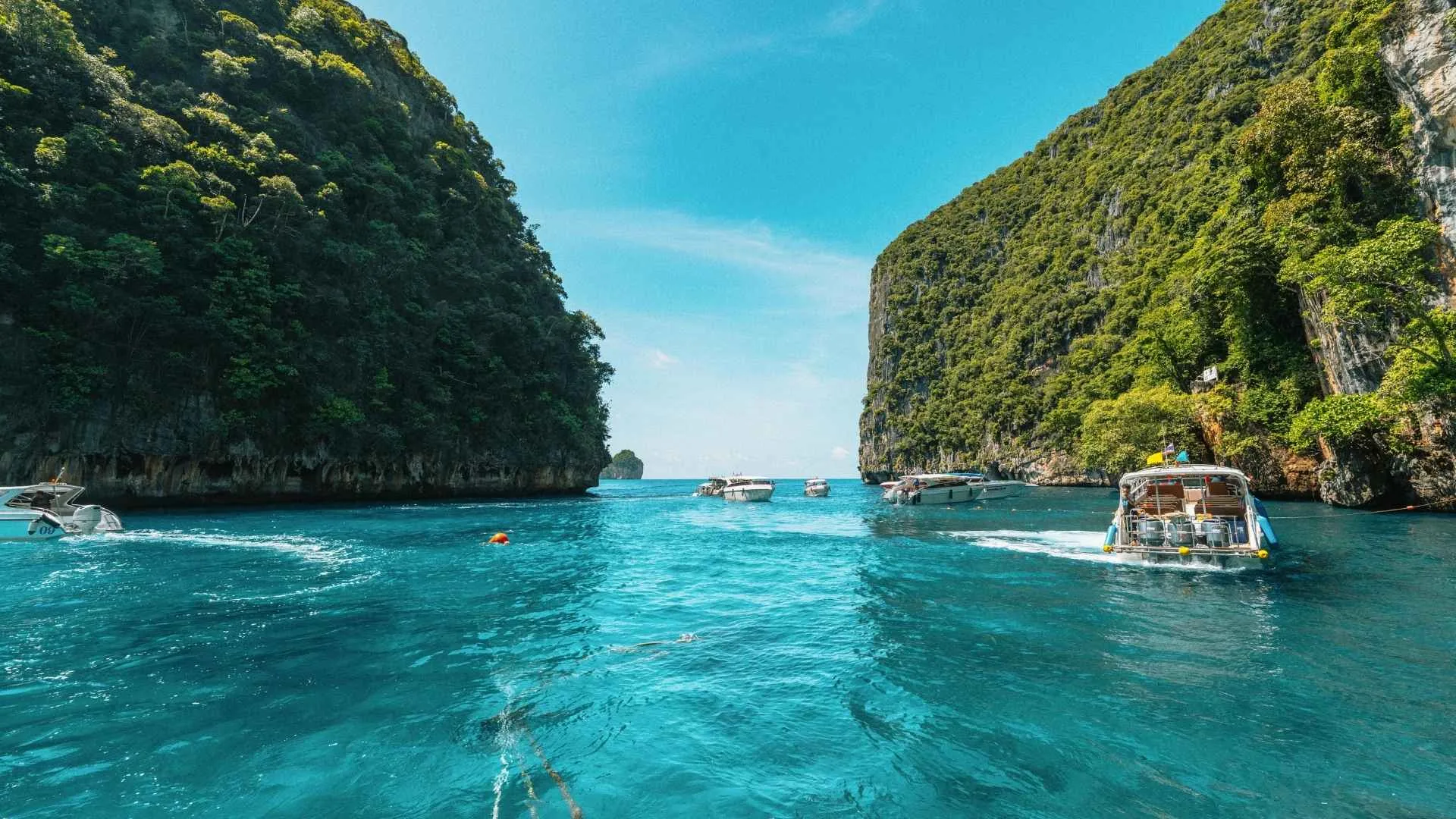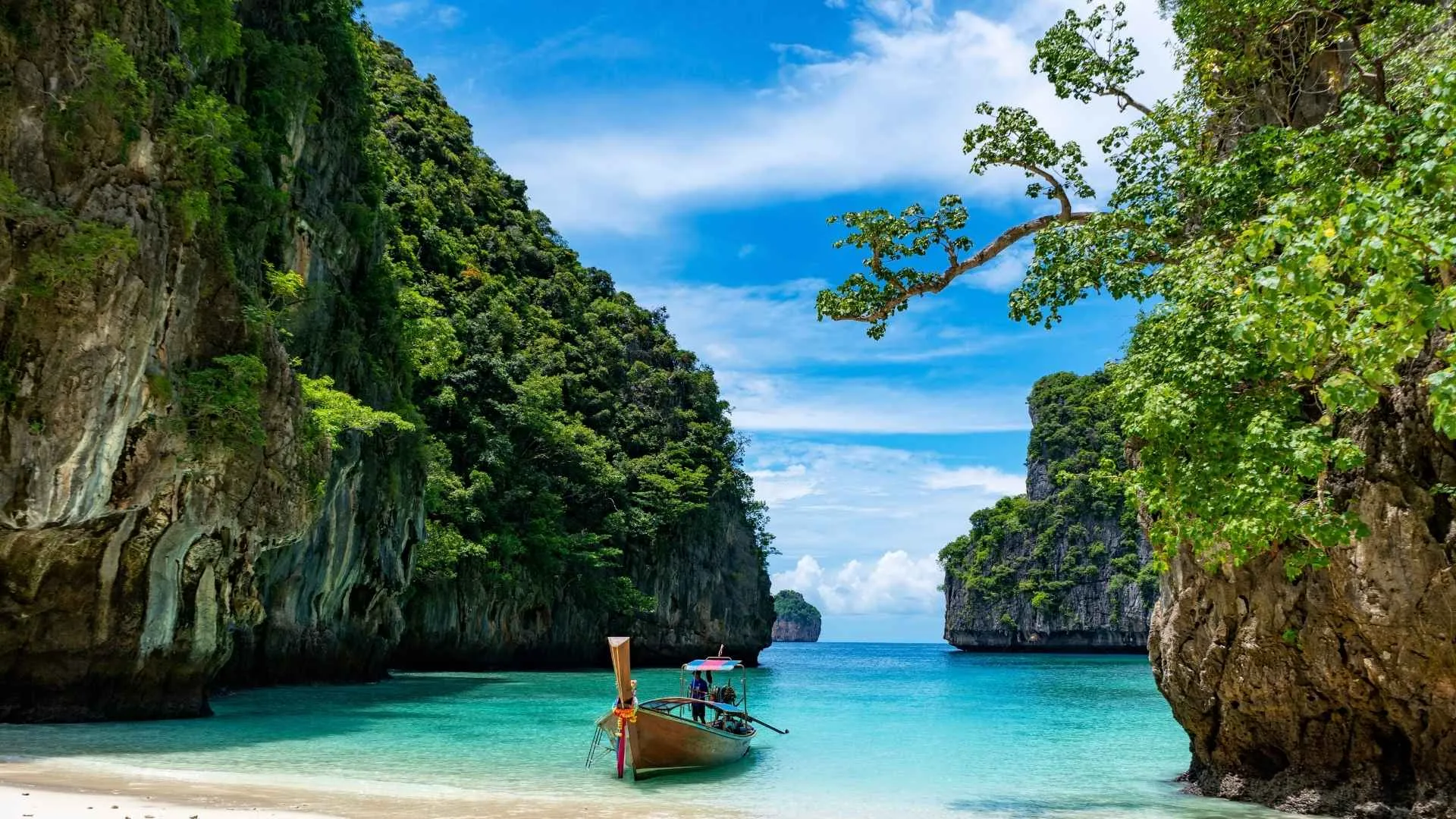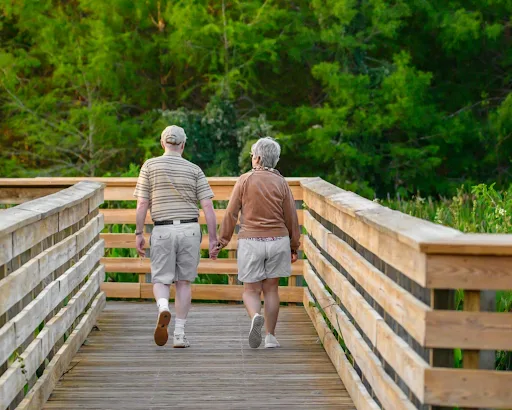
Hot springs can be a peaceful way to travel, especially for older adults who enjoy warm water, quiet scenery, gentle movement, and slower days outdoors. A good soak can turn a simple trip into something restorative, but it also needs to be planned with more care than a regular sightseeing stop. Heat, uneven paths, dehydration, long drives, and medication routines can all affect how comfortable and safe the experience feels.
The goal is not to make hot springs seem risky or complicated. It is to make the trip easier to enjoy. With the right planning, older travelers can choose better locations, avoid preventable discomfort, and spend more time focusing on rest instead of logistics.
Start With Medication Side Effects Before Choosing The Spring
Medication should be part of the planning conversation before any hot springs trip, especially for older adults managing blood pressure, heart conditions, dizziness, fatigue, or balance concerns. Hot water can make the body feel relaxed, but it can also make some people feel lightheaded, overheated, weak, or unsteady if they soak too long or stand up too quickly.
For example, a patient-friendly guide to metoprolol side effects lists tiredness, dizziness, lightheadedness, slowed heartbeat, low blood pressure, shortness of breath, and diarrhea among possible side effects. That does not mean everyone taking this medication must avoid hot springs. It does mean that anyone taking heart or blood pressure medication should understand how they personally respond to heat, hydration changes, and standing after sitting in warm water.
Older adults should avoid changing, skipping, or stopping medication because of a trip unless a healthcare provider tells them to. A better approach is to ask practical questions before traveling: Is soaking in hot water safe with my condition? How long should I stay in? Should I avoid very hot pools? Are there warning signs that mean I should get out? This keeps the focus where it belongs: on safe enjoyment rather than guesswork.
Choose Developed Hot Springs Over Remote Pools
Remote natural hot springs can be beautiful, but they are not always the best first choice for older travelers. Some require rough roads, uneven trails, river crossings, slippery rocks, limited lighting, or long walks back to the car. That can become stressful if someone has knee pain, balance issues, heart concerns, or low stamina.
Developed hot springs resorts, bathhouses, and managed pools are often a safer starting point. They are more likely to have parking, changing rooms, handrails, benches, staff, restrooms, marked pools, clearer rules, and easier access to help if something goes wrong. These details may sound ordinary, but they can make the difference between a relaxing trip and an uncomfortable one.
When comparing locations, look beyond the beauty of the photos. Check whether the soaking area has stairs or ramps, whether the ground gets slippery, how far the pools are from parking, and whether there is shade or a cool resting area nearby. For older adults, comfort is not a luxury detail. It is part of safety.
Pay Attention To Water Temperature And Soak Time
Hot springs vary widely in temperature. Some are warm and gentle, while others can be too hot for comfortable soaking. CDC guidance for hot tubs says water temperature should not be higher than 104°F / 40°C, which is a helpful safety reference when thinking about developed soaking pools.
Older adults should be especially careful with very hot water because the body may not adjust to heat as quickly with age. The CDC also notes that people aged 65 and older are more prone to heat-related health problems, making hydration, cooling breaks, and heat awareness important even outside a hot springs setting.
A safer plan is to start with a shorter soak and build in breaks. Instead of staying in the hottest pool for a long time, choose a milder pool, sit near the edge, and get out before feeling dizzy, flushed, weak, or uncomfortable. Resting between soaks can be just as important as the soak itself. A towel, water bottle, shaded chair, and slow pace can help turn the visit into a calm routine rather than a test of endurance.
Plan The Route Like Part Of The Wellness Experience
A hot springs trip can lose its relaxing quality if the travel day is too long, rushed, or physically demanding. Older adults may benefit from a slower route with clear stops, daylight driving, and enough time to arrive before fatigue sets in.
Before leaving, check road conditions, weather, parking instructions, entry rules, reservation requirements, and seasonal closures. Mountain and forest hot springs may be affected by snow, wildfire conditions, storms, or road maintenance. Desert hot springs can bring the opposite problem: intense sun, limited shade, and dehydration risk.
The best plan is simple and realistic. Leave earlier than necessary, avoid packing the day with multiple stops, and choose one main soaking experience instead of trying to visit several places in one trip. If the destination is far from home, consider staying overnight nearby rather than driving back tired after soaking. Warm water can make the body feel loose and sleepy, which is not ideal before a long evening drive.
Keep Hydration, Food, And Cooling Breaks Simple
Warm water can make it easy to underestimate fluid loss. Older travelers should drink water before and after soaking and avoid arriving dehydrated after a long drive, hike, or day in the sun. Alcohol should be treated with caution around hot water because it can worsen dehydration, affect balance, and make it harder to notice overheating.
Food planning should be simple. A light meal or snack before soaking can help prevent weakness, but a very heavy meal right before entering hot water may feel uncomfortable. Pack easy foods such as fruit, crackers, nuts, sandwiches, or other familiar snacks that will not upset the stomach.
Cooling breaks are part of the experience, not an interruption. Sitting in the shade, breathing fresh air, drinking water, and letting the body return to normal temperature can make the next soak more enjoyable.
Wrapping Up
A safer hot springs trip should feel calm, not clinical. Older adults can enjoy warm mineral water more confidently by planning around medication, access, temperature, hydration, food, and travel time. When comfort guides each decision, the trip becomes less about managing risk and more about returning home rested and steady.