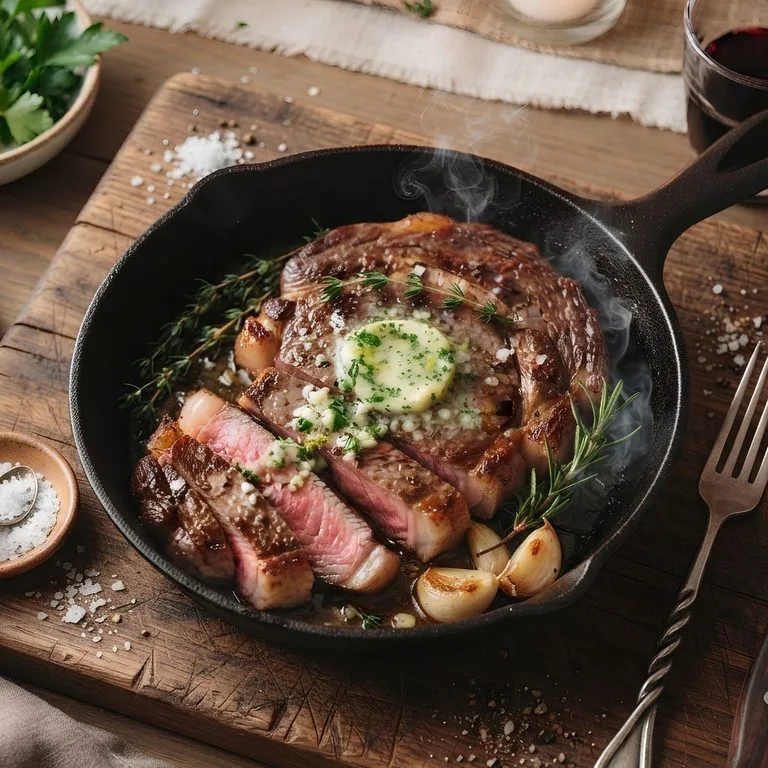
20-Minute Garlic Chicken Skillet Recipe: Juicy, Buttery Weeknight Meals!

I love recipes that make dinner feel special without keeping me in the kitchen for hours. When I want something quick, juicy, and packed with garlic flavor, this 20-Minute Garlic Chicken Skillet Recipe is one of my favorite ideas.
I sear the chicken until golden, then build a buttery garlic sauce in the same pan. The result is tender chicken coated in savory herbs, rich butter, and plenty of fresh garlic. For me, this simple garlic butter chicken recipe is an easy answer to a busy weeknight dinner.

Cooking Time
This recipe is designed to get dinner on the table quickly, with very little preparation.
- Prep Time: 5 minutes
- Cooking Time: 15 minutes
- Total Time: 20 minutes
Ingredients
The ingredient list is short, but every item contributes to the juicy chicken and flavorful pan sauce.
- 4 boneless, skinless chicken breasts, 8 ounces each — Use pieces of similar thickness so they cook evenly.
- 2 teaspoons sea salt — Seasons the chicken and brings out its natural flavor.
- ½ teaspoon black pepper — Adds gentle warmth and balances the buttery sauce.
- ½ teaspoon dried thyme — Gives the chicken a light earthy, herby flavor.
- ½ teaspoon dried oregano — Adds savory depth to the seasoning.
- ½ teaspoon dried rosemary — Provides a fragrant herbal note.
- ½ teaspoon dried parsley — Rounds out the dried herb mixture.
- 1 tablespoon olive oil — Use it for searing because butter can burn at high heat.
- 3 tablespoons unsalted butter — Creates the rich, silky garlic butter base.
- ½ cup reduced-sodium chicken broth — Adds savory liquid and helps form the pan sauce.
- 5 cloves fresh garlic, minced — Fresh garlic gives the sauce its strongest flavor; I would not replace it with garlic powder.
Note: serves several — the quantities above make about 4 servings.
Equipment You Need
A few basic kitchen tools are enough to make this one-pan chicken dinner.
- Large skillet — Use it to sear the chicken and prepare the sauce in the same pan.
- Wooden spoon — Scrape the browned bits from the skillet while making the sauce.
- Paper towels — Pat the chicken dry before seasoning for better browning.
- Tongs or a spatula — Help turn the chicken without damaging its golden crust.
- Instant-read thermometer — Useful for checking that the chicken reaches a safe internal temperature.
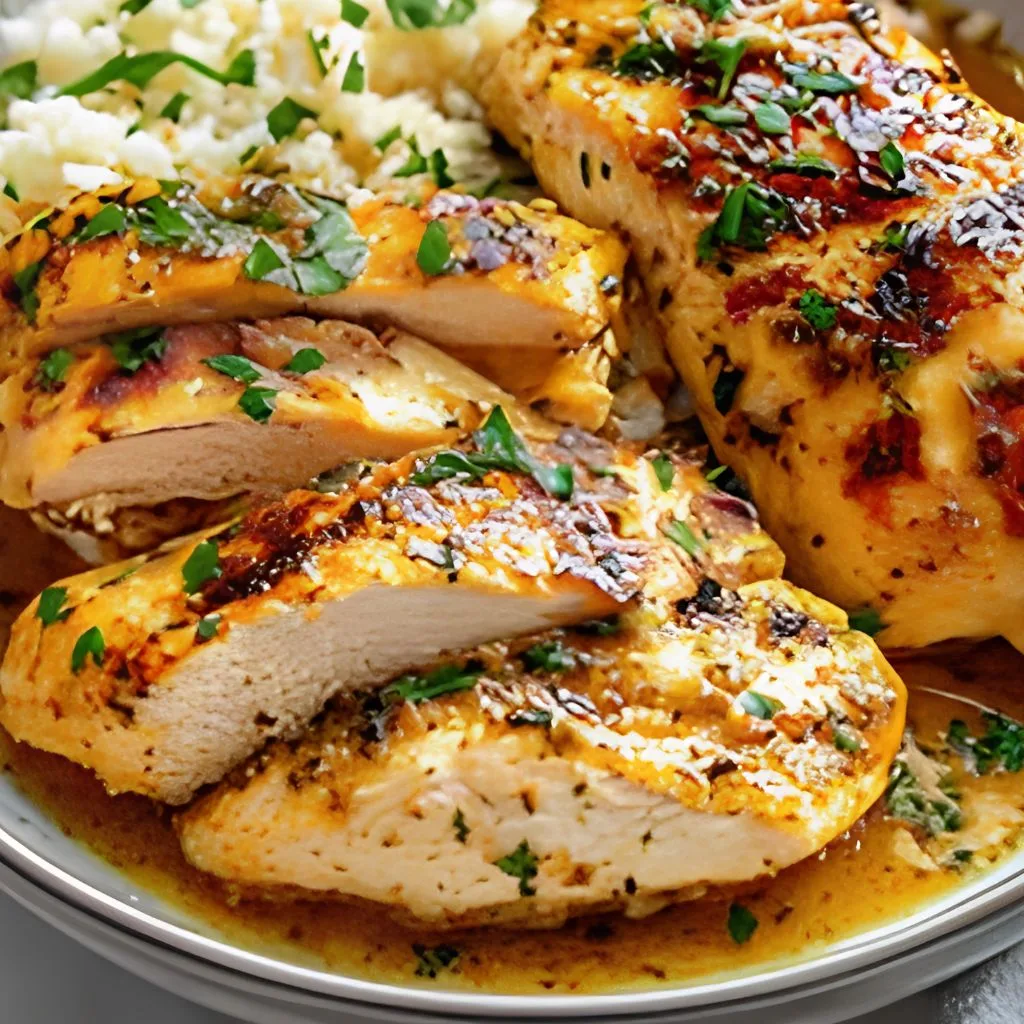
How to Make a 20-Minute Garlic Chicken Skillet Recipe?
This recipe comes together in one skillet, which keeps both the cooking process and cleanup simple. The key is to brown the chicken first, then use the flavorful bits left in the pan to build the garlic butter sauce. I also recommend keeping the chicken from overcooking so the finished breasts stay tender and juicy.
Prepare and Season the Chicken
Pat the chicken breasts dry with paper towels. This removes excess surface moisture and helps the outside brown rather than steam. Season both sides evenly with sea salt, black pepper, thyme, oregano, rosemary, and parsley. If the breasts are very thick, slicing or gently pounding them can help them cook more evenly.
Heat the Skillet
Place a large skillet over medium-high heat and add the olive oil. Let the pan and oil become properly hot before adding the chicken. A hot cooking surface helps create a golden exterior. Avoid starting with butter for the searing stage because it can burn at the higher temperature needed for browning.
Sear the Chicken
Arrange the chicken breasts in a single layer without overcrowding the pan. Sear them for roughly 4–8 minutes per side, depending on their thickness. The goal is a nicely browned outside with the chicken just barely cooked through. If the surface becomes too dark before the chicken is ready, lower the heat to medium.
Remove and Rest the Chicken
Transfer the browned chicken to a plate and cover it to keep it warm. This also gives you space to prepare the sauce in the same skillet. If you use an instant-read thermometer, the chicken can be removed around 160–163°F and allowed to finish reaching 165°F while resting, provided it reaches the safe final temperature.
Build the Butter Sauce
Add the unsalted butter and chicken broth to the skillet. As the butter melts, use a wooden spoon to loosen the browned pieces stuck to the bottom. Those browned bits add extra savory flavor to the sauce, so I would not skip this deglazing step. It is one of the easiest ways to make a simple pan sauce taste much richer.
Add the Fresh Garlic
Turn the heat down to low and add the minced garlic. Cook it for about one minute, just until fragrant. Keep an eye on the garlic during this stage. Garlic can become bitter if it gets too dark, so gentle heat is better than rushing this step.
Return the Chicken to the Skillet
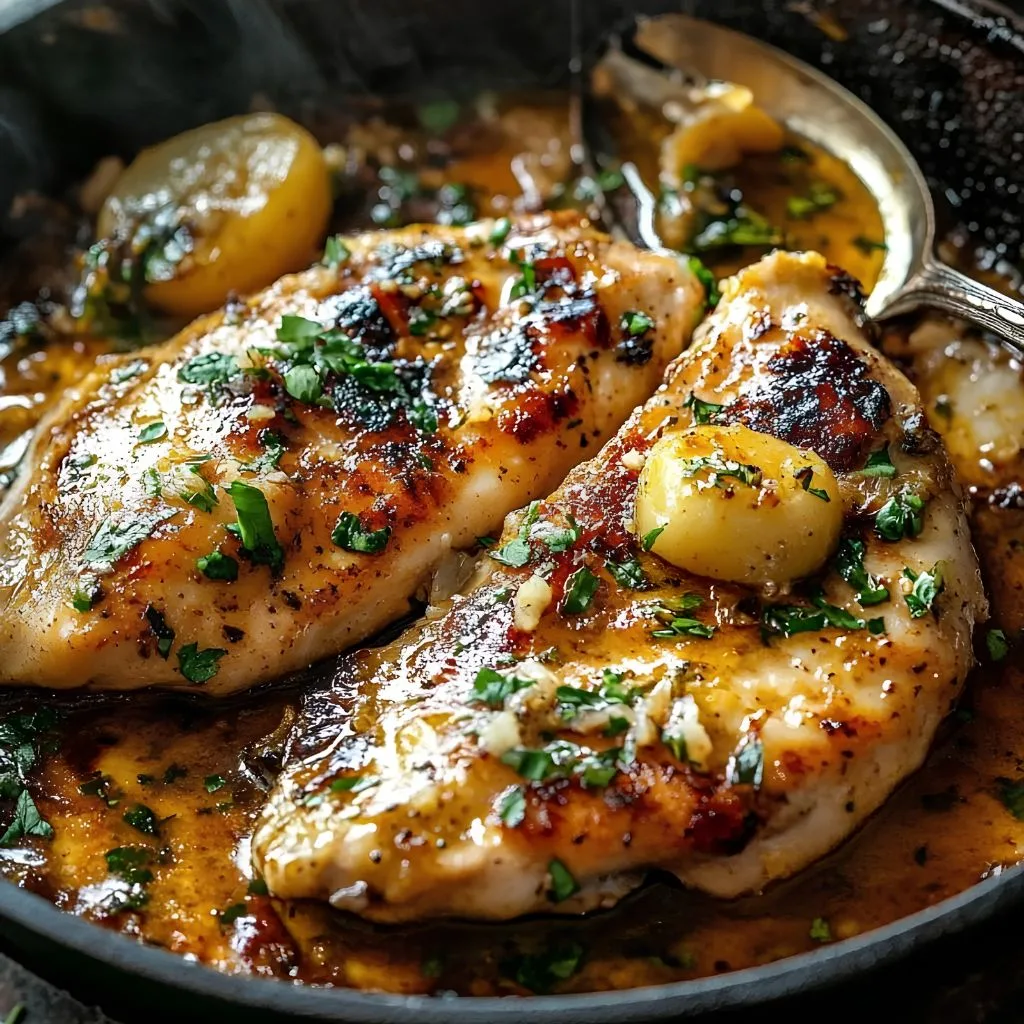
Place the chicken back into the pan and turn each piece through the sauce. Spoon the buttery garlic mixture over the top so the chicken gets coated from all sides. If necessary, let everything heat together for another 1–2 minutes. This final step brings the chicken and sauce together without requiring a long simmer.
Finish and Serve
Transfer the chicken to serving plates and spoon plenty of the garlic butter pan juices over each breast. For me, the sauce is the finishing touch that makes this dish so appealing. Serve immediately with a side that can soak up the flavorful butter and broth mixture.
Additional Tips for Making This Recipe Better
These small adjustments can make a noticeable difference when preparing this skillet chicken.
- I always dry the chicken first. Removing surface moisture helps the chicken develop a better golden-brown exterior.
- I prefer fresh garlic here. Since garlic is a central flavor, freshly minced cloves give the sauce a much better texture and taste than garlic powder.
- I avoid crowding my skillet. If the chicken does not fit comfortably in one layer, I cook it in batches rather than steaming the pieces.
- I watch the temperature closely. Removing the chicken when it is nearly done helps prevent dry, overcooked breast meat.
- I lower the heat before cooking the garlic. This gives the garlic time to become fragrant without quickly burning.
- I make extra sauce when serving sides. Doubling or tripling the sauce gives rice, noodles, or vegetables more buttery garlic flavor to soak up.
Common Mistakes to Avoid
A few simple mistakes can affect the texture and flavor of this recipe.
- Overcooking the chicken: I avoid leaving the chicken in the skillet longer than necessary because breast meat can quickly become dry.
- Using too much heat for the garlic: I turn the heat down before adding garlic so it becomes fragrant instead of bitter.
- Crowding the pan: I give each chicken breast enough room to sear properly; overcrowding can slow browning and cooking.
- Skipping the deglazing step: I always scrape up the browned bits because they add valuable flavor to the butter sauce.
- Starting with butter for high-heat searing: I use olive oil first and save the butter for the lower-temperature sauce stage.
How to Serve a 20-Minute Garlic Chicken Skillet?
This chicken is especially good with sides that can capture every drop of the garlic butter sauce. Mashed potatoes are an easy choice, while mashed cauliflower or mashed sweet potatoes work well when you want a different option.
You can also serve the chicken over rice, cauliflower rice, pasta, spaghetti squash, or zucchini noodles. If you increase the sauce, it becomes easier to coat the side dish as well.
For presentation, place the chicken breast on the plate first, spoon the glossy pan sauce over it, and keep some of the browned surface visible. A small sprinkle of fresh herbs can add color and make the finished dish look more inviting.
Variations
You can change the flavor profile without changing the basic skillet method.
- Lemon garlic chicken: Add 1–2 tablespoons of lemon juice or about 1 teaspoon of lemon zest to the sauce just before returning the chicken.
- Spicy garlic chicken: Add crushed red pepper flakes to the herb mixture or sauce for a gentle kick.
- Italian-style version: Replace the individual dried herbs with Italian seasoning for a convenient herb blend.
- Chicken thigh version: Use boneless chicken thighs instead of breasts, choosing pieces of similar thickness for more even cooking.
- Fresh-herb version: Fresh herbs can be used in place of dried herbs; the source recommends using about three times the dried-herb quantity.
- White-wine variation: Replace half of the chicken broth with white wine for another layer of flavor.
- Dairy-free direction: A dairy-free butter alternative can be used if you need to avoid dairy, although the original recipe uses unsalted butter.
- Low-carb option: Serve it with cauliflower mash, cauliflower rice, or zucchini noodles for a meal that keeps the carbohydrate content low.
The related search phrases “butter garlic chicken recipe panlasang pinoy,” “butter garlic chicken Indian,” “butter garlic chicken breast recipes,” and “garlic butter chicken Allrecipes” may describe different preparations, so they should not be treated as alternate versions of this exact source recipe.
Nutritional Information
The source recipe provides the following approximate nutrition per serving, with one chicken breast and its sauce counted as a serving.
- Calories: 372
- Protein: 48.8 g
- Carbohydrates: 1.8 g
- Fat: 17.9 g
These figures are recipe estimates and can vary with ingredient brands, portion sizes, and preparation.
Make Ahead and Storage
Refrigerating Leftovers
I would place cooled leftovers in an airtight container and refrigerate them promptly. The source recipe states that the cooked chicken stays fresh in the refrigerator for up to 4 days. Keep the chicken together with its sauce when possible so the meat has some moisture when you reheat it.
Reheating
For the best texture, reheat the chicken covered with foil in a 350°F oven. Covering it helps retain moisture while it warms. A skillet can also work, but it requires closer attention because the chicken may dry out before the center becomes hot. The microwave is another option, although it can produce a drier texture.
Freezing
For longer storage, portion the chicken into freezer-safe bags along with the sauce. The source recipe recommends freezing it for up to 4 months. When you are ready to eat it, thaw the portion overnight in the refrigerator before reheating.
Why You’ll Love This Recipe?
This recipe has several qualities that make it an easy addition to a regular dinner rotation.
- It is genuinely quick: I can have this style of chicken ready in about 20 minutes, making it practical for busy evenings.
- Everything happens in one skillet: I appreciate recipes that keep cleanup manageable, and this method uses the same pan for searing and sauce-making.
- The ingredient list is simple: Most ingredients are everyday pantry or refrigerator staples, so there is no need for an elaborate shopping list.
- It is easy to customize: I can change the herbs, add lemon, increase the garlic, or introduce a little heat without rebuilding the recipe from scratch.
- It works with many sides: I can pair it with mash, rice, noodles, cauliflower rice, spaghetti squash, or zucchini noodles depending on what I have available.
FAQs
Can I use chicken thighs instead of chicken breasts?
Yes. Boneless chicken thighs can be used in place of breasts. Try to select pieces with similar thickness so they cook at a similar rate.
Can I use garlic powder instead of fresh garlic?
Fresh garlic is strongly recommended for this recipe because it is one of the main flavors. Garlic powder will not provide the same texture or fresh garlic character.
How do I keep the chicken from becoming dry?
I focus on cooking the chicken only until it is just done rather than leaving it in the pan for too long. An instant-read thermometer can help you monitor the internal temperature accurately.
Can I make the sauce more lemony?
Yes. Add 1–2 tablespoons of lemon juice and/or about 1 teaspoon of lemon zest to the sauce near the end of cooking for a bright lemon-garlic variation.
Can I make extra garlic butter sauce?
Absolutely. The source suggests doubling or tripling the sauce when you want extra for your side dishes. It works particularly well with rice, noodles, or vegetables that can absorb the sauce.
Final Thoughts
This 20-minute garlic chicken skillet is a great example of how a few straightforward ingredients can create a satisfying dinner. The combination of golden chicken, fresh garlic, butter, herbs, and savory broth delivers plenty of flavor without complicated techniques.
If I were planning a quick weeknight meal, I would keep this recipe handy because it is fast, adaptable, and easy to pair with different sides. The biggest secret is simple: get the chicken nicely browned, avoid overcooking it, and treat the garlic butter sauce as the star finishing touch.