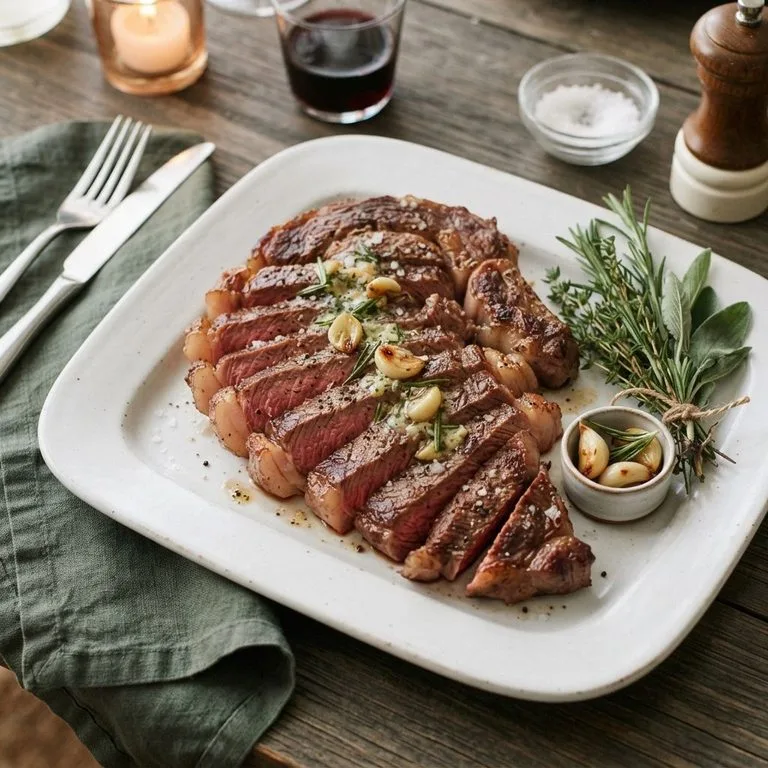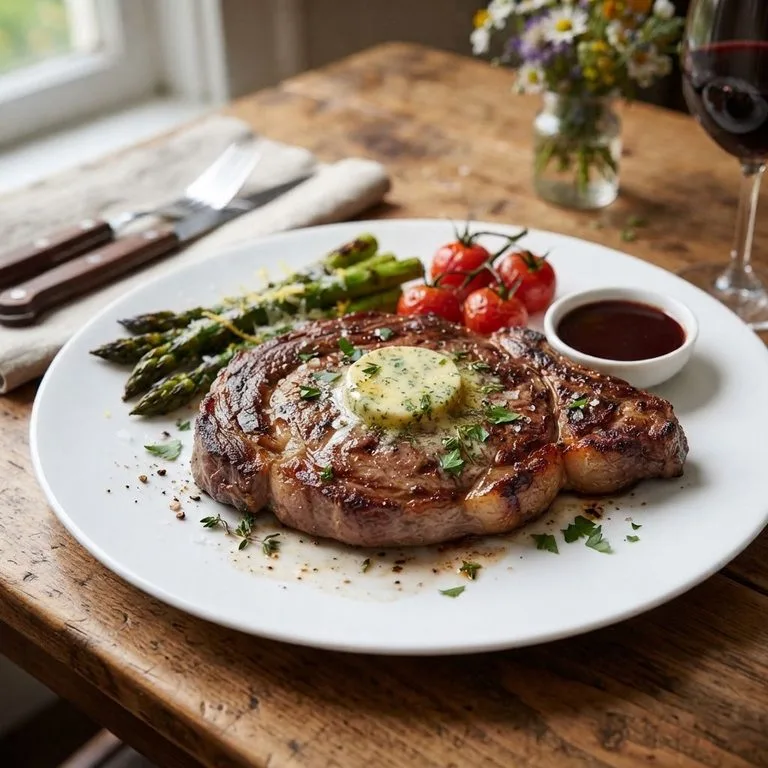
Butter Basted Steak Recipe: Juicy, Tender & Full of Flavor

I love making steak at home, especially when I want something that feels like a restaurant-quality meal without complicated ingredients. The first time I tried butter basting, I was amazed by how the butter, garlic, and fresh herbs transformed an ordinary steak into something special. I found that a hot pan creates a beautiful golden-brown crust, while spooning fragrant butter over the meat adds incredible flavor.
My favorite part is how easy it is to adjust the cooking time to get the doneness I enjoy, from a warm pink center to a more thoroughly cooked steak. If you want a juicy, flavorful dinner with simple ingredients, this Butter Basted Steak Recipe is one I think you’ll want to make again and again.
Cooking Time
This recipe is ideal for a quick dinner, a special weekend meal, or an impressive date-night dish.
- Prep Time: 10 minutes
- Cooking Time: 12–18 minutes, depending on steak thickness and desired doneness
- Total Time: 22–28 minutes
Ingredients for Butter Basted Steak
Each ingredient has a purpose, from building a savory crust to creating the rich butter sauce that makes this steak so delicious.
- 2 ribeye steaks, approximately 1 inch thick (12–16 ounces each) — Ribeye has excellent marbling that helps keep the meat juicy and flavorful.
- 2 tablespoons vegetable oil — Use an oil with a high smoke point for searing over high heat.
- 4 tablespoons unsalted butter — Butter creates a rich basting sauce and helps coat the steak with a delicious, savory finish.
- 3 garlic cloves, lightly crushed — Crushed garlic releases its aroma without burning as quickly as finely minced garlic.
- 2 sprigs fresh rosemary or thyme — Fresh herbs add an earthy, restaurant-style aroma to the butter.
- 1 teaspoon kosher salt, or to taste — Salt seasons the meat and enhances its natural beef flavor.
- ½ teaspoon freshly ground black pepper, or to taste — Freshly ground pepper adds gentle heat and a pleasant savory bite.
Note: serves several — This recipe serves 2 generously, or up to 4 people when paired with substantial side dishes.
Equipment You Need
Having the right equipment makes searing and basting easier while helping you control the steak’s doneness.
- Heavy cast-iron skillet — Retains heat well and creates a deeply browned crust.
- Kitchen tongs — Let you turn the steak and hold it safely while searing the edges.
- Large spoon — Makes it easy to scoop up hot herb butter and pour it over the meat.
- Paper towels — Help remove surface moisture so the steak browns instead of steaming.
- Instant-read meat thermometer — Helps you check the internal temperature accurately.
- Cutting board — Provides a clean surface for resting and slicing the finished steak.
- Sharp chef’s knife — Cuts the steak neatly across the grain for tender bites.
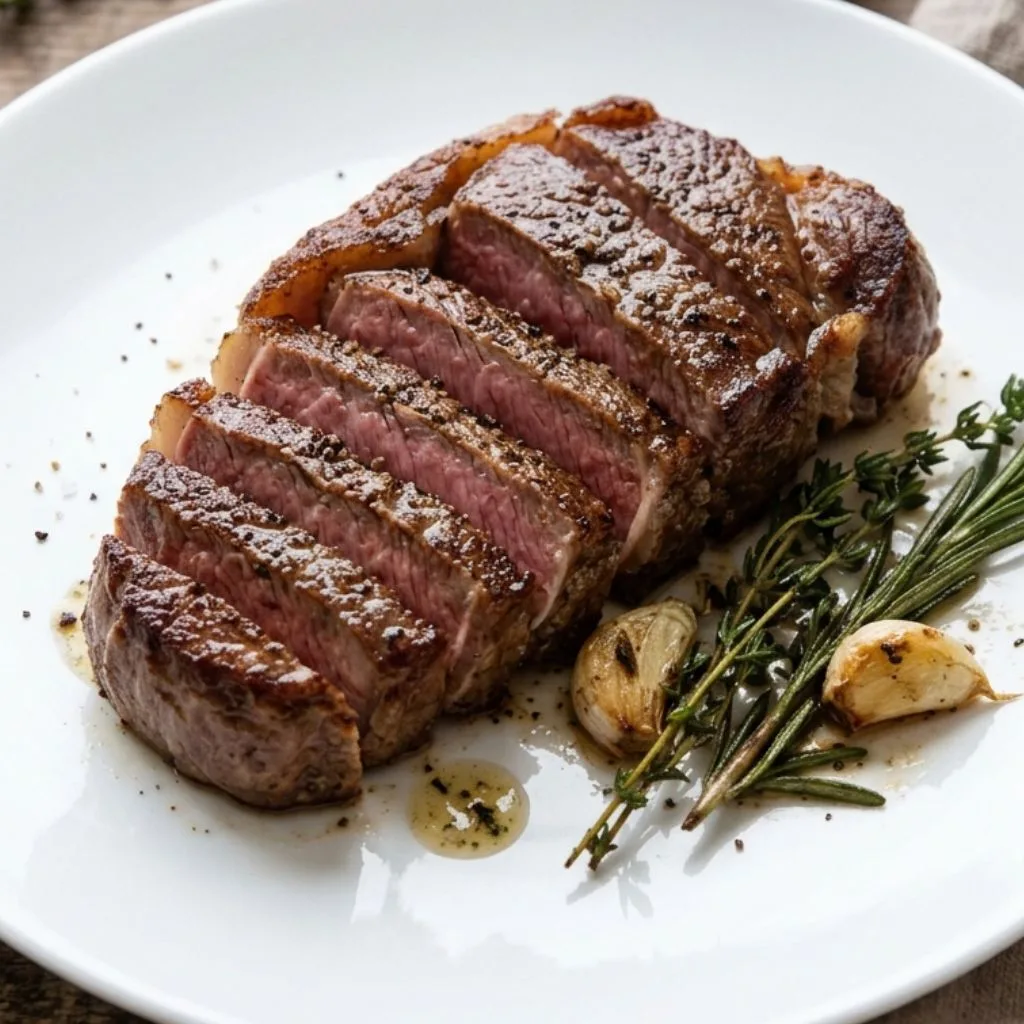
How to Make a Butter Basted Steak Recipe?
Making a delicious butter basted steak starts with a properly heated pan and a dry, well-seasoned piece of meat. Once the steak develops a golden crust, butter, garlic, and fresh herbs turn the pan juices into a fragrant basting sauce. Follow these simple steps to cook a steak that looks impressive, tastes rich, and stays juicy when sliced.
Step 1: Prepare the Steaks
Remove the steaks from the refrigerator about 20–30 minutes before cooking if convenient, and pat them dry with paper towels. Season both sides generously with kosher salt and freshly ground black pepper, pressing the seasoning lightly into the surface. Dry meat browns more effectively, so don’t skip this simple preparation step.
Step 2: Heat the Skillet
Place a heavy cast-iron skillet over medium-high to high heat and let it become thoroughly hot. Add the vegetable oil and swirl it around to coat the bottom of the pan evenly. The oil should shimmer before you add the steaks, but it should not be producing excessive smoke.
Step 3: Sear the Steaks
Carefully place the steaks in the hot skillet, leaving enough room around them for even browning. Sear for approximately 3–4 minutes on the first side without moving the meat, then turn and sear the other side for another 3–4 minutes. Adjust the timing for thickness, pan temperature, and the level of doneness you prefer.
Step 4: Add Butter, Garlic, and Herbs
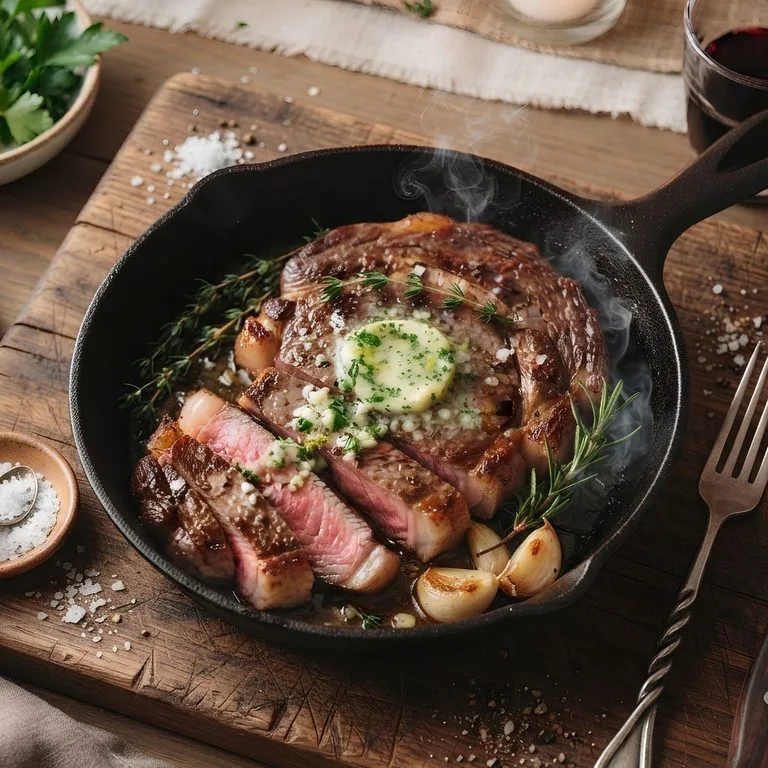
Reduce the heat to medium-low and add the butter, crushed garlic cloves, and rosemary or thyme sprigs. Allow the butter to melt and become fragrant, gently tilting the skillet so the melted butter collects along one side. Keep the garlic and herbs in the butter, but watch carefully to prevent the garlic from turning dark and bitter.
Step 5: Baste the Steaks with Butter
Tilt the skillet slightly and use a large spoon to scoop up the melted butter, garlic, and herb-infused juices. Repeatedly spoon the hot butter over the tops of the steaks for about 1–3 minutes, turning the steaks as needed for even cooking. For anyone learning how to cook a thick steak in a pan, frequent temperature checks are more reliable than timing alone.
Step 6: Check the Internal Temperature
Insert an instant-read thermometer horizontally into the thickest part of each steak without touching the pan or bone. For food safety, the USDA recommends a minimum internal temperature of 145°F (63°C), followed by at least a 3-minute rest for whole cuts of beef.
Cooking times vary, so use temperature rather than color alone to determine whether your steak is ready.
Step 7: Rest and Serve
Transfer the steaks to a clean cutting board and let them rest for at least 3 minutes before slicing. Resting gives the juices time to settle, helping the meat remain moist when cut. Finish with a little of the fragrant pan butter, then slice across the grain or serve the steaks whole.
Additional Tips for Making This Recipe Better
After making butter basted steak, I’ve learned that small details can make a noticeable difference in flavor and texture.
- I always pat the steak completely dry before searing because moisture can prevent a good crust from forming.
- I use a cast-iron skillet when possible because it holds heat well and browns the meat beautifully.
- I add butter only after the initial sear so it has less time to burn over high heat.
- I like to baste steak with thyme or rosemary, choosing rosemary for a bold aroma and thyme for a gentler herbal flavor.
- I use a thermometer instead of relying entirely on cooking minutes, especially when preparing thick steaks.
- I spoon the butter over the steak continuously but carefully, keeping the heat controlled so the garlic doesn’t burn.
- I let the meat rest before serving because cutting too early can release more of the juices onto the board.
Common Mistakes to Avoid
I’ve found that avoiding a few common mistakes makes the difference between an average steak and a memorable one.
- Starting with wet meat: I always dry the steak thoroughly because excess moisture interferes with browning.
- Burning the butter: I wait until after searing to add butter and reduce the heat before basting.
- Moving the steak too soon: I leave it undisturbed during the initial sear so the crust has time to develop.
- Guessing the doneness: I check the internal temperature rather than assuming every steak cooks in the same amount of time.
- Skipping the resting period: I give the steak at least 3 minutes to rest before slicing to help retain its juices.
How to Serve Butter Basted Steak?
A beautifully seared steak deserves sides and garnishes that complement its rich, buttery flavor.
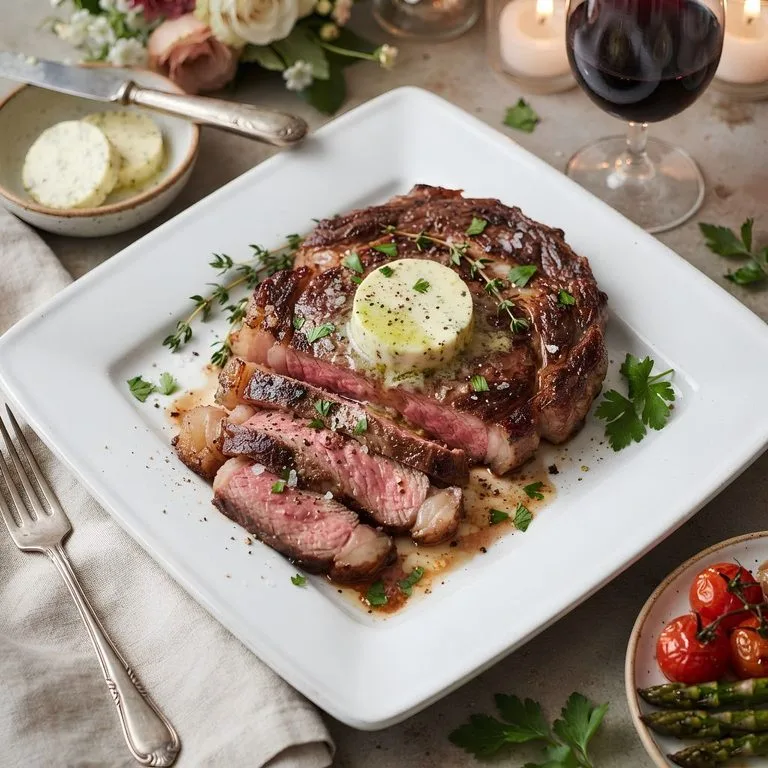
I like to serve the steak on a warm plate with roasted potatoes, creamy mashed potatoes, or crispy fries. Roasted asparagus, green beans, sautéed mushrooms, and a fresh garden salad are also excellent choices because they balance the richness of the butter.
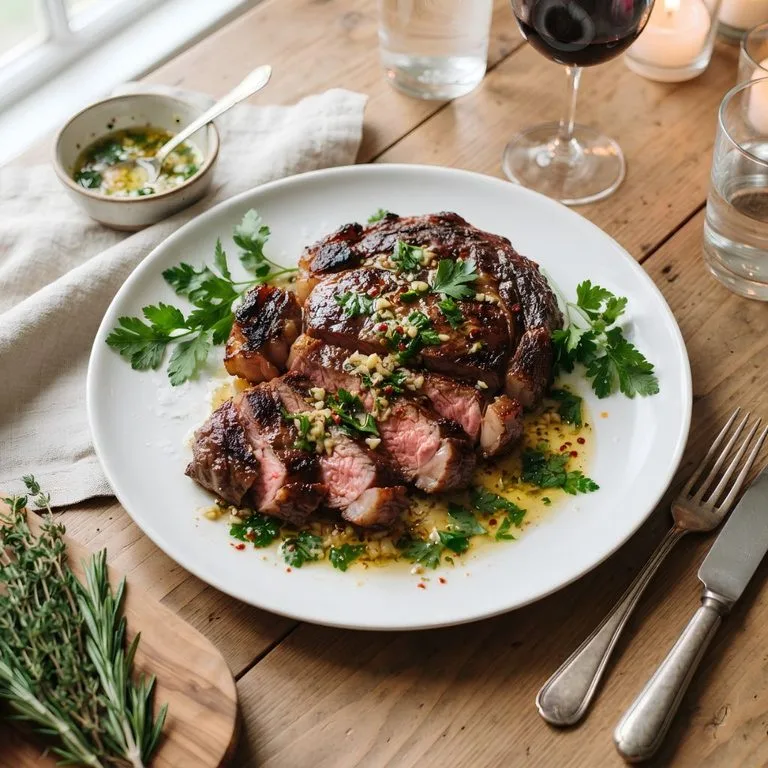
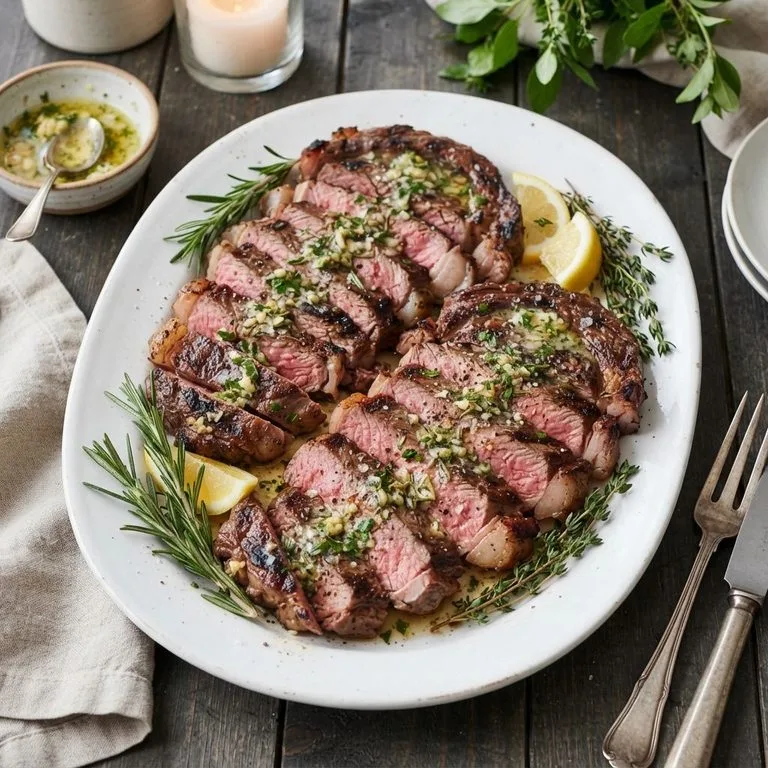
For an attractive presentation, spoon a little herb butter over the steak just before serving. Add a sprig of fresh rosemary or thyme and a light sprinkle of freshly cracked black pepper. Slice the steak against the grain if you’re serving it family-style, and keep the sides neatly arranged around the meat.
For a more complete dinner, pair it with crusty bread to soak up the remaining pan butter. Serve immediately while the steak is warm and the buttery sauce is still fragrant.
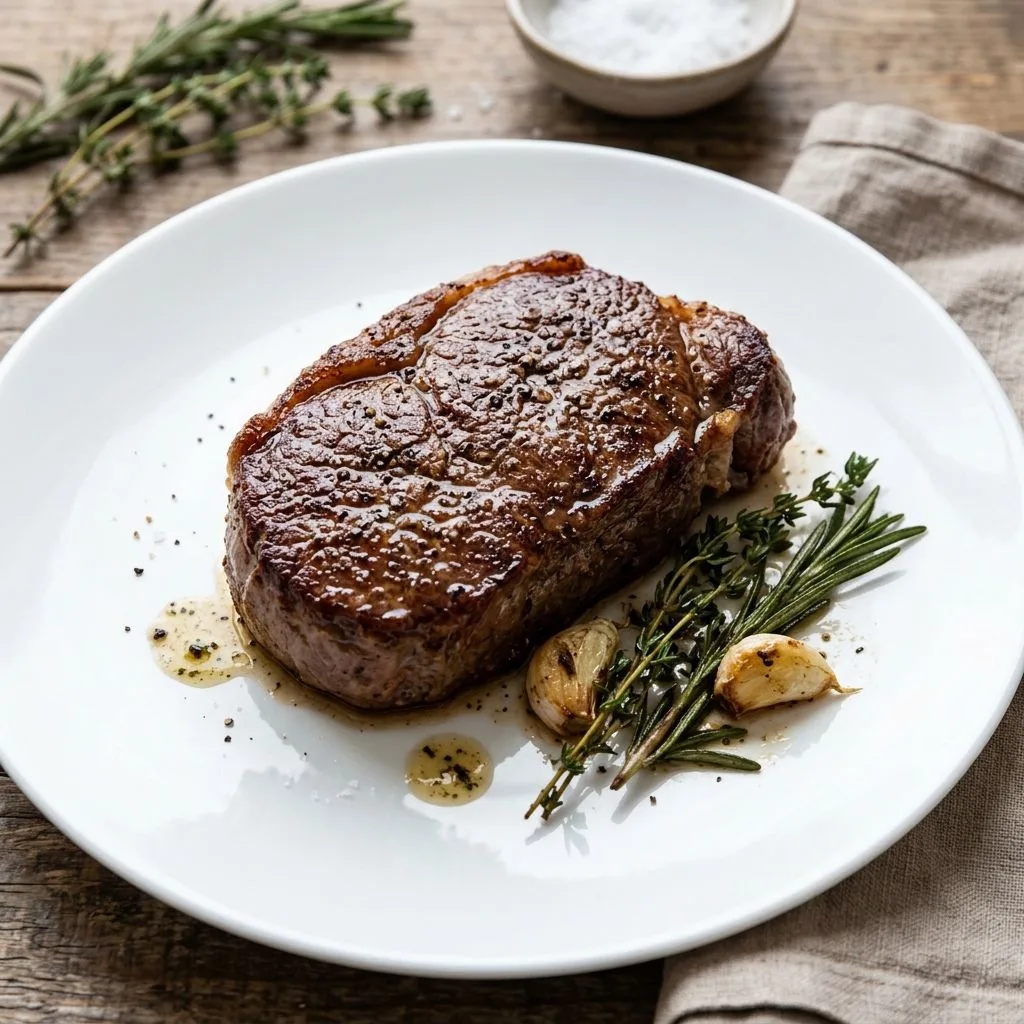
Variations
One of my favorite things about this basting steak recipe is how easily I can adjust the flavors to suit different preferences.
- Butter basted ribeye recipe: Use well-marbled ribeye for a rich, tender result with plenty of beefy flavor.
- Garlic butter steak: Add one extra crushed garlic clove for a stronger garlic aroma.
- Rosemary steak: Use fresh rosemary sprigs for a bold, woodsy flavor.
- Thyme butter steak: Choose fresh thyme for a lighter herbal note that complements beef without overpowering it.
- Dairy-free version: Replace dairy butter with a suitable dairy-free butter alternative, checking that it tolerates the heat required for basting.
- Extra peppery steak: Add freshly cracked black pepper after searing for a stronger pepper flavor without risking excessive bitterness in the hot pan.
- Chili butter steak: Add a small pinch of red pepper flakes to the butter for gentle heat.
- Mushroom butter steak: Sauté sliced mushrooms in the pan after removing the steak, using the remaining flavorful butter and juices.
- Different steak cuts: Try New York strip or top sirloin, adjusting the cooking time to suit the cut and thickness.
- Lemon-herb finish: Add a small squeeze of lemon after cooking to brighten the rich butter flavor.
Nutritional Information
The following values are estimates for one serving when this recipe serves two people, including a portion of the cooking butter. Actual nutrition depends on the steak’s size, marbling, and how much butter remains in the pan.
- Calories: 750–950 kcal
- Protein: 45–60 g
- Carbohydrates: 1–3 g
- Fat: 60–80 g
Make Ahead and Storage
Butter basted steak tastes best freshly cooked, but you can prepare ingredients in advance and safely store leftovers.
Make Ahead
I like to measure the seasonings, crush the garlic, and prepare the herbs before heating the pan. You can also pat the steak dry and refrigerate it uncovered for several hours, provided it is kept safely chilled. For the best crust, cook the steak shortly before serving rather than fully cooking it hours in advance.
Refrigeration
Store leftover steak in an airtight container in the refrigerator within 2 hours of cooking. Keep it refrigerated at 40°F (4°C) or below and use it within 3–4 days. Store any remaining pan butter separately if desired, and refrigerate it promptly.
Reheating
I prefer reheating steak gently in a covered skillet over low heat with a small splash of water or a little butter. Turn it occasionally and heat until leftovers reach 165°F (74°C), as recommended for reheated leftovers. Avoid prolonged high heat because it can make the steak dry and tough.
Freezing
Allow the cooked steak to cool promptly, then wrap it tightly or place it in a freezer-safe airtight container. For best quality, use frozen cooked steak within 2–3 months, although continuously frozen food at 0°F (-18°C) remains safe longer. Thaw it in the refrigerator overnight before reheating, and avoid thawing it on the counter.
Why You’ll Love This Recipe?
This recipe combines simple ingredients with a cooking technique that makes an ordinary dinner feel special.
- Rich, restaurant-style flavor: I love how butter, garlic, and fresh herbs create a savory finish without needing a complicated marinade. The pan also develops flavorful browned bits that enrich every spoonful of butter.
- Simple ingredients: I can prepare this recipe with steak, oil, butter, seasoning, garlic, and herbs. Most of these ingredients are easy to find at an ordinary grocery store.
- Easy to customize: I can change the herbs, adjust the pepper, or add a little chili for a different flavor profile. The same basic method works with several popular steak cuts.
- Perfect for special occasions: I enjoy serving this steak for date nights, family dinners, and celebrations because it looks impressive without requiring elaborate preparation.
- Naturally low in carbohydrates: The basic recipe contains very few carbohydrates, making it a suitable option for many lower-carbohydrate meal plans. Side dishes and ingredient substitutions will affect the overall nutritional profile.
FAQs
Here are answers to some common questions about preparing, basting, and serving steak at home.
How long should I baste steak for medium rare?
After searing, baste the steak for approximately 1–3 minutes, adjusting the timing for its thickness and starting temperature. Use a thermometer for accuracy; medium-rare temperatures are lower than the USDA’s recommended 145°F (63°C) minimum for whole cuts of beef.
Should I pan-fry steak in butter or oil?
I prefer starting with a high-smoke-point oil because it handles the initial high-heat sear better. I then add butter, garlic, and herbs once the crust has formed, reducing the heat to prevent the butter from burning.
Can I make butter basted steak without a cast-iron skillet?
Yes. A heavy stainless-steel skillet is an excellent alternative because it can also produce a good sear. Choose a sturdy pan that retains heat well and avoid overcrowding it with multiple steaks.
Which herbs work best for butter basting?
Rosemary and thyme are classic choices because they complement beef and infuse the butter with a pleasant aroma. I sometimes combine both, but one or two sprigs are usually enough to add plenty of flavor.
Can I use this method for a thick steak?
Yes. Sear the steak first, then lower the heat and baste with butter while monitoring the internal temperature. For particularly thick steaks, use a gentler cooking approach after searing so the outside doesn’t overcook before the center reaches the desired temperature.
Final Thoughts
I keep coming back to butter basted steak because it turns a handful of everyday ingredients into a deeply flavorful meal. A good sear, fragrant butter, fresh herbs, and a little patience are all you need to get started.
Whether you’re trying a butter bath steak recipe for the first time or perfecting your favorite butter basted ribeye recipe, focus on controlling the heat and checking the internal temperature. Serve it with your favorite sides, spoon over a little herb butter, and enjoy a steak dinner that feels special right at home.