Cast Iron Ribeye Recipe: Juicy, Buttery Steak in 30 Minutes

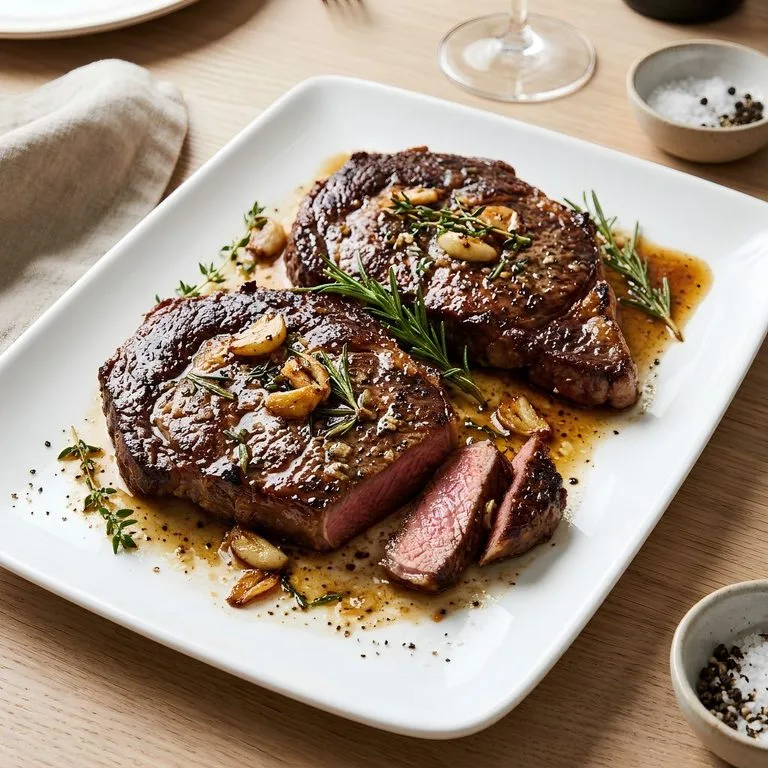
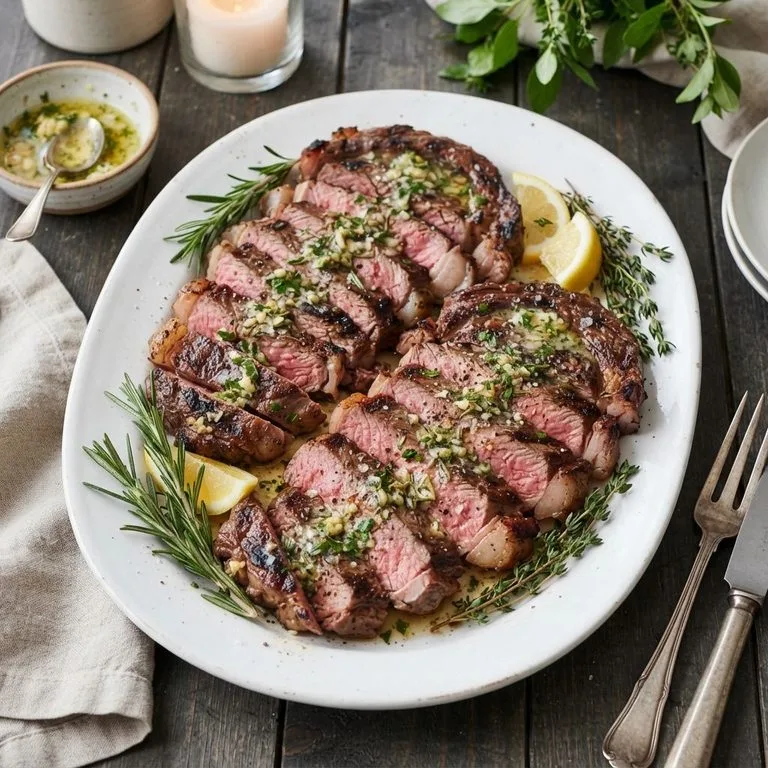
I love making a Cast Iron Ribeye Recipe when I want a steakhouse-quality dinner without leaving my kitchen. After cooking ribeye this way, I discovered how beautifully a hot skillet creates a golden, flavorful crust. I finish the steak with butter, garlic, and fresh rosemary to add a rich aroma and irresistible taste.
The best part is that I only need a handful of simple ingredients and one reliable skillet. Whether I am preparing a special dinner or treating myself to a satisfying weekend meal, this recipe never disappoints.
Cooking Time
This cast iron ribeye steak comes together quickly, making it ideal for busy evenings and special occasions.
- Prep Time: 10 minutes
- Cooking Time: 10–15 minutes
- Total Time: 20–25 minutes
Note: Cooking time depends on steak thickness, starting temperature, and your preferred doneness.
Ingredients for Cast Iron Ribeye Recipe
These ingredients create a tender, juicy ribeye with a beautifully browned crust and rich, savory flavor.
- 2 ribeye steaks (about 1 inch thick, 10–12 ounces each): Choose well-marbled steaks for better flavor and tenderness.
- 1 tablespoon olive oil: Helps the steaks develop an even, golden-brown crust.
- 2 tablespoons unsalted butter: Adds richness and helps baste the steak during cooking.
- 3 garlic cloves, lightly crushed: Infuse the butter with a delicious savory aroma.
- 2 fresh rosemary sprigs: Add an earthy, fragrant flavor that pairs beautifully with beef.
- 1 teaspoon kosher salt, or to taste: Season the meat and enhance its natural flavor.
- ½ teaspoon freshly ground black pepper: Adds gentle heat and a little extra bite.
Note: serves several
This recipe serves 2 generously as a main course, or up to 4 people when paired with hearty side dishes and the steaks are portioned accordingly.
Equipment You Need
Having everything ready before heating the skillet makes cooking easier and helps prevent overcooking.
- Cast iron skillet: Retains heat well and creates a deeply browned steak crust.
- Tongs: Let you turn the steaks safely without piercing the meat.
- Paper towels: Help remove surface moisture for better browning.
- Cutting board: Provides a clean surface for resting and slicing the steaks.
- Instant-read meat thermometer: Helps you check doneness accurately.
- Small spoon: Makes it easy to baste the steaks with garlic-rosemary butter.
- Aluminum foil, optional: Can loosely cover the steaks while they rest if needed.
How to Make a Cast Iron Ribeye Recipe?
I use a simple stovetop method to achieve a rich crust while keeping the center juicy and tender.
The secret is to dry the steaks thoroughly, preheat the skillet properly, and avoid moving the meat too soon.
Follow these steps to make a flavorful ribeye with butter, garlic, and rosemary right at home.
Step 1: Prepare the Ribeye Steaks
Remove the steaks from the refrigerator about 20–30 minutes before cooking, if practical, and pat them thoroughly dry with paper towels. Season both sides evenly with kosher salt and freshly ground black pepper.
Keep the steaks uncovered while you prepare the remaining ingredients. A dry surface is essential for a deep, appetizing crust.
Step 2: Preheat the Cast Iron Skillet
Place your cast iron skillet over medium-high heat and allow it to become thoroughly hot. This usually takes several minutes, depending on the skillet and stove.
Add the olive oil and swirl it around the cooking surface. The oil should shimmer but should not produce excessive smoke.
Step 3: Sear the Steaks
Carefully place the ribeye steaks into the hot skillet, leaving enough space between them for proper browning. Let them sear undisturbed for approximately 3–4 minutes.
Flip the steaks with tongs and sear the other side for another 3–4 minutes. Adjust the timing for thickness and the level of doneness you prefer.
Step 4: Add Butter, Garlic, and Rosemary
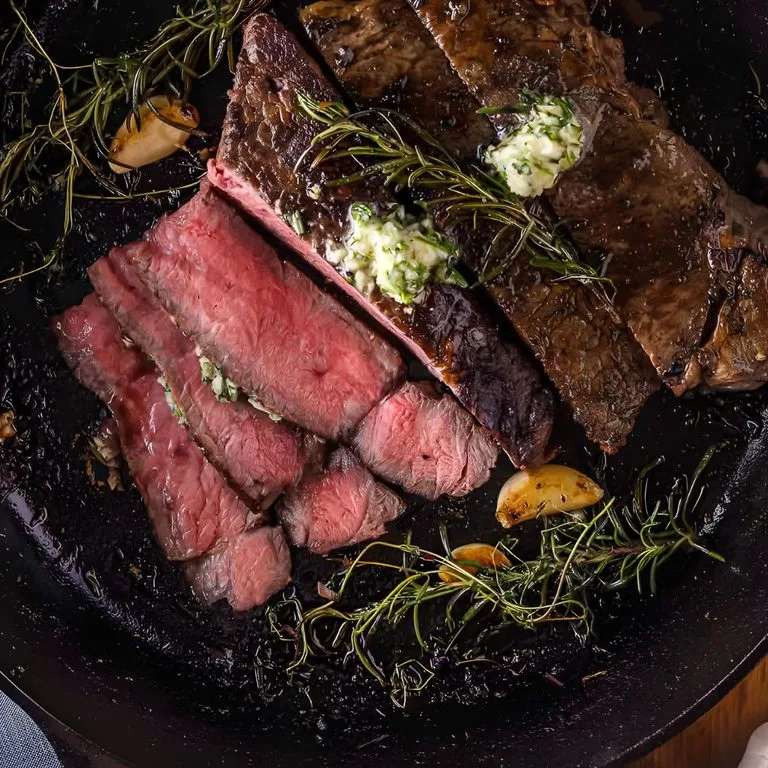
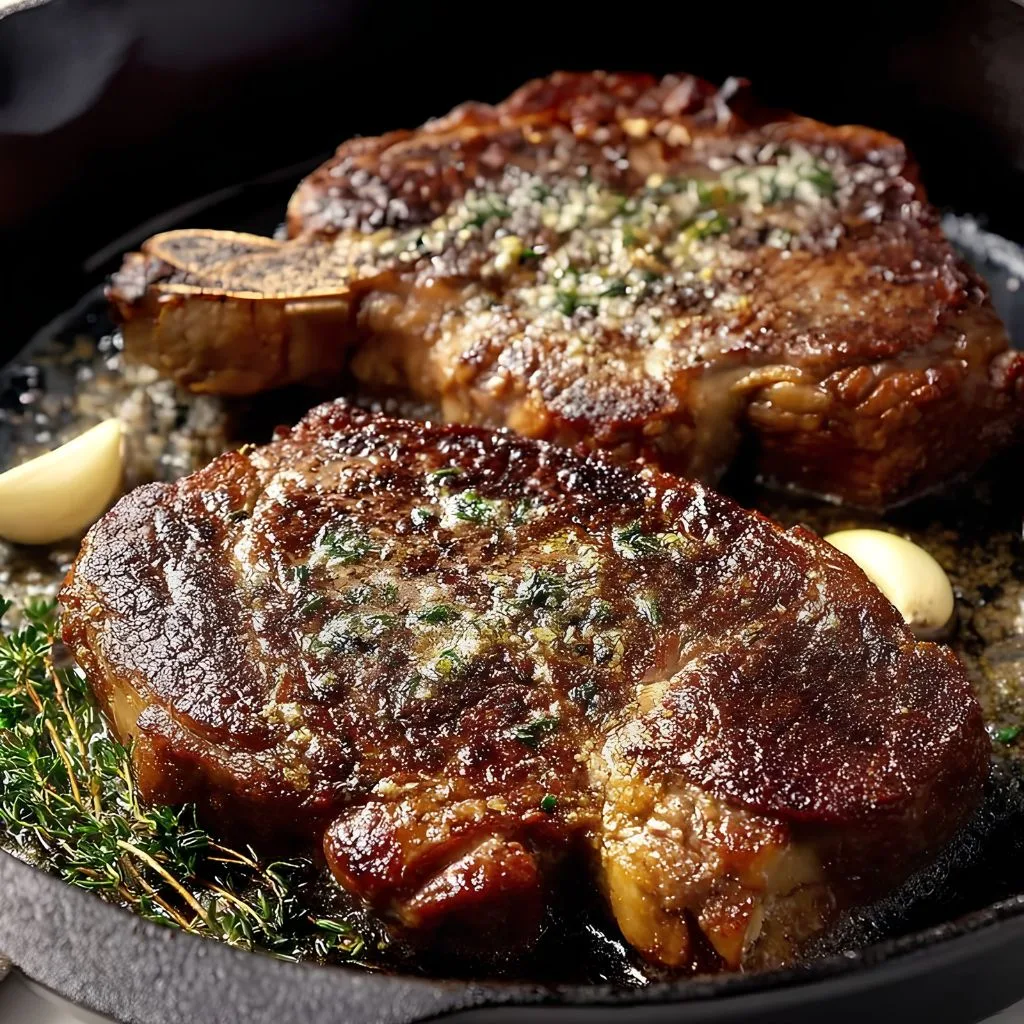
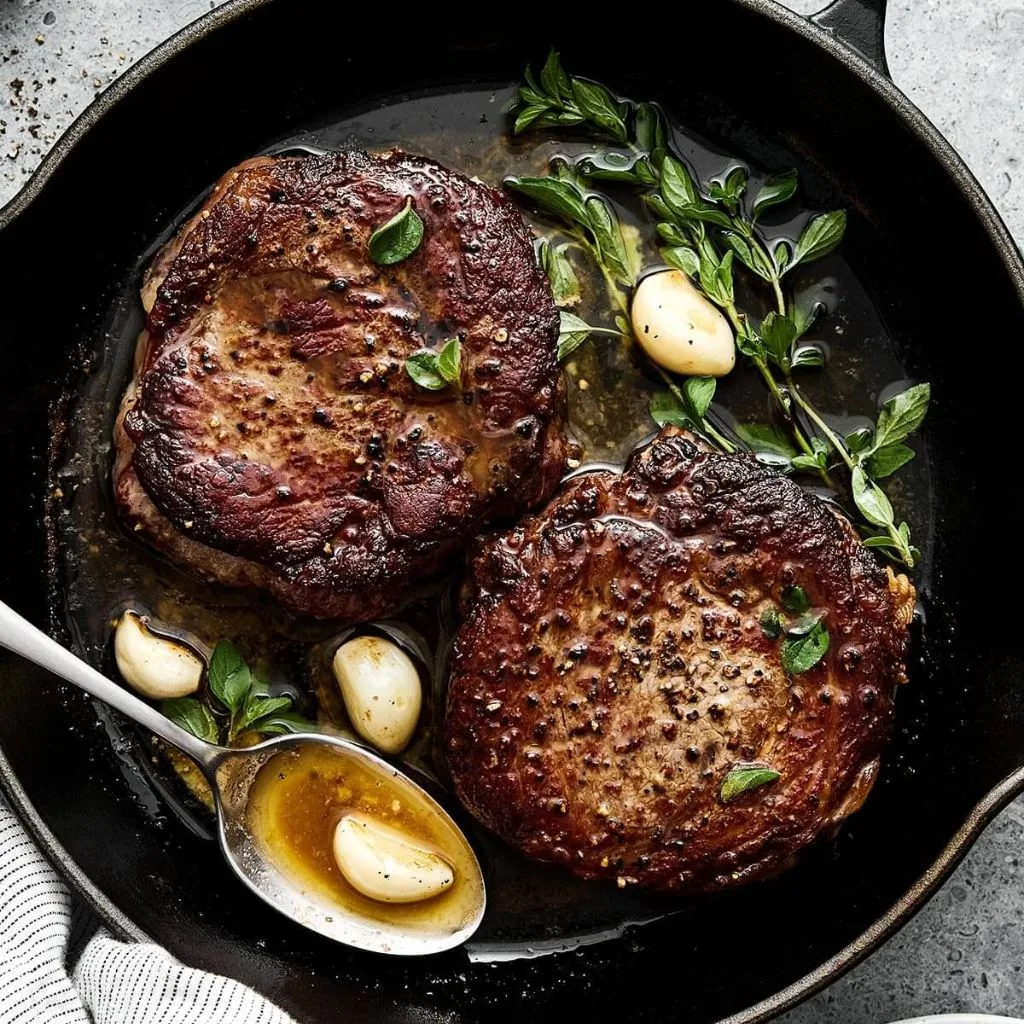
Reduce the heat to medium-low and add the butter, crushed garlic cloves, and rosemary sprigs to the skillet. Allow the butter to melt and become fragrant without letting the garlic burn.
Tilt the skillet slightly and use a spoon to pour the melted butter over the steaks repeatedly. This technique adds flavor and helps the surface remain moist.
Step 5: Check the Internal Temperature
Insert an instant-read thermometer horizontally into the thickest part of each steak, avoiding large pockets of fat. For a medium-rare finish, aim for a final temperature of 130–135°F (54–57°C).
For food safety, the USDA recommends whole beef steaks reach 145°F (63°C), followed by a three-minute rest. Choose your preferred doneness with this safety guidance in mind.
Step 6: Rest and Serve
Transfer the cooked steaks to a cutting board and let them rest for about 5–10 minutes before slicing. Resting gives the juices time to redistribute throughout the meat.
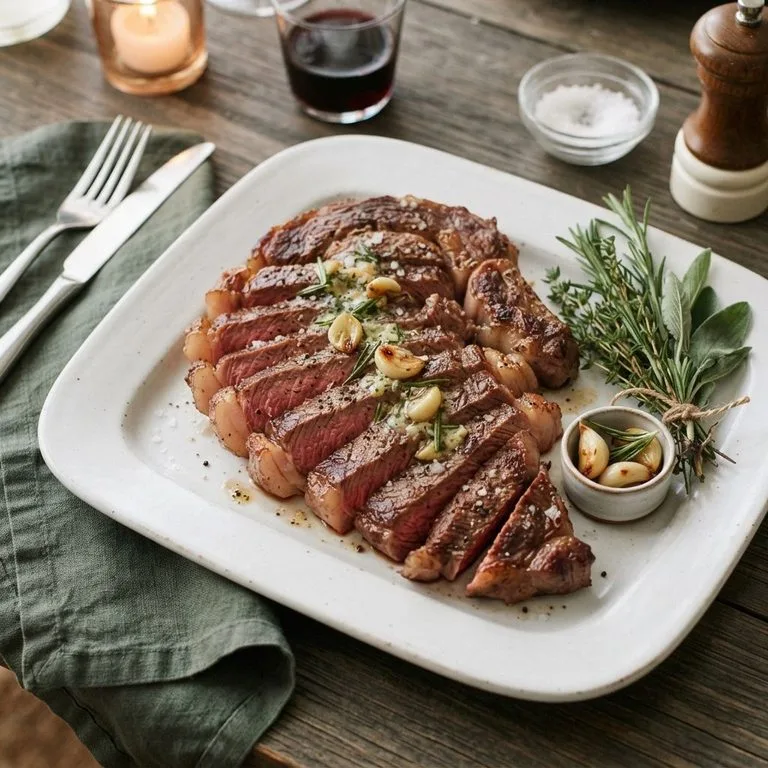
Slice against the grain, spoon a little of the garlic-rosemary butter over the top, and serve immediately. Add your favorite sides for a complete steakhouse-style dinner.
Additional Tips for Making This Recipe Better
After making cast iron ribeye at home, I have found that a few small details make a noticeable difference in the final result.
- I always dry the steaks thoroughly. Excess moisture creates steam instead of the crisp, browned crust I want.
- I let the skillet heat properly before adding the meat. A hot cooking surface helps produce more consistent browning.
- I avoid overcrowding the pan. If I am cooking several steaks, I work in batches to prevent the temperature from dropping too much.
- I add butter toward the end of cooking. This lets me enjoy its rich flavor without burning the milk solids too early.
- I use fresh rosemary and lightly crushed garlic. I find that they give the butter a more aromatic, restaurant-style finish.
- I check the temperature instead of relying entirely on a timer. Steak thickness and stove heat can change cooking times considerably.
- I rest the steak before cutting. This simple step makes serving less messy and helps preserve its juices.
Common Mistakes to Avoid
A few common mistakes can turn an otherwise delicious ribeye into a disappointing meal. These are the things I pay attention to every time.
- Cooking a wet steak: I pat the meat dry before seasoning so it browns instead of steaming.
- Using a cold skillet: I preheat the cast iron thoroughly to encourage a strong crust.
- Burning the butter: I add butter, garlic, and rosemary after the initial sear and lower the heat before basting.
- Overcooking the steak: I use a thermometer and account for the temperature rising slightly while the meat rests.
- Slicing immediately: I give the steak 5–10 minutes to rest before cutting it against the grain.
How to Serve Cast Iron Ribeye Recipe?
A beautifully seared ribeye deserves sides and garnishes that complement its rich, savory flavor. I like to keep the presentation simple so the steak remains the star of the plate.
- Roasted potatoes: Crispy potatoes provide a satisfying contrast to the tender beef.
- Garlic mashed potatoes: Their creamy texture pairs wonderfully with the buttery pan juices.
- Roasted asparagus: Adds freshness, color, and a slightly crisp texture.
- Sautéed mushrooms: Bring extra savory flavor that works naturally with ribeye.
- Fresh green salad: Offers a refreshing balance to the richness of the steak.
- Steamed green beans: Make an easy vegetable side for a balanced dinner.
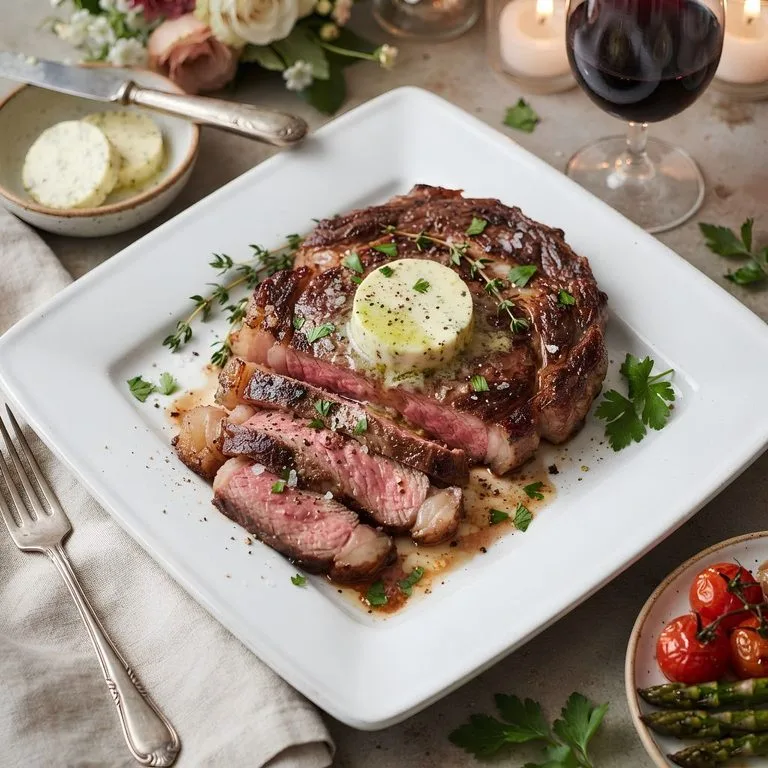
For an attractive presentation, place the whole steak or thick slices on a warm plate. Spoon the garlic-rosemary butter over the meat, add a rosemary sprig, and finish with a small pinch of flaky salt if desired.
Variations
You can easily customize this cast iron ribeye recipe to suit your preferences without losing its classic steakhouse appeal.
- Garlic butter ribeye: Add extra crushed garlic and baste generously during the final minutes.
- Ribeye with rosemary and thyme: Use a combination of fresh herbs for a deeper, more complex aroma.
- Spicy ribeye: Add a small pinch of red pepper flakes or cayenne to the seasoning.
- Smoky steak: Sprinkle a little smoked paprika over the meat before searing.
- Dairy-free ribeye: Replace butter with a suitable dairy-free butter alternative or use additional olive oil.
- Pepper-crusted ribeye: Use coarsely cracked black pepper for a bolder crust.
- Lemon-herb finish: Add a small squeeze of lemon after cooking to brighten the rich beef flavor.
- Oven-finished ribeye: Sear the steak on the stovetop, then transfer the oven-safe skillet to a preheated 400°F (205°C) oven until the desired temperature is reached.
Nutritional Information
The following figures are estimates for one serving when the recipe makes two servings. Actual values depend on steak size, fat content, and how much butter and oil are consumed.
- Calories: Approximately 650–750
- Protein: Approximately 45–55 g
- Carbohydrates: Approximately 1–3 g
- Fat: Approximately 50–60 g
These estimates cover the steak and cooking ingredients, not any side dishes. Ribeye is naturally rich in protein and fat, while the garlic, herbs, and seasonings contribute very few carbohydrates.
Make Ahead and Storage
Ribeye tastes best when cooked just before serving, but you can prepare some ingredients ahead of time to make dinner easier.
Make Ahead
I pat the steaks dry, prepare the garlic and rosemary, and measure the seasonings before cooking. For the best quality and food safety, keep raw steaks refrigerated at 40°F (4°C) or below until you are ready to cook.
Refrigeration
Store leftover cooked ribeye in an airtight container in the refrigerator for 3–4 days. I prefer to keep the steak in larger pieces rather than slicing it all in advance, which helps reduce moisture loss.
Reheating
Reheat the steak gently in a covered skillet over low heat with a small splash of beef broth or water. Warm it only until heated through, using a thermometer to check the temperature; reheated leftovers should reach 165°F (74°C).
Freezing
You can freeze cooked ribeye in an airtight, freezer-safe container or tightly wrapped portions for about 2–3 months for best quality. Thaw it in the refrigerator before reheating, and remember that freezing and reheating may change the texture slightly.
Why You’ll Love This Recipe?
This cast iron ribeye recipe brings together simple preparation, classic ingredients, and a satisfying steakhouse-style result.
- Restaurant-quality flavor at home: I love how the hot skillet creates a browned crust while the butter, garlic, and rosemary add a rich finish.
- Quick preparation: The ingredient list is short, and most of the cooking happens in one pan, making cleanup easier.
- Easy to customize: I can adjust the herbs, seasoning, and sides to create a different meal without changing the basic technique.
- Naturally low in carbohydrates: The main ingredients contain very few carbohydrates, making the steak suitable for many low-carb meal plans.
- Perfect for special occasions: It looks impressive on the plate but is straightforward enough for a relaxed weeknight dinner.
FAQs
Here are answers to common questions about cooking ribeye in a cast iron skillet, choosing doneness, and storing leftovers.
How long to cook ribeye on cast iron for medium rare?
For a 1-inch ribeye, start with approximately 3–4 minutes per side over medium-high heat, then check the internal temperature. Timing varies by pan and steak, so use a thermometer and account for resting and carryover cooking.
How long to cook ribeye steak in cast iron skillet and oven?
Sear a 1-inch steak for about 2–4 minutes per side, then transfer the oven-safe skillet to a preheated 400°F (205°C) oven if needed. Check the temperature after a few minutes and remove the steak when it reaches your chosen target.
How do I cook ribeye steak on the stove without cast iron?
Use a heavy stainless-steel or other sturdy, oven-safe skillet that can retain heat. Preheat it thoroughly, add a little high-heat cooking oil, and follow the same searing and temperature-checking method.
Can I use dried rosemary instead of fresh rosemary?
Yes. Dried rosemary works when fresh herbs are unavailable, but its flavor is more concentrated. Start with a small pinch, crush it lightly between your fingers, and add it sparingly to the butter.
How do I keep leftover ribeye tender when reheating?
I reheat leftover steak slowly in a covered skillet with a little broth or water to reduce moisture loss. Avoid prolonged high heat, which can make the meat tough and dry.