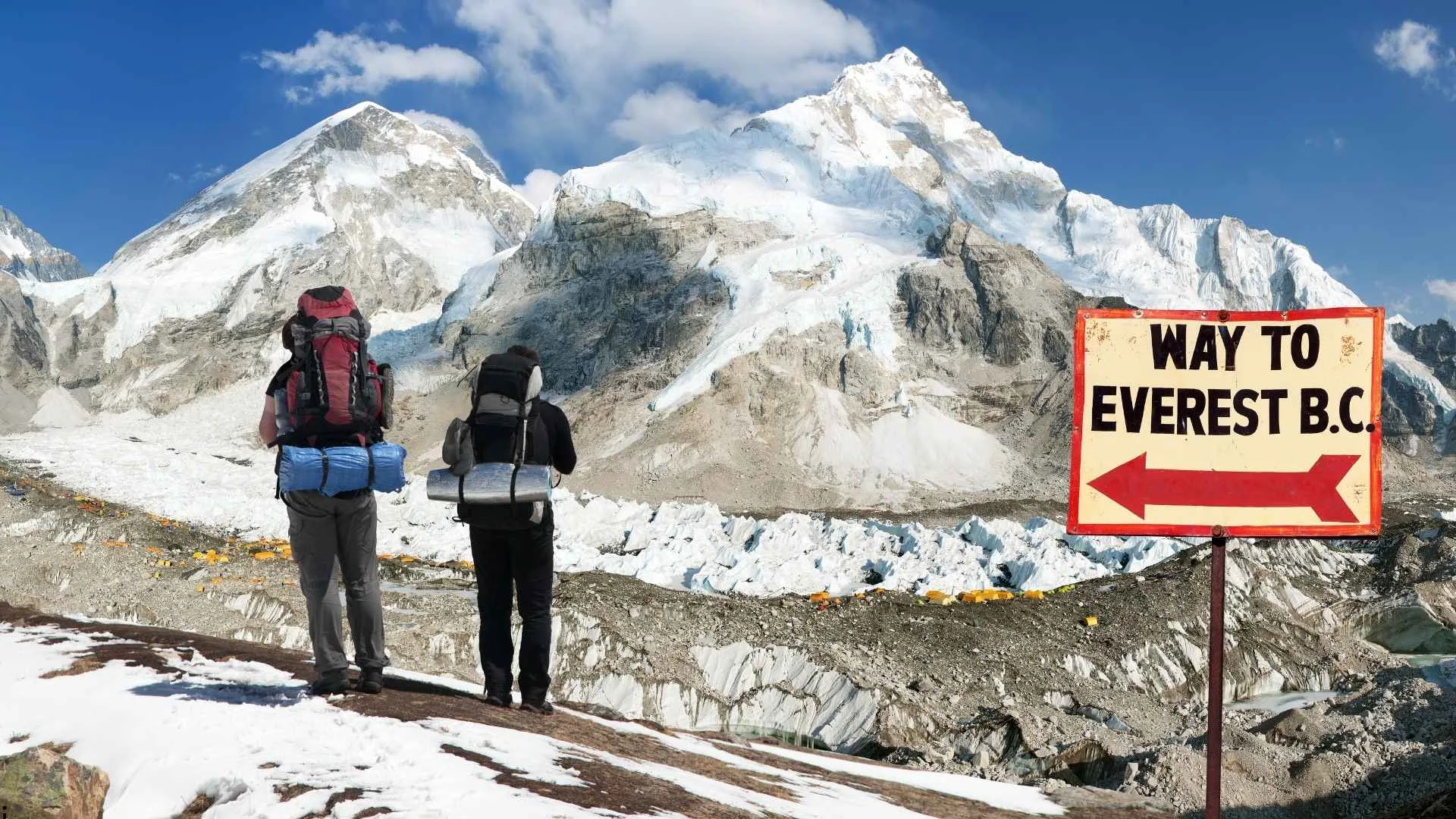
High above, with every breath, the peak changes how you feel. Step after step draws you in—beyond loose stone into sudden tides of emotion. Thinner air arrives. Ideas come more clearly now. Silence weighs more. One sight can freeze your movement entirely. The trail moves slowly. So must your feet. Out of struggle comes a quiet kind of being. Above the chaos, past what feels safe, sharp sight shows up—sudden, without warning.
Progress, slow yet constant, matters far beyond brute strength when staying alive. Up there, where air thins, it is less about gasping and more about carrying the hush that comes close to something vast.
Understand what thin air actually does to you.
Beyond 2,500 meters, every breath pulls in thinner air. Reaching places such as Dingboche or Lobuche along the path to Everest Base Camp means the body begins reacting.
Thin air can cause:
- Shortness of breath during simple walking
- These days, thoughts move more slowly. Yet distractions grab hold faster than they used to
- Now and again, someone feels a throb behind the eyes.
- Dizziness tags along sometimes
- Resting pulse climbs without warning.
- Stillness offers no slowdown.
- The beat races despite calm surroundings.
- Without effort, the rhythm pushes ahead.
- Quiet moments carry a quicker tempo
- Gasping for air does not mean you are broken.
- This is your body working as it should.
- Progress comes through pushing, quietly, over time.
- Results appear when least expected.
Out there, high in the peaks of Sagarmtha National Park, ease won’t find you—your body adjusts on its own. With each breath, air thins as the ground steers your stride. When motion fades, silence arrives. The rough edges soften over time. Morning chill etches stillness deep inside. Still, life finds its way through narrow openings in rock. Around what stands before you, you shape your path.
Step lightly, because every motion demands some energy.
Though small, each movement adds up. Like ripples in water, effort spreads through your body. Even tiny pushes take fuel. What seems effortless still draws from somewhere deep. So glide instead of grind. Save strength by noticing how you shift weight. Every inch forward has a cost.
High up, most climbers rush forward as if sea level still backs their pace. Yet every hurried step above base camp burns fuel faster than needed.
A better approach:
- Take short, consistent steps
- Avoid sudden bursts of speed
- Breathe in time with how you move
- Take a breath just when things start pushing.
- Hesitate once pressure begins building.
- Wait until tension shows its face.
- Stop right before urgency knocks.
Everest Base Camp Trek From Lukla on up, fast never wins. Steady steps beat a quick start every time. Those who last are the ones moving without stopping. Patience gets further than speed ever could.
Some mornings, high up, just set tomorrow in motion.
Jumping forward ruins the rhythm that builds slowly. Moving on does not mean rushing through everything. How fast you go changes how it feels to keep going. Believing in the path shows when you stand still without stepping back.
Rest days? Not just pauses people ignore. When air thins, adapting saves breath—keeping blood moving where every molecule counts.
Pausing in places like Namche Bazaar or Dingboche gives your body a chance to adapt gradually. Skip these stops, and risks grow even as enjoyment drops off. Push too fast, and what you lose isn’t just hours—it’s something deeper.
During acclimatization:
- Walk light once daylight arrives
- Start upward, then ease into a lower position. After that shift beneath, where sleep begins once more
- Hydrate more than you think necessary
- Avoid overexertion “just to stay in shape.”
Strength isn’t about being built tough—it’s learning how to handle repeated strain. While fitness slips away quietly, stamina holds on tight. Effort increases now, but progress still vanishes quickly. The power sensed today tends to break by morning. A heavy load lingers, even when energy runs out. Progress sneaks off while tiredness sticks around.
Manage emotional intensity instead of ignoring it.
Out here near Everest Base Camp, moods change before you notice. One second stills the next like a held breath. The landscape empties the mind without asking. Fatigue moves alongside alertness, shifting step by step.
This emotional intensity is common because:
- Oxygen levels affect mental regulation
- Physical fatigue lowers emotional resistance
- Out here by Everest, breath stops before the mind catches up.
- The scale sneaks in quietly, then fills every corner of sight.
- Few peaks have that effect.
Breathing into it helps instead of closing off, keeping calm while making room. The heavier it gets, slowing down, find a seat, allowing it now to carry you. Moments stack? Stop more times; just sit with what’s there. Fighting through rough insides isn’t the only way—stillness does its part.
Hydration is not optional—it is survival support
Under cold, dry skies, moisture escapes before you notice. Though thirst stays hidden, each breath drains it further—motion only speeds the leak.
On the trek:
- Drink regularly, not occasionally
- Warm liquids often perform more effectively than chilled ones
- Avoid relying only on hunger cues for hydration
Low water levels can sharpen altitude woes—sudden moods creep in alongside. Stay full on liquids, because clarity of mind and smooth motion lean on that supply. With fluid held constant, a wobbly brain gains grip.
Eat even when your appetite drops.
Up high, hunger often slips away. When climbing steep trails, that quiet stomach could spell trouble. Energy burns quickly—even if eating seems pointless. The urge to eat vanishes; the need never does.
To manage this:
- Eat small, frequent meals
- Choose high-energy foods when possible
- Hunger might not knock, yet meals should still arrive.
- Timing matters more than a growling stomach.
- Stick to the clock instead of waiting.
- Fullness comes later, but routine keeps energy steady.
- Missing bites shift balance.
- Plan plates before cravings appear
Prioritize carbohydrates for sustained energy
Up top near Sagarmatha, wood fires spark before anything else in the little tea huts along the path. Hot food shows up fast here, bringing strength more than just cozy moments on icy rocks. These shelters cook with purpose, though hands still pass bowls gently between climbers and keepers. Shared plates sit heavy with meaning even when words stay light.
Moving slower might matter more than rushing ahead. A break often brings clearer thoughts than constant effort. Ending something can define your path just like beginning one. Your exits speak just as loudly as your entries.
Thinking gets foggy up high. Knowing when to pause means more than pressing on. Stopping helps clear the mind before it dulls further. Pushing through might blur judgment instead of sharpening it.
Warning signs include:
- Persistent headache that worsens with activity
- Fatigue shows up in a new way now compared to recent times
- Dizziness when standing or walking
- Loss of coordination or confusion
- Skipping these could cost you.
- Hitting stop doesn’t mean quitting—sometimes that move is the only way forward.
On their feet, those summits—Everest included—aren’t moving. Safety shapes how far in you’ll go.
Handle emotional highs with grounding habits.
Up high near Everest Base Camp, moods shift fast. Some travelers get a rush that lifts them clear. A few buckle under pressure, though most hold both delight and tension in step. Thin air brings heavier hearts.
Simple grounding techniques help:
- Focus on breath rhythm during walking
- Notice physical sensations (feet, wind, temperature)
- Take a breath, then look around—notice where you stand.
- Let your eyes settle on what’s near and adjust to the space unfolding ahead.
- See the lay of the land before moving on
- Avoid rushing toward the next milestone emotionally
Most of the time, balance comes from keeping focus narrow instead of stretched wide. A single point holds more strength than scattered edges.
Accept that discomfort and beauty coexist.
Something catches your eye down here—two feelings at once, discomfort sharing space with wonder. The world unfolds its biggest sights right when muscles start to drag. Forward motion happens anyway.
- Near Everest Base Camp, the contrast never fades
- Cold air and breathtaking views
- Heavy breathing and silent valleys
- Physical strain and emotional awe
- Time moves without pause—allow each part to follow naturally.
Final thought
High above, air changes the way thinking works—pace shapes clarity better than force. Slowness teaches what power cannot say. With every inhale, control proves stronger than speed. Stillness speaks loudest between movements. Progress hides inside patience, never noise. Smooth motion wins where haste would fail.
High up on Everest’s trail inside Sagarmatha National Park, a truth becomes clear—pace means little now. What counts is simply arriving. As oxygen drops, thinking drags, yet attention tightens. Near where trees stop growing, hurry makes no sense. Here’s what matters: showing up, completely, right where you are. Up high, everything else fades out. All that stays is air moving in, earth below, in this instant.
Footsteps ease into the ground, shifting sensation with each one. Air reshapes itself when breath is noticed. Meals linger longer when swallowed slowly. Emotions rise—no push needed to move them along. What was once a trail now walks back toward you.