Planning a trip around a world-famous festival is a brilliant way to dive straight into a new culture. Instead of just looking at famous landmarks, you get swept up in the excitement, witness local traditions in full swing, and join in celebrations that stick with you—because let’s face it, joining a colour fight or grabbing mulled wine at a Christmas market beats staring at guidebooks any day.
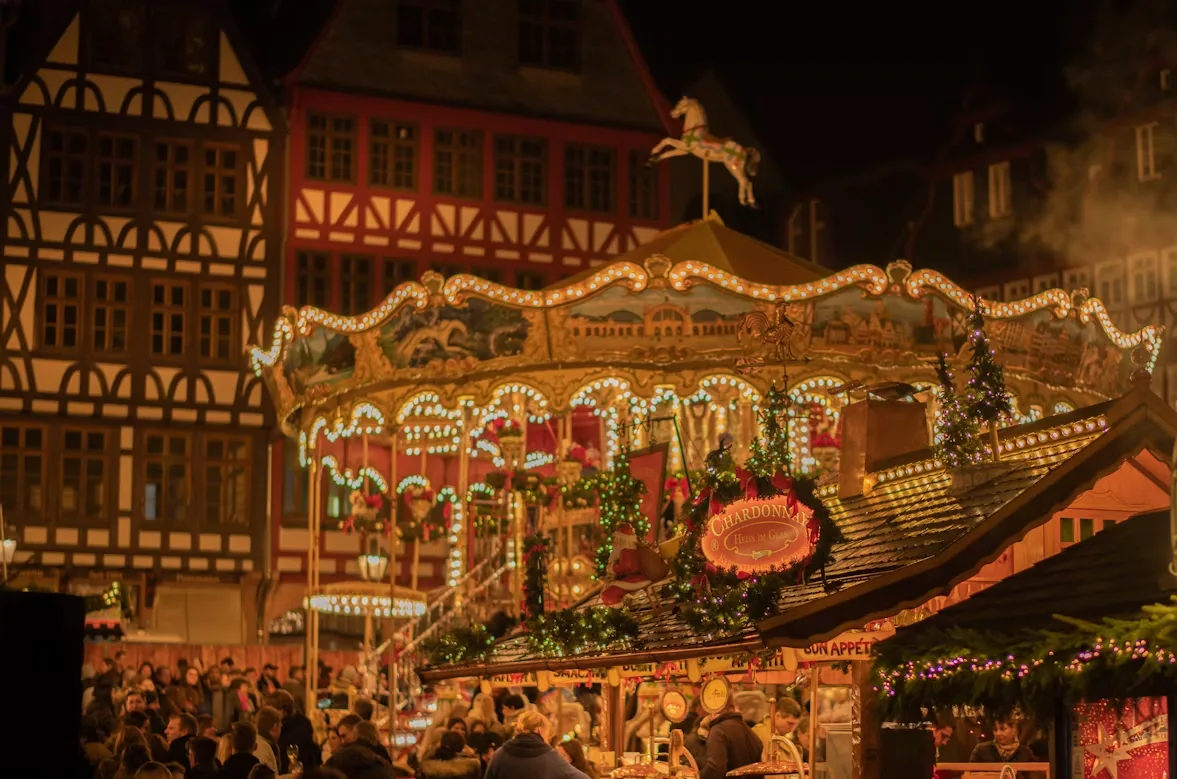
Think about Holi in India, with its wild bursts of colour and contagious laughter, or the twinkling lights and cosy food stalls of German Christmas markets. These aren’t your average sightseeing stops; they’re a chance to mingle with locals, sample street food, and see what really brings a community together.
Timing your holiday with a festival means you’re in for stories, surprises, and possibly glitter you’ll still be discovering weeks later. The energy of these moments turns an ordinary holiday into something unforgettable, giving you a real sense of what makes each place tick.
Popular World-Famous Festivals
Holi in India is legendary for its explosion of colours and infectious energy. This Festival of Colours signals the start of spring and celebrates the triumph of good over evil. The streets become a canvas, with locals and travellers alike flinging coloured powder, dancing, and sharing laughter. There’s no tiptoeing around—embrace the chaos and you’re guaranteed to leave with stories (and stained clothes) to take home. As a bonus, joining Holi often means exploring India’s famous Golden Triangle, with highlights like the Taj Mahal and grand old forts along the way.
Oktoberfest in Munich is a bucket-list staple for anyone who likes their culture served with hearty food, rousing tunes, and world-class beer. Over 16 lively days, huge crowds gather under decorative tents to clink steins, sing along to oompah bands (badly, if you like), and tuck into German classics. It’s welcoming and loud, where strangers at your table quickly become festival friends.
Meanwhile, St. Patrick’s Day in Dublin covers the capital in green and keeps the party going across pubs, streets, and parks. Think parades, traditional music, and huge crowds joining together for an all-out celebration of Irish pride. It’s a once-in-a-lifetime chance to join locals for a knees-up that lasts long after the parade confetti has settled.
Away from the usual tourist trail, you’ll find powerful festivities like the Voodoo Festival in Benin and the Gerewol Festival in Chad, which offer a more genuine take on cultural tradition. Benin’s Voodoo Festival is full of music, dancing, and rich rituals, welcoming followers and the simply curious for an insight into spiritual life that remains vital to many locals. The Gerewol Festival in Chad is quite unlike anything else, where Wodaabe men prepare for elaborate dance competitions by painting their faces and donning vibrant attire to impress potential partners. For those looking beyond the famous street parties, these festivals shine a spotlight on cultural variety and lively human traditions across the globe.
Deciding When and Where to Travel
Choosing which festival to attend is all about what excites you most, whether it’s ancient rituals, sports with a twist, or lively music and dance. Festivals open a window into a country’s traditions, from the spiritual spectacle of the Voodoo Festival in Benin to the stunning face paints and swirling dances of Chad’s Gerewol Festival. Here, you’re not just a bystander—you get swept up in the energy, discovering firsthand what makes these cultures tick.
If you really want to make the most of your adventure—especially somewhere off the beaten track—mixing festival visits with a broader tour comes highly recommended. Many famous festivals aren’t exactly around the corner. In Mongolia, for instance, reaching the captivating Eagle Festivals takes serious planning, so organised tours become your best friend. You’ll be grateful for someone else sorting out accommodation, transport, and those tricky language gaps. Plus, a local guide helps you get under the skin of each event, making sense of all the action.
In places like Bhutan, a festival tour brings colourful Tshechus and graceful masked dances into your wider travel plans, while giving you a taste of lush landscapes and peaceful monasteries. By pairing a festival visit with a bigger journey, you get both deeper cultural understanding and practical ease—so every trip is packed with moments you’ll talk about long after you’re home.
The Value of Organised Tours
Let’s face it, reaching many global festivals is half the adventure, especially when you’re dealing with unusual locations, language differences, and limited places to stay. Travel companies running organised tours take the stress out of this: they sort out essentials like entry tickets and a bed to sleep in, often long before they sell out. That means you can relax and soak up the excitement, rather than queuing at a local ticket counter (or trying to mime “hotel” in a small village).
A local guide is key to getting the most from the experience. Sure, you could watch the spectacle, but you’re bound to miss out on the meaning behind those colourful rituals unless someone’s there to explain. Organised tours make sure you get the full story, with guides who can fill you in on traditions and point out details you might otherwise overlook.
Take the Gerewol Festival in Chad, for example. If you showed up on your own, the dazzling dances and elaborate costumes might just seem like a party. But with someone in the know, you’ll discover the real story: it’s all about courtship, cultural pride, and community bonds. These insights turn a fun visit into a genuine highlight of your travels. So, organised tours don’t just make things easier—they make every moment far richer, deeper, and definitely more memorable.
Tips for Festival Travel Planning
Packing smart makes festival travel a lot more fun. If you’re heading to Holi in India, bring loose-fitting, comfortable clothes—ideally plain white gear you aren’t too attached to, since you’ll come out looking like a walking rainbow. Don’t forget sunglasses or goggles to keep coloured powders (and water) out of your eyes, and stash your phone and cash in a waterproof pouch.
Christmas markets in Germany are all about getting cosy, so think warm jumpers, snug coats, and a reusable cup if you want to sip mulled wine as you stroll. At any busy festival, it’s wise to wear sturdy shoes rather than sandals—packed streets can be lively and muddy, and your toes will thank you later.
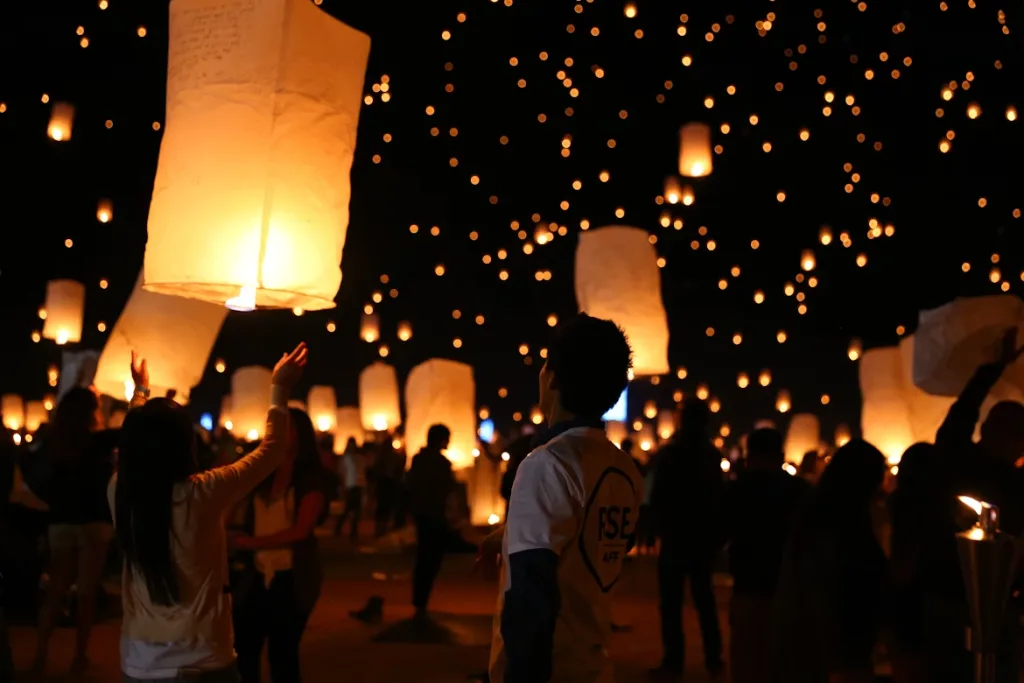
Securing accommodation and tickets ahead of time is a must for high-profile festivals like Oktoberfest or the Lantern Festival in Thailand. Places fill up fast and prices can shoot up as the dates get closer. Booking early saves you from missing out or paying over the odds.
With your spot sorted, you’ll have more freedom to plan side trips and experiences around the festival. Some tour companies bundle in tickets and somewhere to stay, making things a lot simpler if you’re travelling from abroad or don’t want to deal with the logistics yourself.
Experiencing Festivals Sustainably
Respecting local customs and being sensitive to the culture around you is essential when joining festivals in faraway places. These gatherings are more than just big parties; they’re full of meaning for the people who live there, and you’re their guest for the day (or week). It’s worth doing your homework before you go, so you really understand and value what’s happening around you. Showing interest and paying attention isn’t just polite—it actually makes your experience far more memorable.
Take Bhutan’s Tshechus for example. If you know what the spiritual cham dances mean, you’ll see the deeper side of the festival and enjoy it much more. In Benin, the Voodoo Festival includes rituals such as animal sacrifices, which are a key part of local religion. It’s important to witness respectfully and avoid passing judgment that comes from outside the culture.
Thinking sustainably for festival travel is not complicated, but it does need mindful decisions. Catching a train or sharing lifts gets you there with less environmental damage than flying solo. Once you’ve arrived, eating at small local restaurants or staying with local families helps spread the benefit of tourism where it’s needed.
Every small step counts: refill your water bottle instead of buying more plastic, pick up your rubbish, and choose activities that don’t leave a heavy mark on the location. These habits don’t just help the planet—they make you the kind of visitor locals are actually happy to see. In the process, you build a friendlier, fairer exchange between travellers and festival hosts.
Why Festival Travel is Unparalleled
Festival travel isn’t just about ticking boxes on a map. It throws you right into the centre of local life, where you can swap small talk with new friends and catch age-old traditions in full swing. Every festival has its own flair, with spiritual rituals, rowdy parades, and community parties offering more than just spectacle—they give you a proper feel of what matters to different communities.
Imagine swapping tourist snaps for colourful face paint at the Gerewol Festival in Chad or dancing through clouds of powder at Holi in India. These aren’t passive experiences; you get caught up in the moment, sharing laughter, trying unfamiliar foods, and sometimes having your world view gently nudged sideways.
The real magic of festival travel is this deeper connection. Exploring these unique travel experiences means that instead of standing on the sidelines, you’re swept along by the crowd and welcomed into the fun, whether it’s Bhutan’s mystical Tshechus or Benin’s lively Voodoo Festival. These shared moments often become the highlights of any trip—and just quietly, you’ll likely remember them long after you’ve forgotten the guidebook facts.