Best Prime Rib Roast Recipe Ever: Juicy, Garlic & Herb Perfection

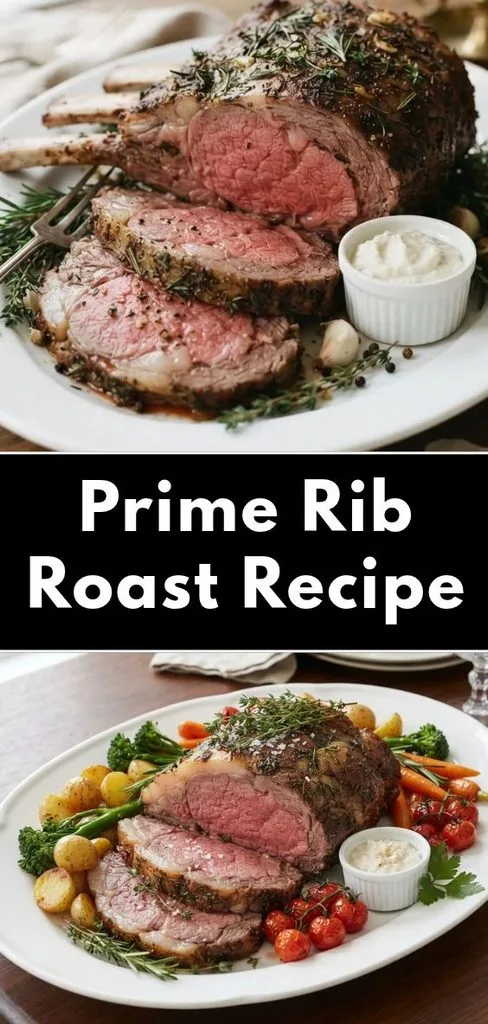
I made this Prime Rib Roast Recipe for a holiday dinner, and I still think about how juicy it was. I felt nervous at first because this cut is pricey, and I did not want to ruin it. Then I learned the method is simple: a garlic-herb rub, a hot start, and a gentle finish.
That quick blast of heat gave me a crisp, savory crust and a rosy center. Now it is my go-to for big gatherings, and I am sharing every detail with you here.
Cooking Time
Plan your timeline before you start, so dinner lands on the table right on schedule.
- Prep Time: 10 minutes
- Cooking Time: 1 hour 45 minutes
- Total Time: 1 hour 55 minutes
I also let the roast sit out for about an hour before cooking and rest it after roasting. Keep those windows in mind when you plan your day.
Ingredients
This is a short list, so every item matters. Here is what you need and why.
- 5 pounds beef prime rib roast, bone-in or boneless: Bone-in has more flavor, and a bigger roast needs a doubled rub.
- Sea salt, plus 1½ teaspoons for the rub: Seasons deeply and helps build that browned crust.
- 2 teaspoons freshly ground black pepper: Fresh grinding gives a bolder bite than the pre-ground kind.
- 2 teaspoons fresh rosemary, finely chopped: Adds a piney, classic roast aroma, so skip the dried stuff.
- 1 teaspoon fresh thyme leaves: Brings earthy notes that balance the rosemary.
- 8 cloves garlic, minced: Gives the crust its savory punch.
- ¼ cup olive oil: Turns the herbs into a paste that clings and browns.
- Horseradish, for serving (optional): Cuts through the richness of the beef.
Note: serves several (about 10 people)
Equipment You Need
You probably own most of these already. A good thermometer is the one tool I would not skip.
- Roasting pan or cast iron skillet: Holds the roast and catches the flavorful drippings.
- Wire rack: Lifts a boneless roast so heat circles it evenly.
- Meat thermometer: Tells you the exact doneness, so you never guess.
- Kitchen twine: Keeps the bones tied to the roast, or holds a boneless roast in shape.
- Small mixing bowl: Used to stir the herb rub together.
- Paper towels: Pat the meat dry so the rub sticks.
- Plastic wrap: Loosely covers the roast while it warms up.
- Aluminum foil: Tents the roast while it rests.
- Carving knife and cutting board: Make clean, even slices.
How to Make a Prime Rib Roast Recipe?
This method is easy to follow, even if you have never cooked a roast like this. You will season well, start hot, then finish low and slow. Follow the steps in order and trust your thermometer.
Bring the Roast to Room Temperature
Take the roast out of the fridge about one hour before cooking. Sprinkle it with salt and cover it loosely with plastic wrap. A roast that is not ice cold cooks more evenly, and I now give mine even longer if I can.
Heat the Oven and Set the Rack
Move your oven rack down so the roast cooks in the center of the oven. Preheat the oven to 500°F. Let it get fully hot, because that first blast is what builds the crust.
Mix the Garlic-Herb Rub
In a small bowl, stir together the salt, pepper, rosemary, thyme, garlic, and olive oil. Mix until it looks like a thick, fragrant paste. The smell alone will make everyone in the kitchen hungry.
Pat Dry and Season the Roast
Pat the roast with paper towels so the seasoning grips the surface. Spoon the rub over the meat and massage it onto every side. Set a bone-in roast in the pan with the bones down, or place a boneless roast on a rack.
Roast Hot, Then Turn It Down
Slide the pan into the 500°F oven and roast for 15 minutes. Then reduce the heat to 325°F. This is the famous prime rib 500 rule in action: a short, hot sear first, then a gentle roast to finish.
Check the Temperature
Use a meat thermometer and watch the numbers, not the clock. Pull the roast about 5 to 10 degrees before your goal, because it keeps cooking as it rests. Here is your guide:
Rare is 120°F, or about 10 to 12 minutes per pound. Medium rare is 130°F, or about 13 to 14 minutes per pound. Medium is 140°F, or about 14 to 15 minutes per pound. Medium well is 150°F.
Rest the Roast
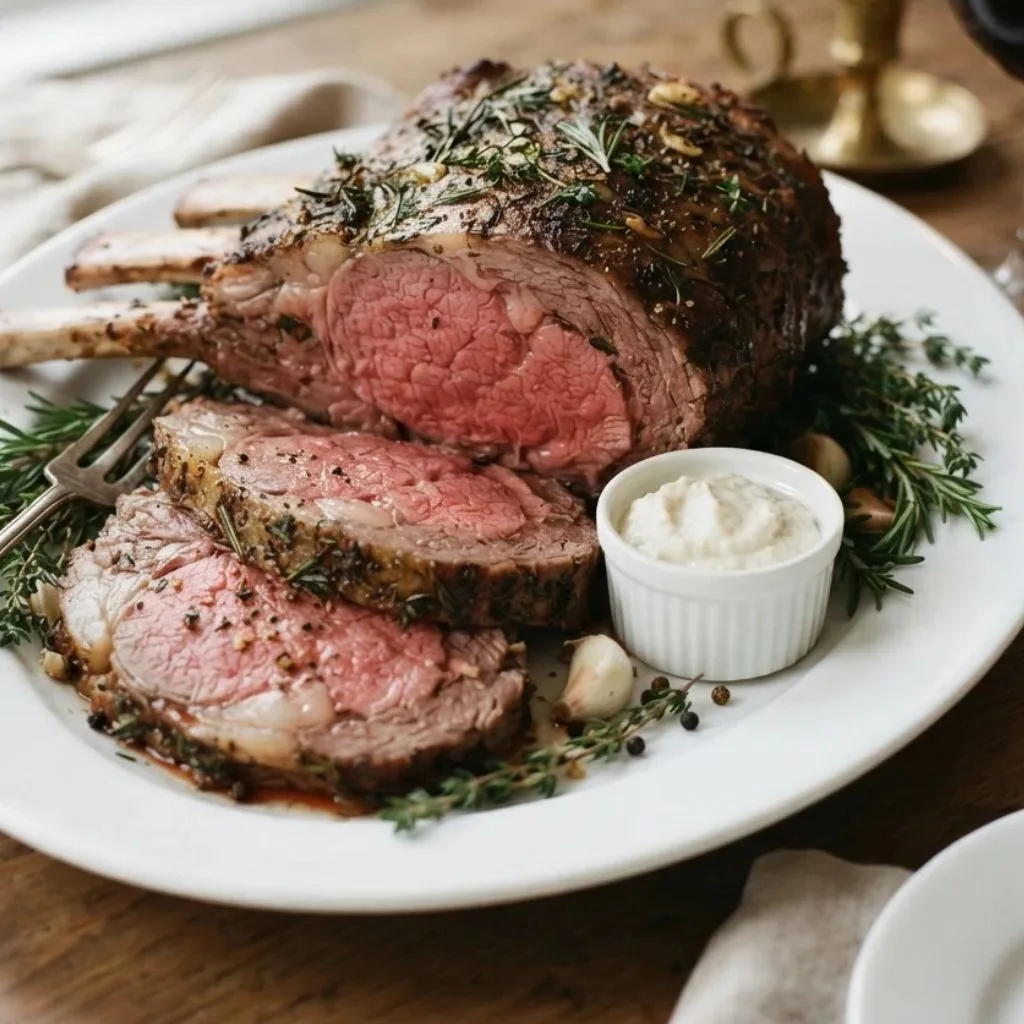
Move the roast out of the oven and tent it with foil. Let it rest for 30 minutes before you slice. I use that time to finish my side dishes, and the juices settle back into the meat.
Carve and Serve
Snip the twine and lift off the bones if you left them attached. Slice against the grain into pieces about ½ inch thick. Serve right away with horseradish on the side.
Additional Tips for Making This Recipe Better
These are the lessons I learned the hard way, so you can skip the guesswork.
- I always use a thermometer. A probe that stays in the roast is great, but an instant-read one works too.
- I take the roast out early. It climbs another 5 to 10 degrees while resting, and I can always cook it longer.
- I give the roast extra time on the counter. Some readers found one hour was too short, and I agree a longer rest helps.
- I ask my butcher to cut the bones off and tie them back on. I get the flavor of bone-in and easy carving.
- I double the rub when my roast is bigger than 5 pounds. I want every inch of the crust seasoned.
- I slice against the grain every time. It makes each bite far more tender.
Common Mistakes to Avoid
Prime rib is a splurge, so I want you to avoid these slip-ups.
- Skipping the thermometer: I once trusted the clock and got unevenly cooked slices. Now I always check the internal temperature.
- Cooking straight from the fridge: My first roast had a chilly center. I now let it warm up well before it goes in.
- Overcooking: I forgot about carryover heat once and ended up with gray meat. Pull it 5 to 10 degrees early.
- Cutting too soon: I sliced into a roast right away, and the juices ran everywhere. Let it rest the full 30 minutes.
- Slicing with the grain: I made this error once, and the meat turned chewy. Cut across the lines instead.
How to Serve Prime Rib Roast?
A beautiful roast deserves a beautiful plate, and the good news is that it takes very little effort.
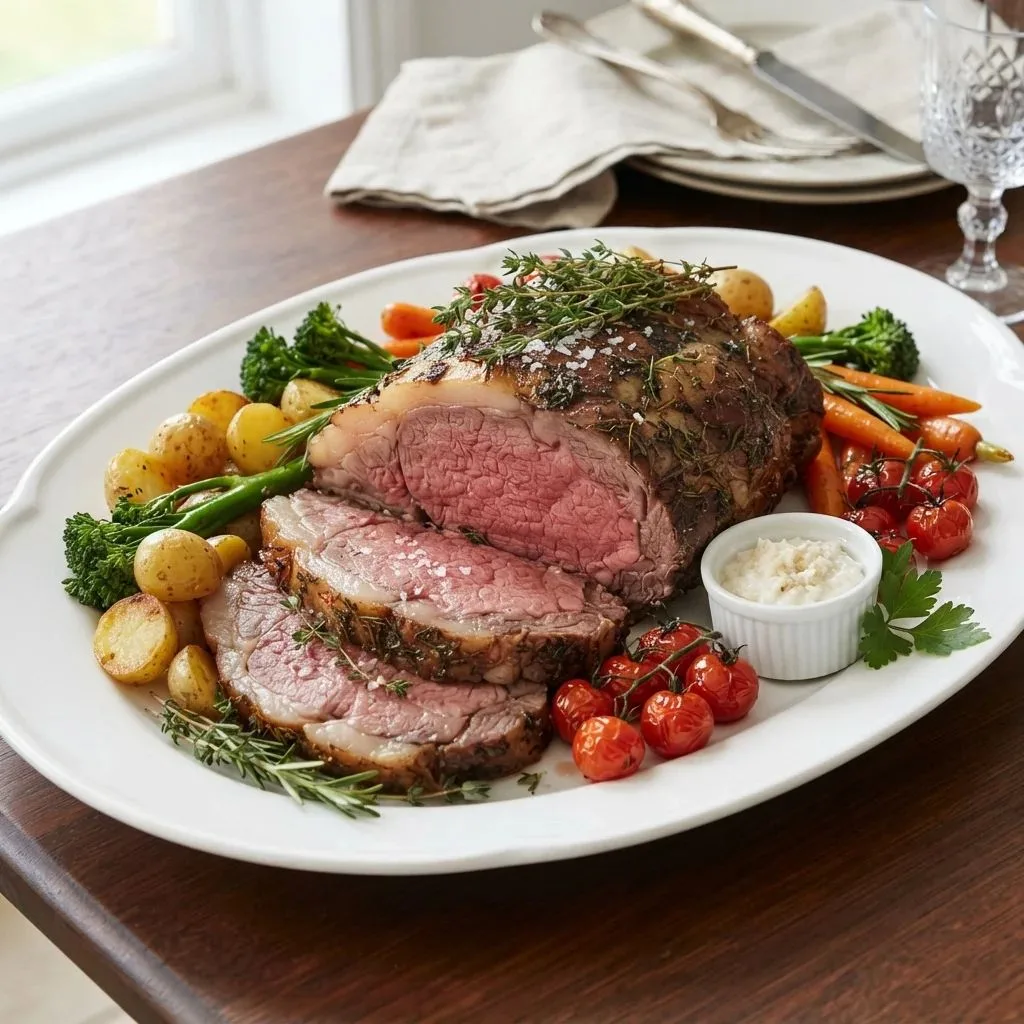
- Slice the roast at the table or on a board. Fan the slices out so everyone can see the pink center.
- Spoon a little of the pan juices over the meat for extra shine and flavor.
- Serve horseradish in a small bowl on the side. It is the classic partner for horseradish sauce lovers.
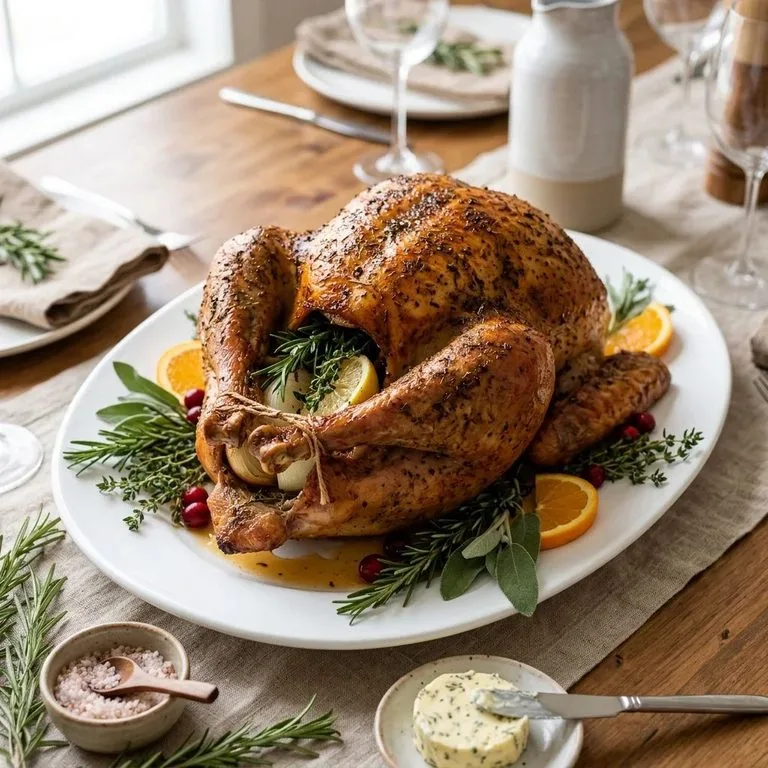
- Garnish the platter with fresh rosemary and thyme sprigs. They echo the herbs in the crust.
- Pair it with creamy mashed potatoes, a crisp wedge salad, and warm homemade rolls.
- Use the pan drippings to make a quick gravy if you like.
Variations
Want to switch things up? These easy changes keep the roast just as special.
- Boneless roast: Set it on a wire rack inside the pan. It cooks well and carves easily.
- Bone-in roast, bones attached: Skip the rack, since the bones act as a natural one. Add a little extra cooking time.
- Bigger roast: Double the herbs, garlic, pepper, and oil so the whole surface is covered.
- Extra garlicky: Add a few more cloves to the rub if you love bold flavor.
- Different doneness: Pull the roast at 120°F for rare or 140°F for medium. Adjust to your guests.
- Sauce on the side: Serve horseradish sauce, or use the pan juices for a simple gravy.
Nutritional Information
Here is the approximate nutrition for one serving. These numbers are estimates, so use them as a guide.
- Calories: 729 kcal
- Protein: 31 g
- Carbohydrates: 1 g
- Fat: 66 g
Make Ahead and Storage
Prime rib tastes best fresh, but leftovers are a gift. Here is how I handle them.
Make Ahead: You can mix the herb rub a day early and keep it covered in the fridge. Season the roast just before it goes in the oven, so the surface stays fresh. This makes dinner day much calmer.
Refrigerator: Wrap leftover slices tightly or place them in an airtight container. Keep them in the fridge and plan to eat them within a few days. Cold slices also make a wonderful sandwich.
Reheating: Warm the slices gently in a low oven, or in a skillet with a splash of pan juices. Low heat keeps the meat tender. Avoid high heat, since it can dry the beef out.
Freezing: Wrap the cooled meat well in freezer-safe packaging and freeze it. Thaw it in the fridge before reheating. I like to freeze it in small portions for quick meals.
Why You’ll Love This Recipe?
Here are the reasons this simple rib roast recipe has become a favorite at my table.
- It is easy: Prime rib can feel scary, but this recipe uses simple ingredients and clear steps. Even a beginner can get a great result. I did, on my very first try.
- It saves money: Making prime rib at home costs far less than ordering it at a restaurant. You pick the size and the quality. Many shoppers find good prices at warehouse stores.
- The flavor is unreal: The garlic and herb crust tastes bold and savory. The center stays tender and rosy. Every slice feels special.
- It is flexible: You can use bone-in or boneless meat and choose your own doneness. You can also scale the rub up for a bigger roast. It fits any crowd.
- It looks impressive: The golden crust and pink center wow guests. Yet the work is mostly hands-off. You get the praise without the stress.
FAQs
How much prime rib do I need per person?
Plan on about one pound per person. If you are serving lots of side dishes, ½ to ¾ pound each is enough. A bone-in roast feeds roughly two people per bone.
Should I choose bone-in or boneless?
Bone-in usually has more flavor, but boneless works great too. I like asking the butcher to remove the bones and tie them back on. You get flavor and easy carving.
How do I cook a small prime rib roast?
Use the same method: 15 minutes at 500°F, then 325°F until it reaches your target temperature. A smaller roast cooks faster, so start checking the temperature earlier. Use the per-pound times as a loose guide only.
Why does the roast need to rest?
Resting lets the juices settle back into the meat. If you slice too soon, the juices run out and the meat turns chewy. Thirty minutes under foil works well.
What temperature should I pull the roast at?
Pull it 5 to 10 degrees below your goal, since it keeps cooking as it rests. Aim for 120°F for rare, 130°F for medium rare, 140°F for medium, or 150°F for medium well.